
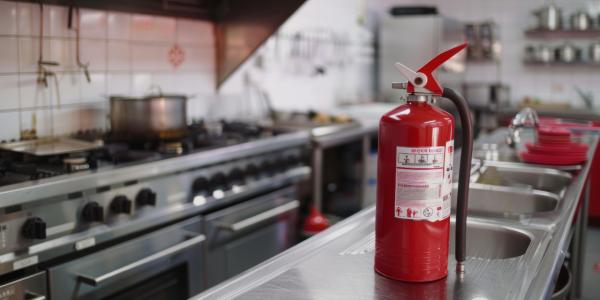
Commercial kitchens are among the highest-risk workplace environments for fire. Open flames, hot surfaces, cooking oils, electrical equipment, and fast-paced working conditions all increase the potential for fire incidents.
For restaurant owners, café operators, catering businesses, hotels, pubs, and food production facilities, effective fire safety management is essential to protect staff, customers, and property.
This guide explains the most common fire risks found in commercial kitchens and the practical steps businesses can take to reduce those risks.
Why Are Commercial Kitchens at Higher Risk of Fire?
Commercial kitchens combine several fire hazards in one environment, including:
- Cooking equipment operating at high temperatures
- Oils and fats that can ignite
- Electrical appliances and wiring
- Gas-powered equipment
- Combustible packaging and waste materials
Busy service periods can also increase the likelihood of mistakes, equipment misuse, or delayed responses to developing hazards.
What Are the Most Common Causes of Kitchen Fires?
Grease and Fat Build-Up
Grease accumulation is one of the most common causes of kitchen fires.
Over time, grease can build up on:
- Extraction canopies
- Filters
- Ducting systems
- Walls and cooking equipment
Once ignited, grease fires can spread rapidly through extraction systems.
How to Prevent It
- Implement a documented cleaning schedule
- Clean extraction systems regularly
- Remove grease deposits from cooking areas
- Ensure filters are maintained and replaced when necessary
Cooking Oil Fires
Deep fat fryers and cooking oils present a significant fire risk.
Overheated oil can ignite quickly and spread fire rapidly.
How to Prevent It
- Monitor oil temperatures carefully
- Never leave fryers unattended
- Maintain fryer thermostats
- Train staff on emergency procedures
- Keep fryer areas clean and free from excess grease
Electrical Equipment Failures
Faulty electrical equipment is a common cause of workplace fires.
Commercial kitchens often rely on:
- Ovens
- Microwaves
- Refrigeration units
- Dishwashers
- Portable appliances
Damaged cables, overloaded sockets, and poor maintenance can all increase fire risk.
How to Prevent It
- Carry out regular equipment inspections
- Remove damaged appliances from service
- Avoid overloading electrical outlets
- Ensure equipment is maintained according to manufacturer recommendations
Gas Appliance Risks
Many commercial kitchens use gas-powered cooking equipment.
Leaks, faulty connections, or poorly maintained appliances can create serious fire and explosion hazards.
How to Prevent It
- Arrange regular servicing
- Inspect connections and hoses
- Ensure good ventilation
- Train staff to recognise gas-related hazards
Poor Housekeeping and Waste Management
Clutter and combustible waste can contribute to fire spread.
Common issues include:
- Cardboard build-up
- Packaging materials
- Waste stored near heat sources
- Blocked access to equipment
How to Prevent It
- Remove waste regularly
- Store combustible materials safely
- Keep escape routes clear
- Maintain tidy storage areas
Blocked Fire Exits
Fire exits are essential for safe evacuation.
During inspections, blocked exits are among the most common fire safety concerns identified in workplaces.
How to Prevent It
- Keep exit routes clear at all times
- Avoid storing stock or equipment in escape routes
- Ensure emergency exits are clearly marked
- Carry out regular inspections
Fire Extinguishers and Fire Blankets
Commercial kitchens should have appropriate fire-fighting equipment available.
Depending on the risks present, this may include:
- Fire extinguishers
- Fire blankets
- Kitchen-specific extinguishing systems
Equipment should be:
- Easily accessible
- Clearly identified
- Serviced regularly
Staff should also know when it is safe to use fire-fighting equipment and when evacuation is the correct response.
Staff Fire Safety Awareness
Even the best equipment cannot compensate for poor awareness.
Staff should understand:
- Fire prevention measures
- Emergency procedures
- Alarm activation procedures
- Evacuation routes
- Assembly points
Fire safety instruction should form part of staff induction and ongoing workplace safety arrangements.
What Might Fire Inspectors Look For?
Inspectors may assess:
- Fire exits and escape routes
- Fire alarm systems
- Emergency lighting
- Fire extinguisher servicing records
- Housekeeping standards
- Staff awareness of emergency procedures
- Fire safety documentation
Poor maintenance and inadequate staff awareness are common compliance issues.
For an in-depth look at what Fire Inspectors look for when they visit workplaces, check out this blog.
Common Fire Safety Mistakes in Commercial Kitchens
Many businesses:
- Allow grease build-up to develop
- Neglect equipment maintenance
- Block fire exits with stock
- Fail to review emergency procedures
- Assume staff know what to do during a fire
These issues can significantly increase fire risk.
Why Fire Safety Matters
Effective fire safety management helps:
- Protect staff and customers
- Reduce business interruption
- Protect property and equipment
- Support legal compliance
- Improve emergency preparedness
For food businesses, preventing a fire can be just as important as managing food safety risks.
How SafeHands Can Help
SafeHands Health & Safety Solutions supports food businesses by:
- Delivering practical, onsite Fire Safety Training and Certification
- Providing Fire Warden/Fire Marshal Training and Certification
- Helping staff understand emergency procedures and evacuation plans
- Improving workplace readiness for fire inspections
- Building confidence in responding safely during a fire emergency
Effective fire safety instruction helps protect lives, reduce workplace risk, and ensure your business is better prepared for emergencies. Contact our team today to discuss your options.
Frequently Asked Questions
What is the most common cause of commercial kitchen fires?
Grease and fat build-up, particularly in extraction systems, is one of the most common causes.
Are fire extinguishers required in commercial kitchens?
Commercial kitchens typically require appropriate fire-fighting equipment suitable for the risks present.
How often should kitchen extraction systems be cleaned?
Cleaning frequency depends on usage levels, but regular cleaning is essential to reduce grease build-up and fire risk.
Do kitchen staff need fire safety training?
Staff should understand fire prevention measures, emergency procedures, evacuation arrangements, and the safe use of fire-fighting equipment where appropriate.