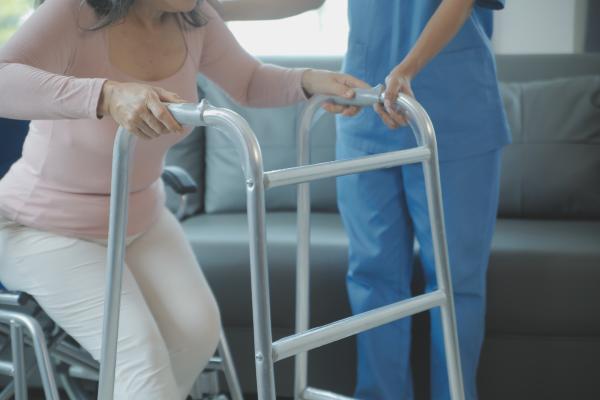
From the patient's perspective, being moved by someone who is uncertain, rushed, or using poor technique is frightening. From the healthcare worker's perspective, it is how careers end early. People and Patient Handling is a specialist skill – not a variation of standard manual handling – and it demands specialist training. SafeHands Health & Safety Solutions delivers this training onsite at healthcare facilities throughout Ireland, using your own equipment, in your own environment, for teams of up to ten.
Table of Contents
- Introduction to People and Patient Handling
- Understanding Patient Handling Risks
- Safe Handling Techniques
- Maintaining Patient Dignity
- Current Legislation and Best Practices
- Onsite Training Benefits
- Frequently Asked Questions
1. Introduction to People and Patient Handling
Handling a patient is nothing like handling an inanimate load. The person being moved can shift their weight unexpectedly, may resist or be unable to assist, and requires a level of care and dignity that shapes every aspect of technique. Generic manual handling training does not account for any of this – and the injury rates among healthcare workers are the evidence that under-preparation has real consequences.
i. Importance in Healthcare Settings
Manual handling injuries account for approximately 33% of all workplace injuries in Ireland, according to the Health and Safety Authority, and healthcare workers are consistently identified as among the highest-risk groups. Back injuries are the most common result, with consequences ranging from acute pain and absence to long-term, career-limiting musculoskeletal disorders. The physical demands of patient care – assisting with transfers, repositioning in bed, supporting mobility – are present in virtually every shift, making the quality of training a direct determinant of how well healthcare workers are protected throughout their careers.
ii. Differences from Manual Handling
Standard manual handling training addresses the safe movement of inanimate loads such as boxes, equipment, and materials. Patient handling is a specialist discipline that builds on these foundations while addressing the unique characteristics of the human body as a load. Patients have varying levels of mobility, may have medical conditions that affect how handling must be performed, and have emotional and psychological responses to being moved that must be considered alongside the physical technique. SafeHands' People and Patient Handling training covers all of these dimensions, integrating safe technique with patient dignity, effective communication, and the correct use of specialist handling aids.
2. Understanding Patient Handling Risks
Injury in patient handling follows predictable patterns. Understanding those patterns – what causes them, which roles carry the highest exposure, and which combinations of patient, environment, and task create the most risk – is not academic knowledge. It is the foundation for building practical habits that prevent the cumulative damage that ends careers early.
i. Common Injuries
Back injuries are the most prevalent consequence of improper patient handling, but they are far from the only risk. Shoulder and neck injuries are common among staff who assist with transfers without adequate preparation or equipment. Wrist and hand injuries can result from gripping patients or handling aids without correct technique. Many of these injuries develop cumulatively rather than through a single incident – repeated exposure to poor practice gradually breaks down the musculoskeletal system in ways that may not become symptomatic until significant damage has already occurred. Effective training reduces both the frequency and the severity of these outcomes.
ii. Risk Factors
A range of environmental, individual, and task-related factors influence the level of risk in any given patient handling situation. These include the patient's weight, mobility, and level of cooperation; the physical environment, including available space, floor surfaces, and bed height; the equipment available; the number of staff involved; and the physical condition of the handler. Training teaches participants to assess these factors systematically using the TILE+ methodology – Task, Individual, Load, Environment, plus Other factors – before undertaking any handling procedure.
3. Safe Handling Techniques
The practical component of the course is the largest part of the day and the part that matters most. Participants work through the full range of handling scenarios relevant to their setting – assessment, equipment selection and use, and manual technique – with repeated hands-on practice rather than single demonstrations. The aim is not exposure to the right methods but fluency in them.
i. Assessment of Patient Needs
Safe patient handling begins with a thorough assessment of the individual's needs, capabilities, and preferences. Understanding how much the patient can contribute to their own movement – and supporting that contribution rather than replacing it – both reduces handler risk and promotes patient independence and dignity. Assessment documentation, the creation of individualised handling plans, and the communication of those plans to colleagues are integral components of safe practice and are covered in detail throughout the course.
ii. Using Handling Equipment
The course provides comprehensive instruction in the selection and correct use of a wide range of patient handling aids. These include sliding sheets and roller sheets, transfer boards and turning discs, handling belts and walking belts, support wedges and positioning aids, hoists and slings, stand aid hoists, electric profiling beds, and standing and raising aids. Participants learn not only how to use this equipment correctly but how to decide which aid is appropriate for a given patient and situation – a judgment that requires training and cannot be developed from a product manual alone.
iii. Manual Handling Techniques
Where manual techniques are appropriate, the course covers safe body positioning and mechanics for handlers, efficient application of force and leverage, coordinated team handling, and how to avoid the awkward postures and twisting movements most commonly associated with musculoskeletal injury. Specific procedures are addressed for bed mobility, transfers between bed and chair or wheelchair and toilet, standing and walking assistance, stair assistance, and fall prevention strategies across a variety of clinical settings.
4. Maintaining Patient Dignity
Patient dignity is not a soft skill added to the end of a handling course – it is woven through every technique, because a patient who is frightened or resistant is physically harder to move safely and at greater risk of injury. How a handling procedure feels to the person being moved directly affects how safely it can be performed.
i. Respectful Handling
Patients who feel hurried, unsupported, or handled without sensitivity are more likely to become tense or resistant, which increases the physical challenge of the procedure and causes them distress. Training addresses how to approach each patient, how to position yourself and your colleagues before beginning, how to manage unexpected patient reactions calmly and respectfully, and how to maintain a person-centred focus even under time pressure. This dimension of training is what distinguishes patient handling from generic manual handling instruction.
ii. Communication with Patients
Effective communication before and during a handling procedure makes a measurable difference to both safety and patient experience. Participants learn how to explain what is about to happen, use clear and reassuring language, invite the patient's participation, and monitor their comfort and wellbeing throughout. This is particularly relevant when working with patients who have cognitive impairments, anxiety, or conditions affecting their ability to process verbal information – groups for whom skilled, attentive communication is itself a form of care.
5. Current Legislation and Best Practices
Healthcare employers operate within two overlapping compliance frameworks: the general workplace safety legislation that applies to all Irish employers, and the sector-specific standards – HIQA, HSE guidelines, professional regulatory requirements – that apply specifically to care settings. SafeHands training supports compliance with both, providing records of the individual competencies demonstrated during the course's continuous assessment process.
i. Health and Safety Requirements
The legislative framework for patient handling in Ireland includes the Safety, Health and Welfare at Work Act 2005 and the Safety, Health and Welfare at Work (General Application) Regulations 2007, which establish requirements for risk assessment, training, and the provision of appropriate mechanical aids. Employers in healthcare settings who fail to meet these requirements face enforcement action from the HSA and potential liability in the event of staff injury claims. The SafeHands course is designed to meet these legislative requirements in full.
ii. Healthcare Standards
Beyond the general legislative framework, healthcare facilities in Ireland are subject to sector-specific standards including HIQA National Standards for Residential Care Settings and HSE guidelines. Training from SafeHands supports compliance with these standards by providing records of staff competence in patient handling, including the specific competencies demonstrated during continuous assessment throughout the day-long practical session.
6. Onsite Training Benefits
SafeHands delivers People and Patient Handling training onsite at your healthcare facility, using your own equipment in your specific environment. Sessions accommodate up to 10 participants and run for approximately 4.5 to 5 hours, combining theory with extensive practical exercises. Certification is valid for two years. To enquire, contact SafeHands via the enquiry form at safehands.ie, call 01 7979836 or 087 3823223, or email info@safehands.ie. Full payment is required upfront via Stripe, bank transfer, or by phone. No staged payments or payment plans are available.
7. Frequently Asked Questions
What is People and Patient Handling training?
Specialist manual handling training for healthcare professionals covering safe techniques, risk assessment, equipment use, and patient dignity when assisting patients with limited mobility.
How does it differ from standard manual handling training?
It addresses the unique demands of the human body as a load – including unpredictability, dignity requirements, specialist aids, and the clinical communication skills that patient-facing work requires.
How do I enquire about onsite training?
Via the enquiry form at safehands.ie, by calling 01 7979836 or 087 3823223, or by emailing info@safehands.ie.
What payment methods are accepted?
Stripe, bank transfer, or by phone. Full payment is required upfront.
Is training delivered at our healthcare facility?
Yes. All training is delivered onsite at your facility using your own equipment and environment.