Fire safety inspections are carried out to ensure that workplaces are compliant with fire safety legislation and that people can evacuate safely in the event of a fire.
In Ireland, responsibility for fire safety rests with the person in control of the premises. Inspectors assess whether appropriate systems, procedures, and controls are in place to prevent fire and protect occupants.
This guide explains what fire inspectors look for during a workplace inspection, common compliance issues, and how to prepare your business.
What Do Fire Inspectors Check During an Inspection?
Fire inspectors assess whether a business has identified fire risks and put effective controls in place.
Inspections typically focus on:
- Fire risk assessment
- Means of escape
- Fire detection and alarm systems
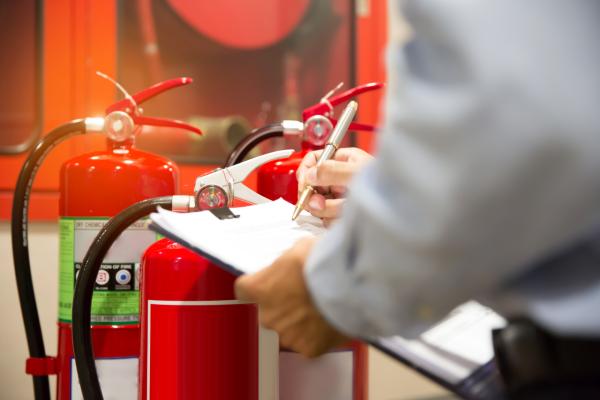
- Fire-fighting equipment
- Emergency lighting
- Staff awareness and procedures
1. Fire Risk Assessment
Inspectors will check that you have a documented fire risk assessment that is:
- Suitable for your premises
- Up to date
- Reviewed regularly
- Implemented in practice
The assessment should identify:
- Fire hazards (e.g. electrical equipment, cooking processes)
- People at risk
- Control measures in place
Common issues found:
- No fire risk assessment
- Generic templates not tailored to the business
- Assessments not reviewed after changes
2. Means of Escape (Fire Exits)
Safe evacuation is a key priority during inspections.
Inspectors will check:
- Fire exits are clearly marked
- Escape routes are kept clear at all times
- Doors open easily without obstruction
- Exit routes lead to a place of safety
Common issues found:
- Blocked or locked fire exits
- Poor signage
- Storage in escape routes
3. Fire Detection and Alarm Systems
Inspectors will assess whether your fire alarm system is:
- Suitable for the size and type of premises
- Regularly tested
- Properly maintained
You should be able to show:
- Weekly alarm test records
- Maintenance certificates
- Procedures for responding to alarms
4. Fire-Fighting Equipment
Fire extinguishers and other equipment must be:
- Appropriate for the risks present
- Easily accessible
- Serviced regularly
- Clearly labelled
Inspectors will check that staff know:
- Where extinguishers are located
- When (and when not) to use them
5. Emergency Lighting
Emergency lighting is essential if lighting fails during an evacuation.
Inspectors will check:
- Escape routes are adequately illuminated
- Emergency lighting is tested regularly
- Records of testing are maintained
6. Housekeeping and Fire Prevention
Good housekeeping plays a major role in fire safety.
Inspectors assess:
- Storage of combustible materials
- Waste management
- Build-up of grease or dust
- Electrical safety
Common issues found:
- Poor waste control
- Overloaded sockets
- Flammable materials stored incorrectly
7. Staff Training and Fire Procedures
Staff must be prepared to act in an emergency.
Inspectors will check:
- Fire procedures are in place
- Staff understand evacuation procedures
- Fire drills are carried out
- Fire wardens (if required) are appointed
8. Fire Doors and Compartmentation
Fire doors help contain fire and smoke.
Inspectors will check:
- Fire doors are not wedged open
- Doors close properly
- Seals and hinges are intact
Common issues found:
- Damaged fire doors
- Doors propped open
- Missing seals
What Happens After a Fire Inspection?
Following an inspection, you may receive:
- Verbal advice
- Written recommendations
- An enforcement notice
- In serious cases, closure or restriction of use
Failure to comply can lead to legal action and serious safety risks.
How to Prepare for a Fire Inspection
To stay compliant and inspection-ready:
- Keep your fire risk assessment up to date
- Test alarms and emergency lighting regularly
- Ensure escape routes are always clear
- Maintain fire safety equipment
- Train staff and carry out fire drills
- Keep clear records of all checks
How SafeHands Can Help
SafeHands Health & Safety Solutions supports businesses by:
- Reviewing fire safety procedures
- Identifying compliance gaps
- Preparing businesses for inspections
Proactive fire safety management protects lives, property, and your business. Contact the SafeHands team today to discuss your options.
Frequently Asked Questions
How often should fire alarms be tested?
Fire alarms should typically be tested weekly, with records kept.
Do all businesses need a fire risk assessment?
Yes. All workplaces are required to carry out a fire risk assessment.
Can a business be closed after a fire inspection?
Yes. If there is a serious risk to safety, enforcement action can be taken.
What is the most common reason businesses fail inspections?
Blocked fire exits, poor documentation, and lack of staff awareness are among the most common issues.