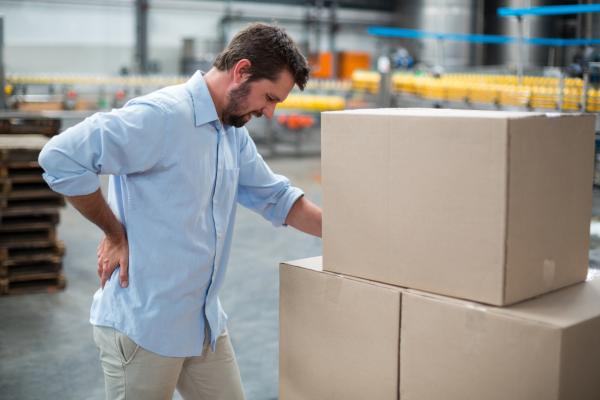
Manual handling injuries are among the most common causes of workplace absence across Ireland, affecting staff in every sector from warehousing and healthcare to retail and office environments. The consequences of improper lifting and carrying techniques can be severe, long-lasting, and entirely preventable with the right training.
SafeHands Health & Safety Solutions delivers comprehensive onsite Manual Handling Training directly at your workplace, equipping your team with the practical skills and knowledge to handle loads safely, comply with the Safety, Health and Welfare at Work (General Application) Regulations 2007, and contribute to a healthier, more productive working environment. Sessions are approximately three hours in duration, accommodate up to twelve participants, and certification is valid for three years.
Table of Contents
- Introduction to Manual Handling Training
- Understanding Manual Handling Risks
- Safe Manual Handling Techniques
- Risk Assessment and Prevention
- Use of Manual Handling Equipment
- Creating a Safe Handling Culture
- Frequently Asked Questions
- Contact SafeHands About Our Training
1. Introduction to Manual Handling Training
Investing in manual handling training is one of the most direct steps an employer in Ireland can take to protect their workforce and reduce the risk of costly, preventable injuries. SafeHands brings expert instruction directly to your premises, ensuring training is both compliant and immediately applicable to the real tasks your staff perform.
i. Importance of Proper Manual Handling
The consequences of poor manual handling techniques can be severe and long-lasting. Injuries to the back, shoulders, and joints can result in chronic pain, extended absence from work, and in serious cases, permanent disability. Investing in proper manual handling training is not merely a compliance exercise; it is a direct investment in the health and productivity of your team.
ii. Current Legislation in Ireland
Under the Safety, Health and Welfare at Work (General Application) Regulations 2007, all employers in Ireland are required to ensure that employees engaged in manual handling tasks receive appropriate training. Compliance with this regulation is not optional, and failure to provide training can expose businesses to legal liability and significant penalties.
2. Understanding Manual Handling Risks
Before effective training can be delivered, it is important to understand the specific risks associated with manual handling in the workplace. These risks vary depending on the nature of the work, the types of loads involved, and the working environment.
i. Musculoskeletal Injuries
The most common injuries arising from manual handling are musculoskeletal in nature, affecting the spine, muscles, tendons, and joints. The lumbar region of the back is particularly vulnerable when loads are lifted or carried incorrectly. Cumulative strain from repetitive handling tasks can be just as damaging as a single, acute injury.
ii. Common Workplace Hazards
Manual handling hazards include tasks that involve heavy or awkward loads, repetitive lifting, working in confined spaces or at height, and carrying items over long distances. The SafeHands course helps participants identify these hazards in their own working environment and apply risk-reduction strategies accordingly.
3. Safe Manual Handling Techniques
The core practical element of the SafeHands Manual Handling Training course is the instruction and practice of safe handling techniques. Participants receive clear, step-by-step guidance on the correct methods for a range of handling tasks.
i. Correct Lifting Methods
Participants learn how to assess a load before attempting to lift it, position their body correctly, and use the strength of their legs rather than their back to execute a safe lift. The importance of keeping the load close to the body and avoiding twisting movements is emphasised throughout.
ii. Carrying and Pushing
Safe carrying techniques include maintaining a neutral spine, distributing weight evenly, and avoiding overstretching. Pushing and pulling loads also carries risk, and participants learn how to use body weight effectively and how to avoid the sustained muscle strain associated with these tasks.
iii. Team Lifting Procedures
For loads that are too heavy or awkward for a single handler, team lifting procedures are covered. Clear communication, co-ordinated movement, and a shared understanding of the lifting plan are all essential elements of a safe team lift and are practised during the course.
4. Risk Assessment and Prevention
SafeHands Manual Handling Training incorporates a strong emphasis on risk assessment, helping participants develop the ability to evaluate handling tasks before carrying them out and to apply appropriate control measures.
i. Identifying Manual Handling Hazards
Participants are taught to assess loads for weight, size, shape, and stability, as well as to evaluate the working environment for hazards such as uneven surfaces, limited space, and poor lighting. This systematic approach to hazard identification is central to preventing injury before it occurs.
ii. Implementing Control Measures
Where hazards are identified, participants learn to apply control measures including the use of mechanical aids, adjusting the task or working environment, and requesting assistance. The course also covers the use of Personal Protective Equipment (PPE) where appropriate.
5. Use of Manual Handling Equipment
Mechanical aids can significantly reduce the risk of injury during manual handling tasks. The SafeHands course provides guidance on the selection and correct use of a range of handling aids commonly found in Irish workplaces.
i. Trolleys and Sack Trucks
Wheeled equipment such as trolleys and sack trucks can dramatically reduce the physical demands of moving heavy or bulky loads. Participants learn how to load, manoeuvre, and secure items on wheeled aids safely, and how to assess when manual transport is no longer appropriate.
ii. Proper Equipment Use
Using equipment incorrectly can introduce new hazards. The course addresses safe operating principles for handling aids, including the importance of pre-use checks, load limits, and maintaining equipment in good working order.

6. Creating a Safe Handling Culture
Manual Handling Training with SafeHands is approximately three hours in duration and accommodates up to twelve participants per session. Certification is valid for three years, after which a refresher course is recommended to maintain current best practice.
Businesses that invest consistently in manual handling training develop a culture of safety in which employees look out for one another, report hazards proactively, and apply safe techniques as a matter of routine.
7. Frequently Asked Questions
What is manual handling training in Ireland?
Manual handling training in Ireland equips employees with the knowledge and skills to lift, carry, push, and pull loads safely, in compliance with the Safety, Health and Welfare at Work (General Application) Regulations 2007.
Who needs manual handling training?
Any employee who lifts, carries, pushes, or pulls loads as part of their job requires manual handling training. This includes staff in warehousing, retail, healthcare, hospitality, construction, and office environments.
How can I enquire about manual handling training?
Complete the enquiry form on the SafeHands website or contact the team directly by phone or email. A member of the team will be in touch to arrange training at a time and location to suit your business.
What payment methods are available?
SafeHands accepts payment in full via Stripe, bank transfer, or by phone. Full payment is required upfront; no staged payments or payment plans are available.
Is training delivered at our workplace?
Yes. All SafeHands Manual Handling Training is delivered onsite at the client's premises or at a venue of the client's choosing. SafeHands does not operate its own training facilities.
8. Contact SafeHands About Our Training
Enquire about manual handling training in Ireland delivered directly at your workplace by SafeHands, and take a practical step toward protecting your team from preventable musculoskeletal injuries.
Learn more about onsite training that blends correct lifting techniques, risk assessment, and equipment use into a focused three-hour session tailored to your specific working environment.
Get in touch with SafeHands to ensure your team meets current health and safety requirements while developing safe, long-term handling habits.
Support a safer workplace with training that gives your staff the skills, knowledge, and confidence to handle loads correctly every day.