
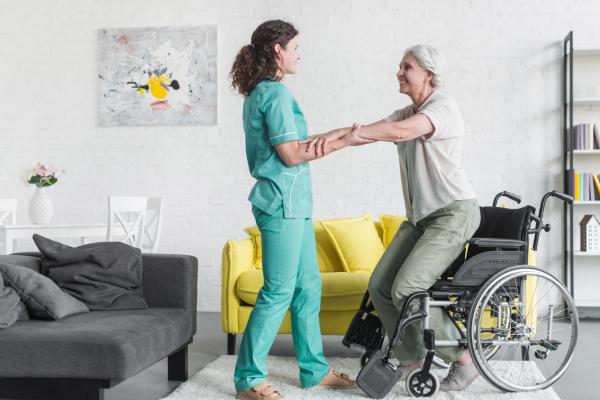
For healthcare professionals and carers across Ireland, patient handling certification is not simply a credential - it is a fundamental safeguard for both the people providing care and the people receiving it. Moving and positioning patients with limited mobility is one of the most physically demanding and risk-laden tasks in any healthcare setting, and doing it without formal, assessed training puts everyone involved at unnecessary risk.
SafeHands Health & Safety Solutions delivers expert People and Patient Handling training at your facility, led by QQI Level 6 qualified instructors, and resulting in a certification valid for two years that meets the compliance requirements of HIQA, the HSE, and other regulatory bodies across Ireland.
Table of Contents
- Introduction to Patient Handling Certification
- Certification Requirements
- Skills and Competencies
- Professional Benefits
- Maintaining Certification
- Quality Standards
- Frequently Asked Questions
- Enquire About SafeHands’ Patient Handling Training
1. Introduction to Patient Handling Certification
Patient handling certification demonstrates that a healthcare worker has been trained and assessed to a nationally recognised standard in the safe moving and positioning of patients. SafeHands provides this training in a full-day, hands-on format delivered entirely at your healthcare facility, ensuring relevance to your specific patient population and equipment.
i. Importance in Healthcare Sector
Manual handling injuries are the single largest cause of workplace accidents in Ireland, and healthcare workers are among the highest risk groups. Back injuries, musculoskeletal disorders, and soft tissue damage are common consequences of improper patient handling. Certification in patient handling demonstrates that a healthcare worker has been trained to a recognised standard and is equipped to carry out handling tasks safely.
ii. National Recognition Standards
SafeHands patient handling instructors hold QQI Level 6 qualifications in accordance with the National Framework of Qualifications. The certification awarded on completion of the course is valid for two years and meets the compliance requirements of HIQA and the HSE. All SafeHands certifications are documented with digital records maintained for easy verification.
2. Certification Requirements
Achieving patient handling certification requires successful completion of a structured, full-day training programme. The course combines theoretical learning with extensive hands-on practical exercises, ensuring participants demonstrate genuine competence before certification is awarded.
i. Training Course Completion
The SafeHands People and Patient Handling course is a half-day programme of approximately four-and-a-half to five hours. It is delivered onsite at your healthcare facility or workplace and accommodates up to ten participants per session. All participants must engage actively with both the theoretical and practical components throughout the day.
ii. Practical Assessment
Practical assessment is conducted on a continuous basis throughout the training day. Participants are observed and assessed on their ability to perform specific patient handling procedures correctly, including transfers, repositioning, and the use of handling aids. Skills evaluation focuses on safe body mechanics, co-ordination with colleagues, and communication with patients.
ii. Theoretical Examination
In addition to practical assessment, participants must demonstrate a sound understanding of the legislative framework governing patient handling, the principles of risk assessment, and the biomechanical basis for safe handling techniques. This theoretical understanding underpins the safe application of practical skills in real-world care situations.
3. Skills and Competencies
The SafeHands patient handling course develops a comprehensive range of skills and competencies that are directly applicable to everyday healthcare practice. The curriculum is designed around the actual handling tasks that healthcare workers perform in their roles.
i. Safe Handling Techniques
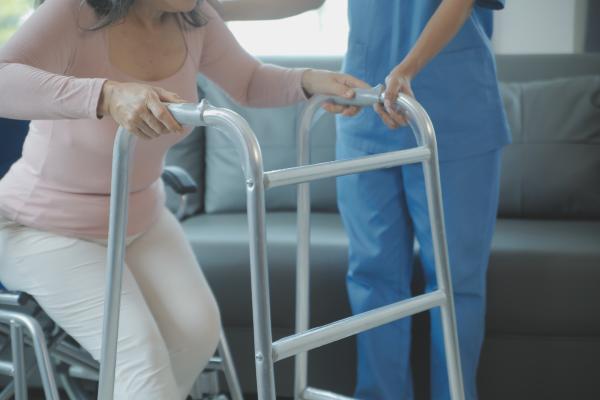
Participants learn correct body mechanics for a wide range of patient handling procedures, including repositioning patients in bed, assisting patients to sit or stand, performing chair and wheelchair transfers, and supporting patients during mobility activities. Techniques are taught with an emphasis on protecting both the handler and the patient throughout every movement.
ii. Risk Assessment Abilities
The course develops participants' ability to conduct patient handling risk assessments using the TILE+ methodology, considering the Task, Individual, Load, Environment, and other relevant factors. Participants learn to create individualised handling plans and document patient handling requirements appropriately.
iii. Equipment Proficiency
A significant proportion of the training is devoted to the selection and correct use of patient handling aids and equipment, including sliding sheets, transfer boards, handling belts, hoists, and slings. Knowing when and how to use equipment is as important as knowing the manual techniques, and both are assessed as part of the certification process.
4. Professional Benefits
Patient handling certification with SafeHands offers direct professional benefits for healthcare workers at all stages of their careers, from newly qualified care assistants to experienced nursing staff seeking formal recertification.
i. Healthcare Employment Requirements
Many healthcare employers in Ireland require staff to hold a current patient handling certificate as a condition of employment. Certification demonstrates that an individual has been trained to a nationally recognised standard and can carry out handling tasks safely without supervision. It is an essential credential for roles in nursing homes, hospitals, community care, and rehabilitation settings.
ii. Career Development Opportunities
Beyond basic compliance, patient handling certification contributes to professional development and can open doors to more senior roles in healthcare. Staff who are certified, confident, and competent in-patient handling are valued assets in any care organisation and are well positioned for career progression.
5. Maintaining Certification
Patient handling certification does not have an indefinite lifespan. It is the responsibility of each certified professional to ensure that their qualification remains current and valid.
i. Certificate Validity Period
Patient handling certification awarded by SafeHands is valid for two years in accordance with industry standards. SafeHands maintains digital certification records, making it straightforward to verify certification status and plan ahead for renewal.
ii. Continuing Professional Development
SafeHands recommends that organisations implement annual competency checks in addition to formal recertification every three years, particularly when new equipment is introduced or when staff encounter new handling challenges. Refresher training is available through SafeHands and can be arranged as required.
6. Quality Standards
SafeHands is committed to delivering patient handling training of the highest quality, aligned with current best practice and all applicable regulatory requirements. Instructor qualifications are available on request, and training can be fully customised to reflect the specific patient population, equipment, and environmental challenges of your healthcare setting.
7. Frequently Asked Questions
What is patient handling certification in Ireland?
Patient handling certification is a formal qualification demonstrating that a healthcare worker has been trained in the safe moving and positioning of patients. It is required for compliance with health and safety legislation and recognised by regulatory bodies including HIQA and the HSE.
How long is the certification valid?
Patient handling certification awarded by SafeHands is valid for two years. Refresher training is available to support recertification before expiry.
How can I enquire about certification training?
Submit an enquiry via the SafeHands website or contact the team by phone or email. Training is arranged based on your requirements and trainer availability.
What payment methods are available?
Payment is accepted in full via Stripe, bank transfer, or by phone. Full payment is required upfront; no staged payments or payment plans are available.
Is training delivered at our healthcare facility?
Yes. All SafeHands patient handling training is delivered onsite at your facility or at a venue you provide, using your own equipment where possible to ensure maximum relevance.
8. Enquire About SafeHands’ Patient Handling Training
Enquire about patient handling training and certification in Ireland and ensure your healthcare team is trained, assessed, and qualified to move and position patients safely in full compliance with current legislation.
Request information about onsite patient handling certification training delivered at your healthcare facility by QQI Level 6 qualified instructors from SafeHands.
Contact SafeHands for patient handling certification in Ireland that protects your staff from injury, improves the quality of care for patients, and demonstrates compliance with HIQA and HSE requirements.
Invest in patient handling certification for your healthcare team in Ireland and build a safer, more confident care environment where every staff member has the skills to handle patients with both safety and dignity.