
Working in pubs and bars involves constant physical demands that many people don't immediately recognise as manual handling risks. From lifting kegs and moving crates to clearing glasses and rearranging furniture, bar staff face daily tasks that can lead to serious musculoskeletal injuries without proper training and techniques. SafeHands Health & Safety Solutions delivers specialised manual handling training designed specifically for the hospitality sector across Ireland, helping pub and bar owners meet insurance requirements while genuinely protecting their teams.
Table of Contents
- Introduction to Manual Handling in Pubs and Bars
- Manual Handling Risks in Pubs and Bars
- Safe Handling Techniques for Bar Staff
- Equipment and Aids
- Preventing Common Injuries
- Insurance Compliance Requirements
- Frequently Asked Questions
1. Introduction to Manual Handling in Pubs and Bars
The fast-paced environment of pubs and bars creates unique manual handling challenges. Staff work quickly during busy periods, often in confined spaces with limited time to consider proper lifting techniques. Repetitive tasks, awkward postures, and the weight of typical hospitality loads combine to create significant injury risks.
i. Unique Challenges in the Hospitality Sector
Pubs and bars present distinct manual handling challenges compared to other workplaces. Staff work irregular hours, including late nights and weekends, when fatigue can affect safe handling practices. The environment includes wet floors, cramped storage areas, and frequent obstacles that complicate safe lifting and carrying. Service demands create time pressures that can tempt staff to take shortcuts. Understanding these sector-specific challenges allows training to address real situations staff encounter daily.
ii. Common Manual Handling Tasks
Typical manual handling tasks in pubs and bars include changing kegs and gas cylinders in cellars, lifting and stacking crates of bottles and cans, moving beer barrels and wine boxes, clearing and carrying laden trays, restocking fridges and bars, moving furniture for functions and cleaning, emptying glass bins and waste, and receiving and storing deliveries. Each task presents specific risks requiring appropriate techniques and, where possible, mechanical aids to reduce manual handling demands.
2. Manual Handling Risks in Pubs and Bars
Understanding the specific risks helps both management and staff appreciate why proper manual handling techniques matter. Injuries don't just affect individuals; they impact operations, team morale, and business viability.
i. Cellar Operations
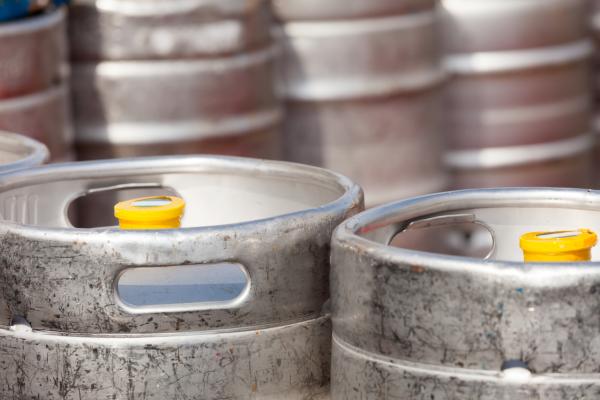
Cellars present some of the highest manual handling risks in pubs and bars. Changing kegs involves handling loads exceeding 50 kilograms in confined spaces, often requiring awkward bending and reaching. Staff may need to negotiate steep stairs while carrying heavy items. Poor lighting and cluttered spaces compound risks. Gas cylinder changes require careful handling of pressurised containers. Proper techniques, team lifting where appropriate, and mechanical aids such as trolleys or sack barrows significantly reduce these risks.
ii. Bar and Glass Handling
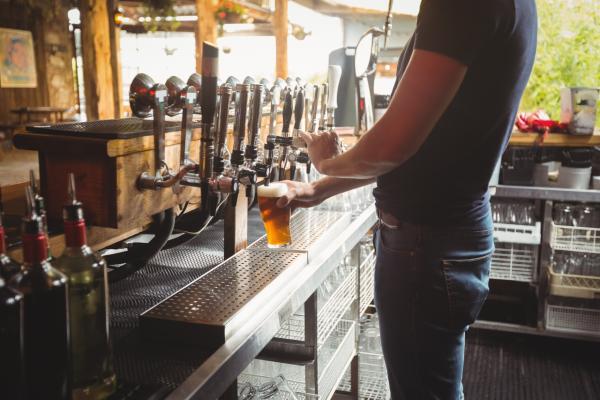
Bar work involves constant repetitive manual handling. Staff collect, wash, and replace glasses throughout shifts, with each tray potentially weighing several kilograms. Reaching into commercial glasswashers requires bending and stretching. Restocking shelves, particularly high shelving, involves awkward postures and overhead reaching. Breaking down bottle and can deliveries requires sustained handling of moderate loads. The cumulative effect of these repetitive tasks causes gradual strain that can develop into chronic injuries.
iii. Stock Handling and Storage
Receiving deliveries requires unloading vehicles, checking stock, and moving items to appropriate storage locations. Crates of bottles, kegs, and wine boxes all present significant manual handling demands. Storage areas in pubs and bars are often small, requiring staff to move items multiple times or store them in less than ideal locations. Rotating stock to ensure older items are used first adds further handling. Poor storage organisation increases manual handling demands unnecessarily, while well-designed systems reduce both risks and time spent on stock management.
iv. Furniture Movement and Setup
Many pubs and bars regularly reconfigure spaces for different functions, entertainment, or cleaning. Moving tables, chairs, bar stools, and barriers involves significant manual handling. Teams often rush these tasks to prepare venues quickly. Furniture may be awkward to grip, creating risks of trapping fingers or dropping items. The combination of time pressure and physical demands makes proper training essential for these common activities.
3. Safe Handling Techniques for Bar Staff
Proper manual handling techniques protect staff from injury while enabling them to work efficiently. Training must move beyond generic advice to address the actual tasks staff perform.
i. Lifting Kegs and Heavy Items
Lifting kegs and similar heavy items requires careful technique. Staff should position themselves close to the load with feet shoulder-width apart for stability. Bending the knees and hips rather than the back maintains proper spinal alignment. Gripping the keg firmly and keeping it close to the body during the lift distributes weight effectively. The lift should come from the legs, keeping the back straight throughout. Setting kegs down uses the same principles in reverse. Where kegs must be moved any distance, trolleys or barrows eliminate manual carrying entirely.
ii. Pushing Trolleys and Moving Stock
Pushing is preferable to pulling when moving loaded trolleys or equipment. Staff should position themselves to use body weight effectively, keeping the back straight and using leg power. Trolleys should be properly maintained with wheels that move freely. Loading trolleys with heavier items lower down improves stability. Planning routes to avoid obstacles, steps, and tight corners reduces effort and risk. The trolley should never be overloaded beyond its safe capacity or stacked in ways that obstruct vision.
iii. Repetitive Tasks and Tray Carrying
Carrying trays loaded with glasses requires attention to balance and posture. Trays should never be overloaded to the point where control becomes difficult. Holding trays at waist height rather than on raised hands reduces shoulder strain. Staff should vary tasks throughout shifts to avoid prolonged repetitive movements. Regular breaks, even brief ones, allow recovery from repetitive activities. Where possible, using trolleys for clearing large numbers of glasses eliminates the need to carry heavy trays repeatedly.
4. Equipment and Aids
Mechanical aids significantly reduce manual handling risks in hospitality settings. Investing in appropriate equipment protects staff while improving efficiency.
i. Trolleys and Moving Equipment
Various trolley types suit different hospitality tasks. Flat-bed trolleys move stock from deliveries to storage. Barrel cradles or keg trolleys specifically transport kegs safely. Glass collection trolleys reduce carrying. All equipment must be appropriate for the loads and terrain involved. Wheels should suit the floor surfaces in your premises. Regular maintenance ensures equipment remains safe and easy to use. Providing sufficient equipment means staff always have access when needed rather than resorting to manual carrying.
ii. Cellar Equipment
Cellar operations benefit enormously from appropriate equipment. Keg lifters and tilters eliminate the need to manually manipulate heavy kegs. Sack barrows designed for cellar stairs make moving stock up and down much safer. Proper lighting allows staff to see what they're doing clearly. Well-organised storage with designated locations for different products reduces unnecessary handling. The initial investment in cellar equipment quickly pays for itself through reduced injuries and improved efficiency.
iii. Proper Equipment Use
Equipment only reduces risks if staff use it correctly. Training should include demonstrations and practice using the specific equipment in your premises. Staff need to understand weight limits and appropriate uses for each piece of equipment. They should know how to inspect equipment for damage or defects and report issues promptly. Making equipment use the normal, expected practice rather than an optional extra ensures consistent risk reduction.
5. Preventing Common Injuries
Understanding common manual handling injuries in hospitality helps target prevention efforts effectively. These injuries affect real people and create genuine hardship, making prevention both a legal and moral priority.
i. Back Injuries
Lower back injuries represent the most common manual handling problem in pubs and bars. These injuries result from lifting heavy items with poor technique, bending and twisting while handling loads, sustained bending during bar work, and the cumulative effect of repetitive handling. Back injuries cause severe pain, extended absence from work, and potential long-term disability. Many people never fully recover from serious back injuries. Proper training in lifting techniques, provision of mechanical aids, and workplace design that minimises awkward postures all contribute to prevention.
ii. Shoulder and Arm Strain
Shoulder problems develop from overhead reaching to high shelves, carrying heavy trays with outstretched arms, repetitive lifting, and sustained awkward postures during cellar work. Injuries may develop gradually rather than occurring from a single incident. Staff may not initially recognise developing problems until pain becomes significant. Encouraging staff to report discomfort early, providing step stools to eliminate overhead reaching, and ensuring regular rotation of tasks helps prevent shoulder and arm injuries from developing into chronic conditions.
6. Insurance Compliance Requirements
Many insurance companies now require documented manual handling training as a condition of hospitality sector policies, and for good reason. Manual handling injuries represent a major source of claims, affecting insurers' risk calculations and premium costs.
Insurance providers increasingly scrutinise workplace safety practices when underwriting policies and assessing claims. Pubs and bars without proper manual handling training may face higher premiums, policy exclusions, or even difficulty obtaining coverage. Following a manual handling injury, insurers will examine whether staff received adequate training and whether the employer took reasonable steps to prevent the incident. Documented training provides evidence of your commitment to staff safety and demonstrates reasonable precautions.
Beyond insurance requirements, current legislation in Ireland places clear responsibilities on employers regarding manual handling. Employers must avoid hazardous manual handling where reasonably practicable, assess risks where avoidance isn't possible, and reduce risks to the lowest level reasonably achievable. Providing appropriate training represents a fundamental control measure. Failure to train staff can result in enforcement action by the Health and Safety Authority, legal liabilities following injuries, and reputational damage that affects staff recruitment and retention.
Proper manual handling training benefits everyone involved. Staff gain skills that protect them from painful, disabling injuries. Employers reduce absence, maintain productivity, and demonstrate genuine care for their teams. Insurance companies see reduced claims. Customers benefit from consistent service without disruption from staff injuries. The modest investment in training delivers substantial returns across multiple dimensions.
7. Frequently Asked Questions
What is manual handling training for pubs and bars?
Manual handling training for pubs and bars is specialised instruction covering safe techniques for the specific physical tasks bar staff perform daily. This includes lifting kegs, moving stock, carrying trays, cellar work, and furniture movement. SafeHands delivers practical training across Ireland tailored to the real challenges pub and bar staff face.
Why do insurance firms require manual handling training?
Insurance companies require manual handling training because it significantly reduces injury claims, which represent a major cost in the hospitality sector. Documented training demonstrates that employers take reasonable precautions to protect staff, which affects premium calculations and policy terms. Following any injury, insurers examine whether proper training was provided.
How can I enquire about manual handling training for my pub or bar?
Submit an enquiry through the SafeHands website enquiry form with details about your premises and staff numbers. The team will discuss your specific requirements and arrange suitable training dates based on trainer and schedule availability. Training is delivered onsite at your pub or bar.
What payment methods are available?
SafeHands accepts payment upfront in full via Stripe, bank transfer using invoice details provided, or by phone. There are no deposits or payment plans; the complete amount is paid at once. Corporate invoicing for business clients is not offered.
Is training delivered at our premises?
Yes, all manual handling training is delivered onsite at your pub, bar, or a venue you provide. This ensures staff train in familiar surroundings with the actual equipment and spaces they use daily, making the training immediately practical and relevant.
Enquire about manual handling training for pubs and bars delivered at your venue. SafeHands provides comprehensive training across Ireland that meets insurance requirements while genuinely protecting your team.
Request information about insurance-compliant manual handling training designed specifically for the hospitality sector.
Get your bar team trained in manual handling onsite by QQI-qualified instructors whose credentials are available on request.
Contact SafeHands for manual handling training that meets insurance requirements and satisfies current legislation in Ireland.
Reduce workplace injuries and protect your team with specialised manual handling training for pubs and bars across Ireland.