Every workplace in Ireland has legal obligations to assess risks and document safety management arrangements through a Safety Statement. These aren't mere bureaucratic exercises but practical tools that prevent injuries, protect employees, and demonstrate genuine commitment to workplace safety. SafeHands Health & Safety Solutions provides comprehensive risk assessment and safety statement services delivered entirely onsite, ensuring your organisation meets current legislation while creating genuinely safer working environments across Ireland.
Table of Contents
- Introduction to Combined Services
- Comprehensive Risk Assessment
- Safety Statement Development
- Onsite Service Delivery
- Implementation Support
- Ongoing Review Services
- Frequently Asked Questions
1. Introduction to Combined Services
Workplace risk assessments and safety statements are intrinsically linked elements of effective safety management. Combining these services provides integrated solutions that address both identification of hazards and documentation of control measures.
ii. Integrated Safety Approach
Risk assessments identify workplace hazards and evaluate associated risks, forming the foundation for safety management. Safety statements document your organisation's safety arrangements, including how identified risks are controlled. When delivered together, these services provide complete, coherent safety documentation. SafeHands assesses your workplace systematically, identifies hazards and risks, develops appropriate control measures, and creates your safety statement based directly on the assessment findings. This integrated approach ensures consistency between what's assessed and what's documented.
ii. Benefits of Combined Assessment
Organisations benefit significantly from combined risk assessment and safety statement services. A single onsite visit from SafeHands experts covers both requirements, minimising disruption to operations. The safety statement reflects actual workplace conditions because it's based on thorough assessment. Control measures recommended during risk assessment are properly documented and communicated through the safety statement. Staff consultation occurs once, covering both assessment and statement development. The result is genuinely useful documentation that supports practical safety improvements rather than generic paperwork that gathers dust.
2. Comprehensive Risk Assessment
Effective risk assessment requires systematic examination of all workplace activities, environments, and equipment. SafeHands brings extensive experience across multiple sectors throughout Ireland to identify hazards that organisations might overlook.
i. Workplace Inspection
Risk assessment begins with thorough workplace inspection. SafeHands assessors visit your premises to observe operations, examine equipment and facilities, review work processes, and talk with employees about their tasks and concerns. This direct observation identifies hazards that may not be obvious from documentation alone. Assessors examine all areas including production spaces, storage locations, welfare facilities, access routes, and any areas where employees or visitors might be present.
ii. Hazard Identification
Hazards take many forms depending on your sector and operations. Physical hazards include slips, trips and falls, manual handling demands, work at height, moving vehicles and machinery, noise and vibration, and temperature extremes. Chemical hazards involve exposure to cleaning products, solvents, or process chemicals. Biological hazards affect healthcare and food businesses. Ergonomic hazards relate to workstation design and repetitive tasks. Psychosocial hazards including stress and violence are also considered. Comprehensive identification requires knowledge of both common hazards and sector-specific risks.
iii. Risk Evaluation
Identifying hazards is only the first step. Risk evaluation examines who might be harmed and how, the severity of potential harm, and the likelihood of harm occurring under current controls. This analysis considers existing control measures already in place and their effectiveness. Different groups may face different risks – new employees, young workers, pregnant staff, contractors, and visitors all require consideration. Risk evaluation determines priorities, focusing attention on the most significant risks requiring immediate action.
iv. Control Recommendations
For each significant risk identified, SafeHands recommends appropriate control measures following the hierarchy of controls. Elimination removes the hazard entirely. Substitution replaces hazardous materials or processes with safer alternatives. Engineering controls such as guards, ventilation, or equipment modifications reduce risks. Administrative controls including procedures, supervision, and training support safe practices. Personal protective equipment provides a last line of defence where other controls aren't sufficient. Recommendations are practical and proportionate, recognising business constraints while ensuring effective risk reduction.
3. Safety Statement Development
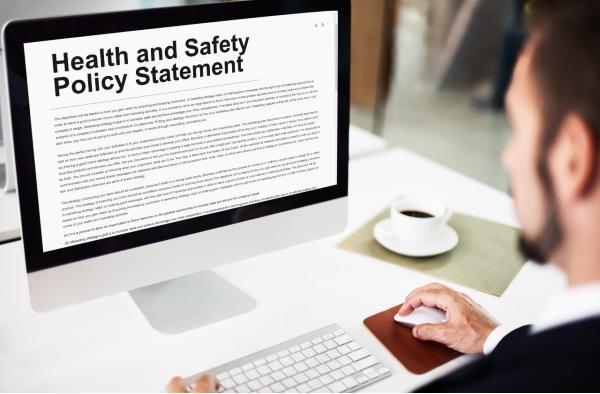
Safety statements are legal requirements under the Safety, Health and Welfare at Work Act 2005. They must be written, accessible, and specific to your organisation. SafeHands creates safety statements that satisfy legal requirements while genuinely supporting safety management.
i. Professional Documentation
SafeHands produces clear, professional safety statements tailored to your organisation. The statement identifies your business and operations, documents hazards and risks identified during assessment, specifies control measures for each risk, assigns responsibilities for implementing and monitoring controls, outlines emergency procedures, and describes consultation arrangements. The document uses clear language appropriate to your workforce, avoiding unnecessary jargon while maintaining technical accuracy where required. Visual aids including diagrams, photographs, or flowcharts enhance understanding.
ii. Regulatory Compliance
Safety statements must meet specific legal requirements. They must be in writing, brought to the attention of all employees, reviewed and updated when circumstances change significantly, and made available for inspection by enforcement authorities. SafeHands ensures your safety statement satisfies all current legislation requirements. The statement demonstrates your commitment to employee safety and provides evidence of systematic risk management should any incidents occur or inspectors visit your premises.
iii. Employee Consultation
Current legislation requires meaningful employee consultation in developing safety statements. SafeHands facilitates this consultation during the onsite service delivery. Employees possess practical knowledge of workplace challenges and can identify hazards or suggest improvements that might not be obvious to external observers. Involving employees in the process increases awareness, encourages ownership of safety procedures, and improves the practical relevance of the final documentation. Consultation demonstrates respect for employees' experience and judgment while strengthening your safety culture.
4. Onsite Service Delivery
SafeHands delivers all risk assessment and safety statement services onsite at your premises across Ireland. This approach ensures services reflect actual workplace conditions rather than theoretical assumptions.
i. Site Visits
Comprehensive site visits allow SafeHands experts to observe your operations directly. Assessors spend sufficient time to understand your processes, examine all relevant areas, speak with employees at various levels, and gather the information needed for thorough assessment and documentation. The duration of site visits depends on workplace size and complexity, ranging from single short visits for small premises to extended assessments for larger or more complex operations. All visits are scheduled to minimise disruption to normal business activities.
ii. Stakeholder Engagement
Effective service delivery requires engagement with multiple stakeholders. SafeHands works with senior management to understand business priorities and constraints, supervisors and managers to discuss operational challenges, employees to gather practical insights, and safety representatives where appointed. This engagement ensures the final documentation reflects multiple perspectives and remains practical for implementation. Open communication throughout the process addresses concerns and ensures everyone understands the outcomes.
iii. Professional Reports
Following site visits and consultations, SafeHands provides professional reports documenting findings and recommendations. Risk assessment reports detail hazards identified, risk evaluations, and recommended control measures with priorities indicated. Safety statements provide comprehensive documentation meeting all legal requirements. Reports are delivered in accessible formats, with both printed copies and digital versions available. Clear presentation ensures the documents serve as practical working tools rather than incomprehensible technical paperwork.

5. Implementation Support
Creating documentation represents only the beginning. SafeHands supports organisations in implementing recommendations and embedding safety management into daily operations.
i. Communication Strategies
Safety statements must be effectively communicated to all employees. SafeHands advises on appropriate communication methods for your organisation, which might include induction training for new employees, team meetings to discuss relevant sections, notice boards displaying key information, accessible document locations, and simplified versions or summaries for specific areas. The goal is ensuring everyone understands hazards they might encounter and controls they must follow. Communication should be ongoing rather than a one-time event.
ii. Training Recommendations
Risk assessments often identify training needs. Employees may require instruction in specific safe working procedures, equipment operation, emergency response, or other competencies. SafeHands can recommend appropriate training to address identified needs and deliver many required courses onsite at your premises. Training transforms safety statements from documents into practical capabilities, giving employees the knowledge and skills needed to work safely.
6. Ongoing Review Services
Workplace risks and safety arrangements require regular review to remain effective. SafeHands provides ongoing review services to support continuous safety improvement across Ireland.
Risk assessments should be reviewed when significant changes occur, including new processes or equipment, changes in legislation, following accidents or near-misses, when employees identify new concerns, or at minimum every two years regardless. SafeHands can conduct periodic reviews, updating your risk assessments and safety statement to reflect current conditions. This ongoing relationship ensures your safety documentation remains current and continues meeting legal requirements. Regular reviews demonstrate continued commitment to safety management and help prevent documentation from becoming outdated and irrelevant.
7. Frequently Asked Questions
What are workplace risk assessment and safety statement services?
Workplace risk assessment and safety statement services involve professional examination of your workplace to identify hazards, evaluate risks, recommend controls, and create the legally required safety statement documentation. SafeHands delivers these services onsite throughout Ireland, providing complete solutions that meet current legislation requirements.
How do combined services benefit my business?
Combined services provide integrated safety management where the safety statement directly reflects findings from comprehensive risk assessment. Single site visits minimise disruption. Documentation is consistent and practical. Employees are consulted once for both purposes. The result is genuinely useful safety management documentation rather than disconnected paperwork.
How can I enquire about these services?
Complete the enquiry form on the SafeHands website with details about your organisation and premises. The team will discuss your specific requirements, facility size, and sector. Site visits and service delivery will be arranged based on availability and your operational needs.
What payment methods are available?
SafeHands requires payment upfront in full. Payment options include Stripe, bank transfer using invoice details provided by email, or payment by phone. There are no deposits or payment plans available; the complete service fee is paid at once.
Are all services conducted at our premises?
Yes, all risk assessment and safety statement services are delivered onsite at your business premises or a location you provide. This ensures assessments reflect actual workplace conditions and the resulting documentation is specific to your operations rather than generic templates.
Enquire about workplace risk assessment and safety statement services delivered onsite throughout Ireland by SafeHands experts with extensive cross-sector experience.
Request information about integrated workplace safety services that combine comprehensive risk assessment with professional safety statement development.
Get professional risk assessments and safety statements onsite from experienced consultants who understand the practical challenges businesses face.
Contact SafeHands for complete workplace safety services across Ireland that meet current legislation requirements while creating genuinely safer working environments.
Ensure compliance with combined onsite services that deliver practical safety improvements alongside essential documentation for organisations throughout Ireland.