
Childcare settings across Ireland have a critical responsibility to protect the health and wellbeing of the children in their care. Food safety represents one of the most important aspects of this duty, with current legislation requiring childcare providers to implement effective food safety management systems. SafeHands Health & Safety Solutions has been supporting childcare organisations throughout Ireland since 2013, delivering practical, simplified Food Safety/HACCP training designed specifically for creches, preschools, and early years settings.
Table of Contents
- Introduction to Food Safety/HACCP in Childcare
- Understanding Hazards in Childcare Food Service
- Implementing HACCP in Creches
- Allergen Management Systems
- Staff Training and Awareness
- Frequently Asked Questions
1. Introduction to Food Safety/HACCP in Childcare
HACCP stands for Hazard Analysis and Critical Control Points, a systematic approach to identifying and managing food safety risks. For childcare settings, implementing HACCP doesn't need to be overwhelming or excessively complex. The key is developing systems that are proportionate to the scale and nature of food operations while ensuring full compliance with current legislation.
i. Why HACCP Matters in Creches
Children are particularly vulnerable to foodborne illness due to their developing immune systems. Environmental Health Officers, authorised under the Childcare Act 1991, regularly inspect childcare facilities to ensure compliance with food safety standards. A proper HACCP system protects children from harm, demonstrates your commitment to safety, and ensures your setting meets regulatory requirements. The Food Safety Authority of Ireland mandates that all food handlers must understand and apply HACCP principles in their daily work.
ii. Simplified Approach for Small Settings
Childcare settings don't require the same complex HACCP systems as large-scale food production facilities. SafeHands specialises in developing simplified, practical HACCP systems tailored to the realities of creches and preschools. These systems focus on the actual food preparation activities in your setting, from preparing bottles and snacks to serving lunches, without unnecessary bureaucracy. The goal is creating manageable procedures that staff can confidently follow every day.
2. Understanding Hazards in Childcare Food Service
Effective food safety begins with understanding the specific hazards present in childcare food preparation. These hazards fall into several categories, each requiring appropriate control measures to keep children safe.
i. Biological Hazards
Biological hazards include bacteria, viruses, and parasites that can contaminate food and cause illness. Young children are especially susceptible to infections like E. coli, Salmonella, and Norovirus. These pathogens can spread through contaminated food, unwashed hands, or contact with contaminated surfaces. Understanding how biological hazards enter the food chain helps childcare staff prevent contamination through proper hygiene practices, adequate cooking, and safe storage temperatures.
ii. Allergen Risks
Food allergies affect a significant number of children and can trigger severe, life-threatening reactions. Common allergens in childcare settings include milk, eggs, nuts, wheat, soy, fish, and shellfish. Managing allergen risks requires meticulous attention to ingredients, preventing cross-contamination between allergen-containing and allergen-free foods, and maintaining clear communication with parents and carers. Every member of staff must understand which children have allergies and what procedures to follow.
iii. Choking Hazards
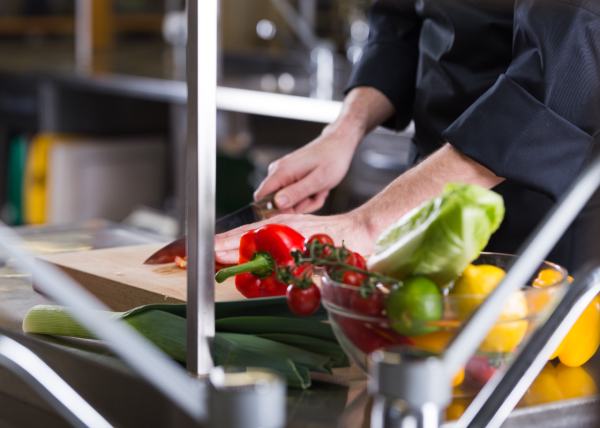
Choking represents a physical hazard particularly relevant to childcare food service. Young children are still developing their chewing and swallowing abilities, making certain foods dangerous. Hard, round, or sticky foods pose particular risks. Staff must understand age-appropriate food preparation, including cutting grapes and cherry tomatoes, avoiding whole nuts for young children, and ensuring proper supervision during mealtimes. These considerations form an essential part of a comprehensive HACCP approach in childcare.
3. Implementing HACCP in Creches
Implementing HACCP in a childcare setting involves creating practical systems that fit within daily routines. SafeHands works with childcare providers across Ireland to develop HACCP plans that staff can realistically maintain.
i. Simple HACCP Plans
A childcare HACCP plan should document your food operations, identify hazards at each stage, and specify control measures. This includes receiving deliveries, storing food correctly, preparing meals and snacks, and serving food to children. The plan should be written in clear language that all staff can understand, avoiding unnecessary jargon. Visual aids such as photographs, flowcharts, and simple checklists help staff follow procedures correctly without confusion.
ii. Daily Procedures
Daily food safety procedures in childcare settings include checking food deliveries for damage and correct temperatures, storing items promptly in appropriate locations, maintaining clean preparation surfaces, washing hands properly before handling food, and following safe preparation methods. These procedures become routine with proper training and clear documentation. Staff should understand not just what to do, but why each step matters for children's safety.
iii. Temperature Monitoring
Temperature control is critical for preventing bacterial growth. Refrigerators should maintain temperatures below 5°C, and freezers below -18°C. Hot food served to children must be heated to at least 75°C. Regular temperature checks, recorded on simple charts, provide evidence of proper control. Staff need thermometers readily available and must know how to use them correctly. Temperature monitoring shouldn't feel burdensome but should become a quick, routine check integrated into daily operations.#
4. Allergen Management Systems
Managing food allergies requires systematic procedures that protect children from potentially life-threatening reactions. Childcare settings must treat allergen management with the utmost seriousness.
i. Identifying Allergens
Accurate allergen information begins with thorough communication with parents and guardians. Admission forms should capture complete details of any allergies, including specific allergens, severity of reactions, and emergency procedures. This information must be kept current and readily accessible to all staff. When purchasing food products, staff must carefully read ingredient labels, understanding that allergens can appear under various name. Maintaining a detailed ingredient file for all foods used in your setting supports safe meal planning.
ii. Prevention Measures
Preventing allergic reactions requires eliminating cross-contamination between allergen-containing and allergen-free foods. This involves using separate preparation areas and equipment for allergen-free meals, thoroughly cleaning surfaces and utensils between uses, storing allergen-containing foods separately with clear labelling, and training all staff in allergen awareness. Visual reminders, such as photographs of children with allergies displayed in the kitchen, help staff remain vigilant.
iii. Communication Protocols
Effective allergen management depends on clear communication. Staff must know which children have allergies before every meal or snack time. Information should be communicated verbally and reinforced with visual aids. Parents need regular updates about menu plans, allowing them to raise any concerns. Clear procedures should exist for communicating allergen information when children move between rooms or during staff changeovers. Emergency response procedures, including when to administer medication and contact emergency services, must be understood by everyone.
5. Staff Training and Awareness
Even the best HACCP system only works if staff understand and follow it. Comprehensive training ensures everyone in your childcare setting contributes to food safety.
i. Training All Creche Staff
Everyone involved in food handling, from kitchen staff to room assistants who prepare snacks, requires appropriate food safety training. SafeHands delivers onsite HACCP training at childcare facilities throughout Ireland, ensuring staff receive practical, relevant instruction in their actual work environment. Training covers the principles of HACCP, common hazards in childcare food service, safe food handling procedures, allergen management, and the specific systems implemented in your setting. Training is delivered at your venue, with scheduling based on trainer availability.
ii. Ongoing Competency
Food safety training shouldn't be a one-time event. Regular refresher sessions help maintain awareness and reinforce correct procedures. New staff members need induction training before handling food. Informal coaching and supervision support daily compliance. Regular team discussions about food safety concerns or near-misses help identify areas for improvement. Maintaining competency requires ongoing commitment from management and active engagement from all staff members.
6. Frequently Asked Questions
What is HACCP for childcare settings?
HACCP for childcare settings is a simplified food safety management system designed specifically for creches and preschools in Ireland. It identifies food safety hazards specific to childcare operations and implements practical controls to protect children from foodborne illness and allergic reactions.
How can I implement HACCP in my creche?
SafeHands designs and implements HACCP systems tailored to childcare organisations throughout Ireland. The service includes hazard analysis specific to your operations, development of practical documentation, staff training delivered onsite, and ongoing support to maintain compliance with current legislation.
How do I enquire about HACCP training for childcare?
Submit an enquiry through the SafeHands website enquiry form. The team will discuss your specific requirements, facility size, and staff training needs, then arrange suitable dates based on trainer and schedule availability.
What payment options are available?
Payment is made upfront in full. SafeHands accepts payment via Stripe, bank transfer using invoice details provided, or by phone. There are no deposits or payment plans available; the total amount is paid at once before training delivery.
Is training delivered at our creche?
Yes, all training is delivered onsite at your childcare facility or at a venue you provide. This approach allows staff to train in familiar surroundings and enables trainers to contextualise the content to your specific operations, equipment, and procedures.
Enquire about HACCP for childcare settings delivered at your venue. SafeHands has supported childcare organisations throughout Ireland since 2013, working with major providers including Barnardos, The Department of Social Protection, and numerous childcare partnerships across the country.
Request information about simplified HACCP systems for creches that meet the requirements of Environmental Health Officers while remaining practical for daily operations.
Get your creche HACCP-compliant with onsite training delivered by experienced instructors whose qualifications are available on request.
Contact SafeHands for HACCP training tailored to childcare settings that protects children, supports staff, and demonstrates your commitment to the highest standards of food safety across Ireland.