
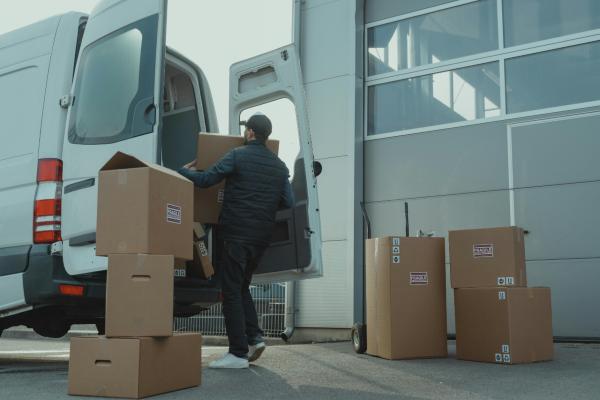
Manual handling injuries account for a significant proportion of workplace accidents, causing pain, disability, and lost working time. SafeHands Health & Safety Solutions in Ireland provides comprehensive manual handling training that protects employees from injury while helping organisations meet their legal obligations. Understanding manual handling risks and controls is essential for every workplace where employees lift, carry, push, pull, or move objects or people.
Table of Contents
- Understanding Manual Handling and Its Risks
- Common Manual Handling Injuries
- Legal Framework and Employer Responsibilities
- Manual Handling Risk Assessment Process
- Hierarchy of Control Measures
- Proper Manual Handling Techniques
- Special Considerations for Different Situations
- Manual Handling Training Components
- Implementing Effective Manual Handling Controls
- Manual Handling Equipment Selection and Maintenance
- Monitoring and Reviewing Manual Handling Safety
- Building a Manual Handling Safety Culture
- Taking Action to Protect Your Team
1. Understanding Manual Handling and Its Risks
Manual handling encompasses any activity requiring the use of force by a person to lift, lower, push, pull, carry, move, hold, or restrain an object, load, or person. This definition covers a wide range of workplace activities, from lifting boxes and moving equipment to assisting patients or clients with mobility.
The scope of manual handling activities in workplaces is broader than many people realise. Office workers manually handle files, equipment, and supplies. Retail staff move stock and assist with deliveries. Healthcare workers help patients mobilise. Construction workers lift tools and materials. Manufacturing employees handle components and finished products. Almost every role involves some manual handling.
Risks arise when manual handling activities exceed people's capabilities or are performed incorrectly. Factors including load weight, awkward postures, repetitive movements, environmental conditions, and individual capabilities all influence risk levels. Understanding these factors enables effective risk control.
2. Common Manual Handling Injuries
Musculoskeletal disorders (MSDs) represent the most common manual handling injuries. These conditions affect muscles, tendons, ligaments, nerves, joints, cartilage, and spinal discs. MSDs can develop suddenly through acute injuries or gradually through cumulative damage from repeated strain.
Back injuries, particularly lower back problems, are especially prevalent. The complex structure of the spine makes it vulnerable to damage from poor lifting techniques, excessive loads, or awkward postures. Back pain can be debilitating, affecting work capability and quality of life significantly.
Shoulder and neck problems often result from overhead work, repetitive reaching, or sustained awkward postures. These injuries can cause pain, restricted movement, and weakness. Given how much we use our shoulders and necks in daily activities, these injuries significantly impact both work and personal life.
Hand and wrist injuries, including conditions such as carpal tunnel syndrome and tendonitis, develop from repetitive movements, forceful gripping, or vibration exposure. These injuries affect dexterity and grip strength, potentially preventing people from performing their roles.
Hernias can result from excessive straining during lifting. Acute injuries such as muscle tears, ligament sprains, or disc prolapses occur when forces exceed tissue strength. These sudden injuries can be severely painful and may require extended recovery periods.
3. Legal Framework and Employer Responsibilities
Current legislation in Ireland places clear responsibilities on employers regarding manual handling. Employers must avoid the need for hazardous manual handling operations where reasonably practicable. Where avoidance isn't possible, employers must assess risks and reduce them to the lowest level reasonably practicable.
Risk assessment forms the foundation of compliance. Employers must identify manual handling activities, evaluate associated risks, and implement appropriate control measures. These assessments should consider the tasks, loads, working environment, and individual capabilities.
Providing appropriate equipment represents a key control measure. Mechanical aids such as trolleys, hoists, conveyor systems, or lifting equipment can eliminate or significantly reduce manual handling demands. Employers must provide suitable equipment and ensure it's properly maintained.
Information, instruction, and training enable employees to perform manual handling safely. Workers need to understand risks, know how to use equipment correctly, and apply proper techniques. Training must be appropriate to the tasks employees perform and updated when circumstances change.
Supervision and monitoring ensure control measures remain effective. Employers should check that safe practices are followed, equipment is used correctly, and no new hazards have emerged. Regular reviews help maintain standards and identify opportunities for improvement.
4. Manual Handling Risk Assessment Process
Effective risk assessment begins with identifying all manual handling activities within the workplace. This comprehensive approach ensures no tasks are overlooked. Consider all departments, roles, and occasional activities as well as routine operations.
Evaluating risks involves considering multiple factors. Task characteristics include load weights, reaching distances, twisting movements, repetition frequency, and whether handling involves moving or living loads. Each factor contributes to overall risk levels.
Load characteristics affect handling difficulty. Weight is obvious, but size, shape, stability, and whether contents shift also matter. Bulky items are harder to handle even if relatively light. Unstable loads increase injury risk significantly.
Working environment influences risk substantially. Space constraints, floor conditions, lighting levels, temperature extremes, and noise all affect safe handling capability. Poor environmental conditions increase risks even for otherwise moderate tasks.
Individual capability varies between people and within individuals over time. Age, fitness, health conditions, pregnancy, and experience all affect what people can handle safely. Assessments must consider the actual workforce performing tasks, not theoretical ideal workers.
5. Hierarchy of Control Measures
Eliminating manual handling altogether represents the most effective control. Can tasks be automated? Can work be redesigned to avoid moving items? Can suppliers deliver directly to the point of use? Creative thinking often identifies elimination opportunities.
Reducing manual handling demands decreases risks where elimination isn't possible. Can loads be made lighter or smaller? Can handling frequency be reduced? Can distances be shortened? Even partial reductions deliver real benefits.
Mechanical assistance substitutes machine power for human effort. Trolleys, pallet trucks, hoists, conveyors, and powered equipment reduce physical demands significantly. Selecting appropriate equipment for specific tasks is essential – generic solutions may not suit particular applications.
Improving task design makes necessary manual handling safer. Adjusting working heights reduces bending and reaching. Providing intermediate surfaces supports staged lifting of heavy items. Ensuring adequate space allows optimal body positioning. Thoughtful design reduces injury risks.
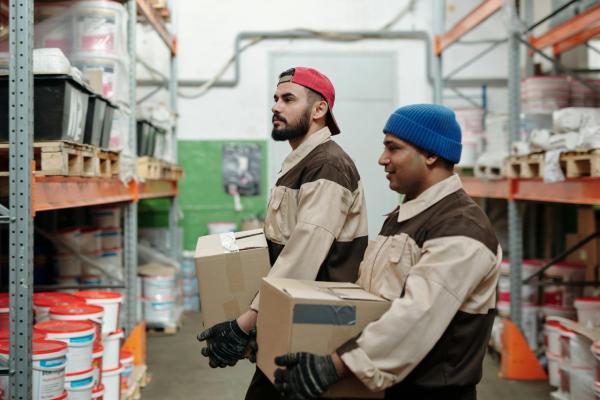
Team handling shares load between multiple people, but requires coordination and communication to be effective. Teams must work together synchronously, with clear role allocation and timing. Poorly coordinated team handling can actually increase risks, so proper training is essential.
6. Proper Manual Handling Techniques
Assessment before lifting prevents injuries. Evaluate load weight, check handling route, identify obstacles, and determine whether help or equipment is needed. Never attempt lifts beyond your capability – seek assistance or use mechanical aids.
Planning movements ensures smooth, controlled handling. Consider where you'll grip the load, how you'll position your feet, and where you'll place the load down. Having a clear plan prevents awkward mid-lift adjustments that increase injury risk.
Positioning yourself correctly creates stable, efficient lifting posture. Stand close to the load with feet shoulder-width apart, one foot slightly forward for balance. This stable base supports safe lifting and reduces unnecessary strain.
Bending knees rather than the back keeps the spine in its natural curves, reducing disc pressure. Squat down to the load, keeping your back straight and looking ahead. This position engages powerful leg muscles rather than vulnerable back muscles.
Gripping firmly with palms, not just fingers, creates secure holds. Ensure you can reach the whole load comfortably before lifting. Awkward grips increase the risk of dropping loads or straining muscles.
Lifting smoothly using leg muscles maintains control and reduces strain. Stand up steadily, keeping the load close to your body. Avoid jerking movements which create force peaks that can exceed tissue strength.
Carrying loads close to your body reduces the moment force on your spine. The further from your body you hold a load, the greater the spinal stress. Keep loads against your torso whenever possible.
Avoiding twisting protects the spine from damaging forces. Turn your whole body by moving your feet rather than twisting at the waist. This simple practice prevents many back injuries.
Setting down carefully completes the handling cycle safely. Lower loads under control using the same technique as lifting – bend knees, keep back straight, stay close to the load. Rushed or careless setting down causes many injuries.
7. Special Considerations for Different Situations
Repetitive manual handling creates cumulative strain even when individual movements seem manageable. Muscles, tendons, and other tissues need recovery time. When handling is repetitive, the body can't recover adequately between movements, leading to progressive damage.
Awkward postures significantly increase injury risks. Reaching, bending, twisting, working overhead, kneeling, or maintaining static postures all stress the body. Even light loads become hazardous when handled in awkward positions.
Team handling requires coordination and communication. Teams must agree on timing, count together for synchronisation, and communicate clearly throughout the movement. One person should act as coordinator, calling the timing and ensuring smooth teamwork.
Handling people presents unique challenges. People are much heavier than they appear, body weight distributes unevenly, and people may move unpredictably. Specialised equipment and techniques are essential for safe patient or client handling.
Carrying on stairs increases demands and risks. Visibility is reduced, balance is more precarious, and control is harder to maintain. Use equipment wherever possible, ensure adequate lighting, and never rush on stairs.
Working in confined spaces limits movement and positioning options. Careful planning is essential to identify safe approaches. Sometimes loads must be broken down into smaller components that can be handled in available space.
Environmental factors require consideration. Cold conditions stiffen muscles and reduce grip strength. Heat causes fatigue. Poor lighting prevents proper assessment. Slippery floors create additional hazards. Control environmental factors where possible and adjust handling approaches where necessary.
8. Manual Handling Training Components
Comprehensive training begins with explaining why manual handling matters. Understanding the prevalence in workplaces in Ireland and the severity of manual handling injuries motivates safe practice. When people understand real consequences, they're more likely to take precautions seriously.
Legal responsibilities should be clearly explained. Employees need to understand that while employers must provide safe systems, employees also have duties to follow training, use equipment provided, and raise concerns about unsafe situations.
Practical technique demonstration allows participants to see correct approaches. Instructors should demonstrate various scenarios relevant to participants' actual work. Seeing techniques applied in context helps understanding and retention.
Hands-on practice builds competence and confidence. Participants should practise with loads similar to those they handle at work, receiving feedback and coaching. This practical element is essential – manual handling can't be learned from theory alone.
Risk assessment skills enable employees to evaluate situations they encounter. Training should develop the ability to spot hazards, judge whether tasks are within capability, and decide when to seek help or use equipment. These decision-making skills support safe practice.
Equipment use instruction ensures employees can operate mechanical aids safely and effectively. Different equipment requires specific techniques. Practical training with actual equipment develops proper usage habits.
Problem-solving exercises present realistic scenarios requiring analysis and decision-making. These exercises develop critical thinking about manual handling and help participants apply learning to varied situations they might encounter.
9. Implementing Effective Manual Handling Controls
Successful implementation requires leadership commitment. Management must prioritise manual handling safety, allocate resources for equipment and training, and demonstrate that safe handling matters more than speed or convenience.
Consultation with employees provides valuable insights. People performing tasks understand practical challenges and can suggest effective solutions. Involving employees in developing controls increases buy-in and improves outcomes.
Clear procedures document safe approaches for specific tasks. Written instructions, especially with photographs or diagrams, provide references employees can consult. Procedures should be realistic, practical, and actually followed, not just theoretical ideals.
Adequate resources must be available. This includes appropriate equipment in good condition, sufficient time to use safe methods, and enough staff to perform team handling where needed. Cutting corners to save time or money invariably increases injury risks.
Regular monitoring ensures standards are maintained. Supervisors should observe practices, reinforce good techniques, and address unsafe behaviours promptly. Positive recognition of safe practice encourages continued compliance.
Review and improvement keep pace with changing circumstances. When new tasks arise, equipment changes, or incidents occur, review risk assessments and controls. Continuous improvement should be embedded in workplace culture.
10. Manual Handling Equipment Selection and Maintenance
Choosing appropriate equipment requires understanding tasks, environments, and loads. Generic equipment may not suit specific applications. Consider weight capacities, manoeuvrability in available space, floor surface compatibility, and ease of use.
Trolleys and carts suit moving items horizontally. Options range from simple platform trolleys to specialised designs for specific loads. Ensure wheels suit floor surfaces and can navigate obstacles. Consider whether folding designs might be needed for storage.
Lifting equipment includes manual hoists, powered lifts, and mechanical lifting devices. Patient hoists are essential in care settings. Vacuum lifters handle flat materials efficiently. Different lifting equipment suits different applications.
Conveyors and roller systems move items with minimal manual handling. These solutions suit high-volume operations or situations where items move along fixed routes. Initial investment can be offset by injury prevention and efficiency gains.
Maintenance programmes ensure equipment remains safe and effective. Regular inspections identify wear, damage, or deterioration before failures occur. Maintenance schedules should reflect usage intensity and manufacturer recommendations.
11. Monitoring and Reviewing Manual Handling Safety
Incident investigation provides crucial learning opportunities. When manual handling injuries occur, thorough investigation identifies what went wrong and prevents recurrence. Root cause analysis looks beyond immediate actions to underlying system failures.
Near-miss reporting captures valuable information. Many near misses occur for every actual injury. Learning from near misses prevents future injuries. Encourage reporting by responding constructively rather than punitively.
Sickness absence monitoring can reveal patterns suggesting manual handling problems. Unexplained back pain, soft tissue injuries, or musculoskeletal problems warrant investigation. Patterns across teams or departments indicate systemic issues.
Employee feedback provides insights into practical challenges. Regular discussions, surveys, or suggestion systems enable employees to raise concerns and suggest improvements. Acting on feedback demonstrates that input is valued.
Performance indicators track manual handling safety trends. Metrics might include injury rates, near-miss reports, training completion, equipment usage, or risk assessment reviews. Monitoring trends enables proactive management.
12. Building a Manual Handling Safety Culture
Making manual handling safety visible reinforces its importance. Display posters showing correct techniques, provide equipment prominently, and recognise safe practice publicly. Visibility keeps manual handling safety in mind.
Leadership example sets standards. When managers and supervisors consistently follow safe practices, use equipment, and prioritise safety over speed, employees follow suit. Conversely, leadership shortcuts undermine training and policies.
Empowering employees to raise concerns without fear creates psychological safety. People must feel comfortable stopping unsafe work, requesting equipment, or asking for help. Punitive responses to concerns quickly destroy this vital safety culture element.
Continuous learning through refresher training, toolbox talks, and safety discussions maintains awareness and updates knowledge. Manual handling safety shouldn't be covered once during induction then forgotten – it requires ongoing attention.
13. Taking Action to Protect Your Team
Manual handling injuries are preventable through proper risk assessment, appropriate controls, effective training, and consistent safe practice. Organisations that prioritise manual handling safety protect employees from painful, debilitating injuries while also reducing costs associated with absence, reduced productivity, and potential liability.
SafeHands delivers comprehensive manual handling training tailored to workplaces in Ireland. Training covers practical techniques, risk assessment, and equipment use, preparing employees to handle loads safely. Training is delivered at your venue or on-site at your office, with scheduling based on trainer availability.
Payment is made upfront via Stripe, bank transfer (invoice with bank details provided), or by phone. To arrange manual handling training that protects your team and ensures compliance, contact SafeHands today. Our experienced trainers will discuss your specific requirements and deliver training that makes a real difference. Instructor qualifications are available on request.
Contact SafeHands:
- Phone: +353 1 7979836 / +353 87 3823223
- Email: info@safehands.ie
- Website: www.safehands.ie