
First Aid Responder certification represents comprehensive workplace first aid training that prepares individuals to handle medical emergencies confidently and effectively. SafeHands Health & Safety Solutions in Ireland provides First Aid Responder courses that meet current standards and equip participants with life-saving skills. This guide explains everything you need to know about becoming a certified First Aid Responder.
Table of Contents
- What Is a First Aid Responder?
- Why First Aid Responder Training Matters
- Core Skills Covered in First Aid Responder Training
- Wound Management and Injury Response
- Medical Emergency Recognition and Response
- Practical Training Methodology
- Training Duration and Certification
- Who Should Become a First Aid Responder?
- Legal Requirements and Compliance
- Equipment and Resources for First Aid Responders
- First Aid Responder Responsibilities and Limitations
- Integrating First Aid Responders into Workplace Safety Culture
- Choosing the Right Training Provider
- Planning Your First Aid Responder Training
- Investment in Workplace Safety
1. What Is a First Aid Responder?
A First Aid Responder is someone trained to provide comprehensive first aid in workplace settings until emergency medical services arrive. This role goes beyond basic first aid, covering a wider range of emergency situations and requiring more in-depth knowledge and practical skills.
First Aid Responders act as the crucial first line of response when accidents or medical emergencies occur. Their training enables them to assess situations quickly, provide appropriate care, and make informed decisions about when to call emergency services. This immediate response can prevent conditions from worsening, reduce pain and suffering, and potentially save lives.
The role differs from basic first aid provision in both scope and depth. First Aid Responders learn to handle more complex medical situations, including cardiac emergencies, breathing difficulties, severe bleeding, fractures, burns, and various other conditions. Their training emphasises practical, hands-on skills alongside theoretical knowledge.
2. Why First Aid Responder Training Matters
Workplace accidents and medical emergencies happen unexpectedly. From slips and falls to heart attacks, choking incidents to severe allergic reactions, having trained First Aid Responders on site means help is available immediately. Those crucial first few minutes can determine outcomes, making rapid, skilled response essential.
Current legislation in Ireland requires employers to make provision for first aid in workplaces. The specific requirements depend on workplace size, nature of work activities, and hazards present. First Aid Responder training helps organisations meet these legal obligations while ensuring employee safety and wellbeing.
Beyond legal compliance, having trained First Aid Responders demonstrates organisational commitment to employee welfare. Employees feel safer knowing that skilled help is available if emergencies occur. This sense of security contributes to positive workplace culture and shows that the organisation values its people.
First Aid Responder training also benefits individuals personally. Skills learned during training apply beyond the workplace, enabling people to help family members, friends, and members of the public in emergency situations. This capability brings confidence and the satisfaction of being able to make genuine differences in people's lives.
3. Core Skills Covered in First Aid Responder Training
First Aid Responder courses cover comprehensive emergency response skills. Training begins with scene assessment – learning to evaluate situations for safety, identify hazards, and determine appropriate actions. This systematic approach ensures First Aid Responders don't endanger themselves while helping others.
Cardiopulmonary resuscitation (CPR) and automated external defibrillator (AED) use form crucial components of training. Participants learn to recognise cardiac arrest, perform effective chest compressions and rescue breaths, and use AEDs safely and confidently. These skills are practised extensively to build competence and confidence.
Managing breathing emergencies includes techniques for helping someone who is choking, supporting someone having an asthma attack, and recognising life-threatening breathing difficulties. First Aid Responders learn when and how to perform abdominal thrusts, position patients to optimise breathing, and provide appropriate reassurance while waiting for emergency services.
Severe bleeding control teaches techniques for applying direct pressure effectively, using pressure points, and managing catastrophic haemorrhage. First Aid Responders learn to recognise shock and take steps to prevent or manage this life-threatening condition that can develop following significant blood loss.
4. Wound Management and Injury Response
First Aid Responders learn comprehensive wound management, from minor cuts and grazes to more serious injuries. Training covers cleaning wounds appropriately, applying dressings effectively, and recognising when wounds require professional medical assessment. Proper wound care prevents infection and supports healing.
Burn management addresses different types and severities of burns. First Aid Responders learn to cool burns effectively, assess burn severity, apply appropriate dressings, and identify when urgent medical care is needed. Special attention is given to chemical burns, electrical burns, and burns to sensitive areas.
Fracture and sprain management teaches First Aid Responders to recognise bone injuries and soft tissue damage, immobilise injured areas effectively, and support casualties safely until emergency services arrive. Training includes managing head, neck, and spinal injuries with appropriate caution.
Eye injuries require specific knowledge and careful handling. First Aid Responders learn to manage foreign objects in eyes, chemical splashes, and trauma to the eye area. Proper technique prevents further damage and supports the best possible outcomes.
5. Medical Emergency Recognition and Response
First Aid Responders learn to recognise signs and symptoms of common medical emergencies. Heart attack recognition includes understanding chest pain characteristics, associated symptoms, and appropriate response. Fast, appropriate action significantly improves outcomes for people experiencing heart attacks.
Stroke recognition uses established assessment tools to identify potential strokes quickly. First Aid Responders learn the importance of rapid emergency service activation, as stroke treatment is time-critical. They also learn how to position and monitor stroke patients while waiting for help.
Diabetic emergencies – both high and low blood sugar – require different responses. First Aid Responders learn to recognise signs of each, understand when to give sugar and when not to, and know when emergency services are needed. This knowledge is particularly valuable given the prevalence of diabetes.
Seizure management prepares First Aid Responders to keep people safe during seizures, recognise when seizures require emergency response, and provide appropriate aftercare. Training dispels common myths about seizure management and emphasises protecting casualties from injury.
Severe allergic reactions (anaphylaxis) can be life-threatening but respond well to rapid treatment. First Aid Responders learn to recognise anaphylaxis signs, assist with auto-injector administration, and provide appropriate support until emergency help arrives. This knowledge can save lives.
6. Practical Training Methodology
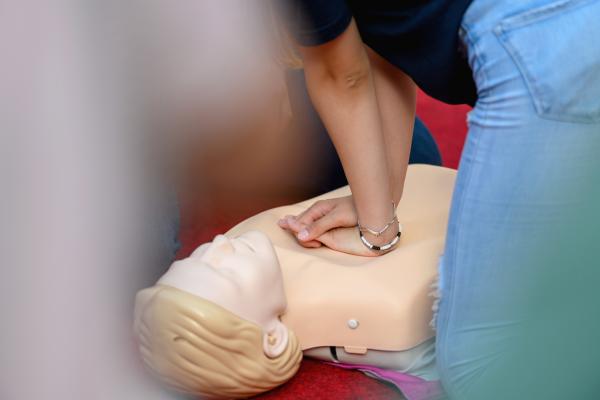
First Aid Responder training emphasises hands-on practice. Participants work with training mannequins to develop CPR skills, practise with training AEDs, and apply dressings and bandages to simulated injuries. This practical approach builds muscle memory and confidence.
Scenario-based learning places participants in realistic emergency situations where they must assess, respond, and manage cases from start to finish. These scenarios build decision-making skills, help participants learn to stay calm under pressure, and prepare them for real emergencies.
Training includes common workplace scenarios relevant to different industries. Office environments, construction sites, retail settings, and care facilities each present specific risks and likely emergencies. SafeHands tailors training to reflect the actual environments where First Aid Responders will work.
Participants learn to work as teams when multiple First Aid Responders are present. Effective communication, role allocation, and coordination improve emergency responses. Training also covers how to manage situations when you're the sole responder, maintaining effectiveness even without support.
7. Training Duration and Certification
First Aid Responder courses typically run over two to three days, depending on specific course content and depth of coverage. This duration allows sufficient time for comprehensive theoretical learning and extensive practical practice. Training balances information delivery with hands-on skill development.
Successful completion of the course requires demonstrating competence in both theoretical knowledge and practical skills. Assessment ensures First Aid Responders leave training confident and capable. SafeHands provides certification upon successful course completion.
Certification validity periods vary, but typically First Aid Responder certification requires renewal every two to three years. Regular recertification ensures First Aid Responders maintain current knowledge, refresh skills that may become rusty, and learn about any updates to guidelines or techniques.
Refresher training offers shorter courses for certified First Aid Responders approaching recertification. These courses review key skills, update knowledge with current guidance, and provide opportunities to practise techniques. Refresher training is more efficient than initial certification but ensures continued competence.
8. Who Should Become a First Aid Responder?
Organisations typically designate specific employees as First Aid Responders based on workplace needs. The number required depends on factors including workforce size, shift patterns, workplace layout, and nature of work activities. Having adequate coverage ensures First Aid Responders are available whenever needed.
Managers and supervisors benefit from First Aid Responder training as they're often first on scene when emergencies occur. Their training enables immediate, appropriate response while also helping them understand their responsibilities for workplace first aid provision.
Employees in higher-risk industries – such as construction, manufacturing, or roles involving machinery – particularly benefit from First Aid Responder training. These environments present increased likelihood of injuries, making skilled first aid response especially important.
However, First Aid Responders aren't limited to specific roles or industries. Any employee interested in developing these skills can benefit from training. Some organisations offer First Aid Responder training to volunteers rather than mandating specific people, building a larger pool of trained responders.
9. Legal Requirements and Compliance
Current legislation in Ireland requires employers to provide adequate first aid provision. This includes appointing competent persons to manage first aid, providing appropriate equipment and facilities, and ensuring employees know how to access first aid assistance. Requirements vary based on workplace risk assessments.
First Aid Responder training helps organisations meet legal obligations by ensuring designated first aiders have appropriate knowledge and skills. Certification demonstrates that training meets recognised standards, providing evidence of compliance if required.
Risk assessments determine specific first aid needs. Factors considered include workplace hazards, number of employees, workplace layout, and whether employees work alone or in remote locations. These assessments inform decisions about numbers of First Aid Responders needed and equipment required.
Record-keeping forms part of compliance. Organisations should maintain records of who is trained as First Aid Responders, when certifications expire, and any first aid incidents that occur. These records demonstrate ongoing compliance and help inform reviews of first aid provision.
10. Equipment and Resources for First Aid Responders
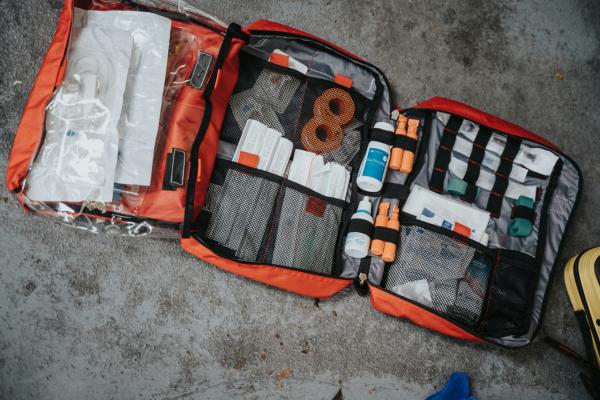
Appropriate first aid equipment is essential for effective response. First aid kits should contain supplies relevant to likely workplace injuries and medical emergencies. Contents typically include dressings, bandages, gloves, scissors, cleansing wipes, and other essential items.
Kit contents vary based on workplace risk assessments. Construction sites might include equipment for severe bleeding control, while offices might focus on minor injury supplies. First Aid Responders should be familiar with their kit contents and know where equipment is located.
AEDs significantly improve cardiac arrest survival rates. Many workplaces invest in AEDs, making them available for First Aid Responders to use. Training includes AED familiarisation, though modern devices provide clear instructions during use.
First aid rooms or designated areas provide appropriate spaces for treating casualties. While not always required, having dedicated spaces with appropriate equipment supports effective first aid delivery. Minimum requirements include hand washing facilities, seating, and adequate space.
11. First Aid Responder Responsibilities and Limitations
First Aid Responders provide emergency care within their training scope. They assess situations, deliver appropriate first aid, and call emergency services when needed. Understanding the boundaries of the role prevents First Aid Responders from attempting treatments beyond their competence.
Recognising when professional medical help is required forms a crucial skill. Training emphasises knowing your limits and erring on the side of caution. When in doubt, First Aid Responders should always seek advice from emergency services or encourage casualties to seek medical assessment.
Record-keeping after incidents documents care provided and informs reporting requirements under current legislation. First Aid Responders should complete incident records promptly while details remain fresh. These records support learning, inform risk assessments, and provide evidence if required.
Maintaining confidentiality protects casualties' privacy. First Aid Responders handle sensitive information and should only share details with those who need to know. Confidentiality builds trust and ensures people feel comfortable seeking first aid assistance.
12. Integrating First Aid Responders into Workplace Safety Culture
Making First Aid Responders visible ensures employees know help is available. Display names and contact details prominently, include information in induction programmes, and regularly remind staff about first aid provision. Visibility encourages people to seek help when needed.
First Aid Responders benefit from regular practice opportunities to maintain skills between refresher training. Mock emergency drills provide practice while also testing emergency procedures. These exercises identify areas for improvement and build confidence.
Debriefing after real incidents supports First Aid Responders emotionally and enables learning. Serious incidents can be stressful for responders, making support important. Debriefs also identify what went well and areas for improvement, contributing to continuous enhancement of first aid provision.
Integration with broader health and safety management demonstrates joined-up thinking. First aid provision should complement other safety measures such as risk control, safety training, and incident prevention. This comprehensive approach creates safer workplaces overall.
13. Choosing the Right Training Provider
Quality training providers employ experienced instructors with relevant qualifications and real-world experience. Instructor credentials matter – they should understand emergency response practically, not just theoretically. SafeHands instructors bring expertise that enriches training. Instructor qualifications are available on request.
Course content should meet current standards and reflect best practice. Training should be regularly reviewed and updated to incorporate guideline changes and new evidence. Up-to-date training ensures First Aid Responders learn current techniques.
Practical training methodology is essential. Courses should dedicate substantial time to hands-on practice with realistic scenarios. Participants need opportunities to develop muscle memory and problem-solving skills through practice, not just observation.
Training delivery location affects convenience and relevance. SafeHands delivers training at your venue or on-site at your office, making courses accessible and allowing training to reflect your specific environment. On-site delivery also demonstrates commitment to employee development.
14. Planning Your First Aid Responder Training
Determining how many First Aid Responders you need starts with risk assessment. Consider workforce size, shift patterns, workplace layout, and activity risks. Adequate coverage ensures First Aid Responders are always available.
Scheduling training requires coordination with work demands. Training typically runs across two to three days, requiring participants' full attention. Scheduling depends on trainer availability, so advance planning helps secure suitable dates.
Preparing participants helps them get maximum value from training. Inform them about course duration, what to expect, and how certification benefits them personally and professionally. This preparation increases engagement and learning.
Following up after training maintains momentum. Integrate First Aid Responders into workplace systems, provide equipment they need, and establish clear procedures. Follow-up ensures training translates into effective first aid provision.
15. Investment in Workplace Safety
First Aid Responder training represents investment in employee safety and organisational compliance. The value extends beyond meeting legal requirements – it creates safer workplaces, demonstrates care for employees, and provides peace of mind that help is available if emergencies occur.
SafeHands provides comprehensive First Aid Responder training throughout Ireland that prepares participants thoroughly for this important role. Training is delivered at your venue or on-site at your office, with flexible scheduling based on trainer availability. Payment is made upfront via Stripe, bank transfer (invoice with bank details provided), or by phone.
To arrange First Aid Responder training for your organisation, contact SafeHands today. Our experienced team will answer your questions, explain the training in detail, and help you create a safer workplace. Instructor qualifications are available on request.
Contact SafeHands:
- Phone: 01 7979836 or 087 3823223
- Email: info@safehands.ie
- Website: www.safehands.ie