
Employers in Ireland have a legal duty to ensure that employees receive immediate assistance if they are injured or become ill at work. This includes providing appropriate first aid equipment, facilities, and trained personnel.
This guide explains workplace first aid requirements in Ireland, what the law says, and what employers must do to stay compliant.
Is First Aid a Legal Requirement in Irish Workplaces?
Yes. Under Irish law, employers must ensure that adequate first aid arrangements are in place in all workplaces.
This is set out in:
- Safety, Health and Welfare at Work Act 2005
- Safety, Health and Welfare at Work (General Application) Regulations 2007
These laws require employers to provide the necessary resources to deal with workplace injuries and emergencies.
What Are Employers Required to Provide?
Employers must ensure:
- Adequate first aid equipment (e.g. first aid kits)
- Appropriate facilities (depending on workplace size and risk)
- Trained first aid personnel, where required
- Procedures for dealing with emergencies
The level of provision depends on the size, nature, and risk level of the workplace.
Do All Workplaces Need a Trained First Aider?
Not always – but most do.
A trained first aider is required where:
- There are higher-risk activities (e.g. manufacturing)
- There are large numbers of employees
- There is limited access to emergency services
Even in lower-risk environments, such as offices, having a trained first aider is considered best practice.
How Many First Aiders Are Required?
There is no fixed number set in law. Employers must base this on a first aid needs assessment, which considers:
- Number of employees
- Type of work activities
- Workplace hazards
- Layout and size of the premises
- Shift patterns and lone working
The key requirement is that first aid must be available at all times.
What Is a First Aid Needs Assessment?
A first aid needs assessment helps employers determine what level of first aid provision is required.
It involves:
- Identifying workplace hazards
- Assessing the risk of injury or illness
- Deciding on the number of trained personnel needed
- Determining equipment and facilities required
This assessment should be documented and reviewed regularly.
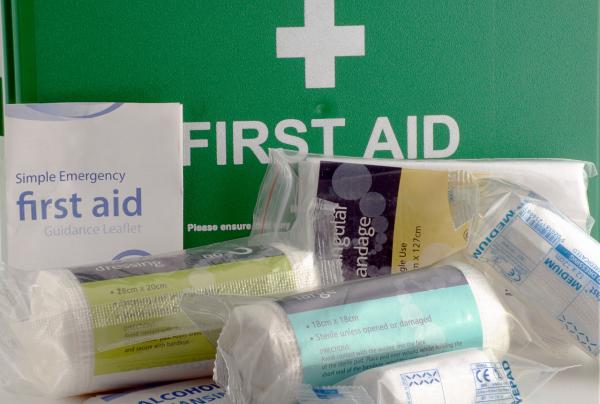
What Should Be in a Workplace First Aid Kit?
A basic workplace first aid kit should include:
- Sterile dressings and bandages
- Plasters
- Disposable gloves
- Eye wash solutions
- Antiseptic wipes
Contents should be checked regularly and restocked as needed.
Is First Aid Training Required?
Where a needs assessment identifies the requirement, employers must ensure staff receive appropriate first aid instruction.
Training should:
- Be relevant to workplace risks
- Include practical, hands-on elements
- Be delivered by a competent provider
How Often Should First Aid Training Be Refreshed?
While there is no fixed legal interval, best practice is:
- Refresher training every 2 years, or
- More frequently depending on workplace risk
Employers must ensure first aiders remain competent and confident in their role.
Is Online First Aid Training Sufficient?
Online first aid training can provide useful theoretical knowledge, but it is not sufficient on its own to ensure staff can respond effectively in a real emergency.
First aid is a practical skill that requires hands-on instruction and real-life application.
Effective first aid training should include:
- Practical, hands-on skills such as CPR and the recovery position
- Realistic scenarios to build confidence
- Immediate feedback from a qualified instructor
- Training tailored to the specific workplace
For this reason, onsite, face-to-face first aid training is considered best practice, as it ensures employees are competent, confident, and prepared to act in an emergency.
What Do HSA Inspectors Look For in First Aid Compliance?
Inspectors from the Health and Safety Authority (HSA) will assess whether your workplace has adequate first aid arrangements in place.
They typically check:
- A documented first aid needs assessment
- Availability and condition of first aid kits
- Presence of trained first aid personnel (where required)
- Up-to-date training records
- Staff awareness of emergency procedures
Employers must be able to demonstrate that first aid provision is appropriate to the risks in the workplace.
Common First Aid Compliance Mistakes
- No first aid needs assessment
- Inadequate number of trained staff
- Expired or incomplete first aid kits
- Outdated training
- Staff unsure what to do in an emergency
How SafeHands Can Help
SafeHands Health & Safety Solutions supports businesses by:
- Delivering practical onsite, face-to-face first aid instruction and certiification
- Conducting first aid needs assessments
- Advising on compliance requirements
- Preparing businesses for inspections
Having the right systems in place can make a critical difference in an emergency. Contact us today to discuss your options.
Frequently Asked Questions
Do all workplaces need first aid in Ireland?
Yes. All workplaces must have appropriate first aid arrangements in place.
Is a first aider legally required?
Not in every case, but most workplaces will require trained personnel based on risk.
How many first aiders should I have?
This depends on your first aid needs assessment — there is no fixed number.
What is the most important first aid requirement?
That assistance is available immediately when needed, with trained personnel and proper equipment.