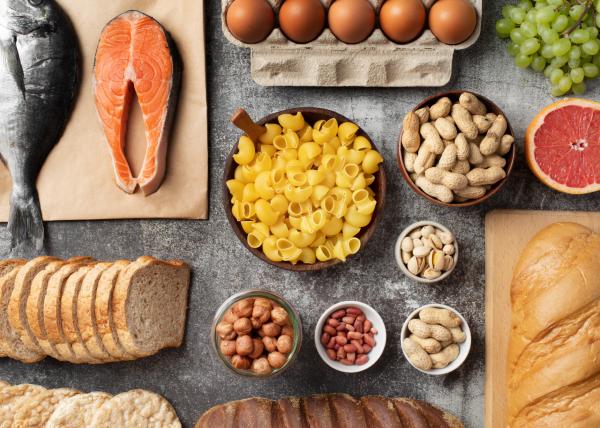
Allergen management is a critical part of food safety. Even tiny traces of an allergen can cause serious or life-threatening reactions in sensitive individuals.
For small kitchens, where space and equipment may be limited, preventing cross-contamination can be particularly challenging. However, food businesses are legally required to ensure that allergen information is accurate and that food served is safe.
This guide explains how cross-contamination of allergens happens and the practical steps small kitchens must take to prevent it.
What Is Allergen Cross-Contamination?
Cross-contamination occurs when allergens are unintentionally transferred from one food, surface, or utensil to another.
This can happen through:
- Shared equipment or utensils
- Unclean surfaces
- Poor hand hygiene
- Incorrect storage
- Airborne contamination (e.g. flour dust)
Even very small amounts of an allergen can trigger a reaction.
Why Is Allergen Control So Important?
Food allergies can cause severe reactions, including anaphylaxis. Unlike bacteria, allergens are not destroyed by cooking, so prevention is essential.
Food businesses must:
- Provide accurate allergen information
- Prevent cross-contact where possible
- Be able to confidently answer customer queries
Failure to manage allergens properly can result in serious illness, legal action, and reputational damage.
Common Allergen Risks in Small Kitchens
Small kitchens often face higher risks due to:
- Limited preparation space
- Shared equipment
- Busy service periods
- Lack of clear separation between tasks
Typical high-risk situations include:
- Using the same chopping board for different foods
- Frying allergen-free food in shared oil
- Handling allergens and non-allergen foods without washing hands
- Storing allergen-containing foods incorrectly
How to Prevent Allergen Cross-Contamination
1. Separate Where Possible
- Use dedicated equipment and utensils for allergen-free preparation
- Prepare allergen-free meals in a separate area, if available
- Clearly label allergen-free ingredients
2. Clean and Sanitize Thoroughly
- Clean and disinfect surfaces between tasks
- Pay attention to food contact surfaces and utensils
- Use correct cleaning chemicals and procedures
Cleaning must remove allergen residues — not just visible dirt.
3. Practice Strict Hand Hygiene
- Wash hands thoroughly after handling allergenic ingredients
- Dry hands using disposable towels
- Avoid switching between tasks without washing
4. Store Food Correctly
- Keep allergen-containing foods sealed and clearly labelled
- Store allergens separately from other ingredients where possible
- Prevent spills and cross-contact in storage areas
5. Manage Fryers and Cooking Equipment
- Do not cook allergen-free foods in oil used for allergen-containing products
- Clean grills and ovens between uses where required
- Be aware of shared cooking surfaces
6. Train Staff and Communicate Clearly
Staff must:
- Understand what allergens are present in your kitchen
- Know how cross-contamination occurs
- Follow correct procedures at all times
- Communicate clearly with customers
7. Provide Accurate Allergen Information
Customers rely on the information you provide. You must:
- Clearly identify allergens in menu items
- Keep allergen information up to date
- Ensure staff can answer allergen queries confidently
Is Allergen Control Part of HACCP?
Yes. Allergen management must be included in your HACCP-based food safety management system.
You should:
- Identify allergen risks as hazards
- Put controls in place to prevent cross-contamination
- Monitor procedures
- Take corrective action when needed
- Keep records where appropriate
Common Allergen Mistakes Identified During Inspections
Environmental Health Officers frequently identify:
- Staff unsure about allergen content
- Inaccurate or missing allergen information
- Poor cleaning between tasks
- Cross-contact due to shared equipment
- Lack of documented allergen procedures
What Should You Do If a Mistake Happens?
If there is any doubt about allergen safety:
- Do not serve the food
- Inform the customer immediately
- Prepare the meal again safely
Never guess when it comes to allergens.
Frequently Asked Questions
Can cooking destroy allergens?
No. Allergens are not destroyed by heat, so cooking does not make food safe for allergic customers.
Can I guarantee a dish is allergen-free?
Only if you have strict controls in place to prevent cross-contamination. Otherwise, you must clearly communicate the risk.
Is using the same fryer safe?
No. Shared oil can transfer allergens and make food unsafe.
Do small kitchens have to follow allergen rules?
Yes. All food businesses, regardless of size, must manage allergens and provide accurate information.
How SafeHands Can Help
SafeHands Health & Safety Solutions supports food businesses by:
- Developing allergen control procedures
- Integrating allergen management into Food Safety/HACCP systems
- Training staff in allergen awareness
- Preparing businesses for EHO inspections
Strong allergen controls protect your customers and your business. Contact us today to discuss your training and certification requirements and be in SafeHands…