Many workplaces throughout Ireland require more comprehensive first aid capability than basic emergency first aid provides. First Aid Responder training represents the next level, preparing individuals to manage a wider range of medical emergencies with greater depth of knowledge and extended practical skills. SafeHands Health & Safety Solutions delivers First Aid Responder courses onsite at organisations across Ireland, developing confident, competent first aid leaders who significantly enhance workplace safety capabilities.
Table of Contents
- Introduction to First Aid Responder Training
- Comprehensive Course Content
- Leadership and Communication Skills
- Workplace Implementation
- Legal and Professional Responsibilities
- Certification and Career Development
- Frequently Asked Questions
1. Introduction to First Aid Responder Training
First Aid Responder training bridges the gap between basic emergency first aid and full paramedic or medical professional training. This level of qualification suits organisations with higher risk profiles, larger workforces, or those in remote locations where professional medical help might be delayed.
i. Role of First Aid Responders in Organisations
First Aid Responders serve as workplace first aid coordinators and leaders. Beyond treating casualties, they often manage first aid resources, maintain equipment and supplies, coordinate with emergency services during serious incidents, support basic first aiders in complex situations, and provide guidance on workplace first aid requirements. In larger organisations, First Aid Responders may form first aid teams providing comprehensive coverage across sites. Their extended training enables confident management of medical emergencies while waiting for professional medical assistance.
ii. Advanced Skills Beyond Basic First Aid
First Aid Responder training significantly extends beyond basic emergency first aid content. Additional topics include detailed casualty assessment procedures, management of specific medical conditions, extended care for trauma injuries, oxygen administration, use of specialised equipment, spinal injury management, and extended treatment protocols for prolonged care scenarios. This comprehensive content typically requires two to three days of intensive training. Participants develop not just skills but the judgment needed to assess situations, prioritise actions, and adapt responses to complex circumstances encountered in real emergencies.
2. Comprehensive Course Content
SafeHands' First Aid Responder course covers extensive content preparing participants for diverse emergency scenarios across Irish workplaces.
i. Extended First Aid Techniques
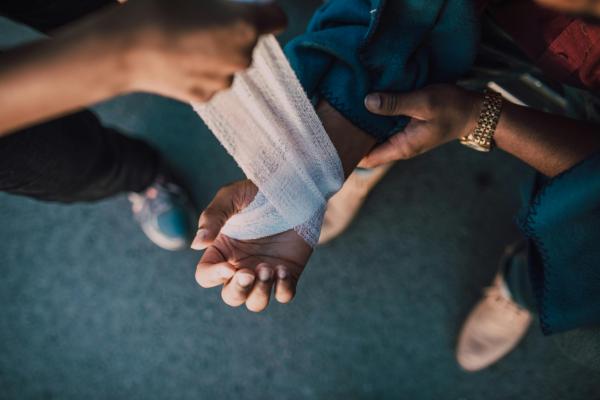
The course builds on basic first aid foundations with extended techniques. Participants learn comprehensive casualty assessment using systematic approaches to examine injuries and monitor vital signs. Advanced bandaging techniques manage complex wounds. Splinting and immobilisation techniques handle fractures and suspected spinal injuries. Oxygen therapy administration supports casualties with breathing difficulties. Use of specialised equipment including airways, suction devices, and advanced first aid kits extends treatment capabilities. These techniques enable First Aid Responders to provide higher-level care while awaiting professional medical services.
ii. Managing Complex Medical Emergencies
Beyond trauma injuries, First Aid Responders must manage various medical emergencies. The course covers chest pain and suspected heart attacks, strokes and transient ischaemic attacks, diabetic emergencies including hypoglycaemia and hyperglycaemia, severe asthma attacks, anaphylaxis and severe allergic reactions, seizures of various types, poisoning and overdoses, and mental health emergencies. For each condition, participants learn recognition of signs and symptoms, appropriate first aid responses, medication administration where applicable, and communication with emergency services. This breadth prepares First Aid Responders for the diverse medical situations that occur in workplaces throughout Ireland.
3. Leadership and Communication Skills
Effective first aid in serious emergencies requires more than just medical knowledge. Leadership and communication capabilities are essential for coordinating responses.
i. Coordinating Emergency Response
When serious incidents occur, someone must take charge. First Aid Responders are trained to coordinate emergency responses, assigning roles to others present, directing someone to call emergency services with specific information, managing bystanders and maintaining scene safety, prioritising multiple casualties in major incidents, and communicating effectively with arriving emergency services. This leadership role requires confidence, clear thinking under pressure, and practical organisational skills. Training includes scenario-based practice where participants coordinate responses to complex situations, building these essential leadership capabilities alongside medical knowledge.
ii. Supporting Colleagues and Casualties
First Aid Responders must support not just casualties but also colleagues assisting or witnessing emergencies. This involves clear communication, appropriate delegation, emotional support for distressed individuals, and maintaining calm, professional demeanours during crises. After incidents, First Aid Responders may be involved in defusing sessions, helping those affected process traumatic experiences. Understanding the psychological aspects of emergencies and trauma helps First Aid Responders support everyone involved effectively while managing their own emotional responses to distressing situations.
4. Workplace Implementation
First Aid Responder qualifications should integrate meaningfully into workplace safety management rather than existing only on paper.
i. Creating First Aid Response Teams
Larger organisations benefit from structured first aid response teams with designated First Aid Responders, clear role definitions, communication protocols, regular training exercises, and integration with emergency response plans. SafeHands can advise on appropriate first aid provision for your organisation size, risk profile, and operations. Creating effective teams ensures first aid capability is available when needed, distributed appropriately across sites and shifts, and maintained through ongoing development.
ii. Integrating with Emergency Procedures
First aid responses should align with broader emergency procedures. This includes clear processes for summoning First Aid Responders, communication channels between responders and management, coordination with fire marshals or emergency controllers, procedures for serious incidents requiring business continuity responses, and documentation and reporting requirements following incidents. Integrating first aid within comprehensive emergency planning ensures coherent, effective responses when situations occur. First Aid Responders should participate in emergency drills, identifying any gaps or improvements needed in procedures.
5. Legal and Professional Responsibilities
First Aid Responders accept significant responsibilities. Understanding the legal and professional context supports confident, appropriate practice.
i. Duty of Care Considerations
First Aid Responders must balance their duty to assist casualties with operating within their competence limits. Training clarifies what First Aid Responders can and should do, when to seek additional help, the limits of first aid intervention, consent and casualty autonomy, confidentiality and privacy, and when to involve professional medical services. Understanding these boundaries prevents responders from attempting interventions beyond their training while ensuring they provide all appropriate care within their scope. First Aid Responders in Ireland operate under implied consent principles when casualties cannot consent due to unconsciousness or confusion.
ii. Documentation and Reporting
Proper documentation serves multiple purposes including recording treatment provided for medical professionals, identifying learning points for future responses, meeting legal and regulatory requirements, and supporting insurance or compensation claims. First Aid Responders should complete incident reports following any significant first aid provision. Documentation should be factual, accurate, and timely, including casualty details, circumstances, signs and symptoms, treatment provided, and outcome. SafeHands training covers appropriate documentation practices ensuring First Aid Responders understand their recording responsibilities.

6. Certification and Career Development
First Aid Responder qualification represents significant professional development with value extending beyond workplace requirements.
First Aid Responder certificates demonstrate commitment to safety and community welfare. The qualification enhances CVs, supports career progression in safety-related roles, and provides personal satisfaction from possessing life-saving skills. Certificates are typically valid for three years, though annual refresher training maintains competency and confidence. Organisations benefit from having qualified First Aid Responders through enhanced safety capability, demonstration of regulatory compliance, reduced incident severity and outcomes, and improved safety culture. Investment in First Aid Responder training delivers returns through both immediate improved capability and longer-term development of safety leadership throughout Irish workplaces.
7. Frequently Asked Questions
What is a first aid responder course in Ireland?
A First Aid Responder course provides advanced first aid training beyond basic emergency first aid. It prepares participants to manage complex medical and trauma emergencies with extended skills including detailed casualty assessment, oxygen administration, spinal care, and management of diverse medical conditions. SafeHands delivers comprehensive courses across Ireland developing workplace first aid leaders.
How does it differ from standard first aid training?
First Aid Responder training is significantly more comprehensive than basic emergency first aid. It includes extended content covering more medical conditions, advanced techniques with specialised equipment, longer scenarios requiring sustained care, leadership and coordination skills, and typically requires two to three days rather than one day. First Aid Responders serve as first aid coordinators rather than just basic providers.
How can I enquire about first aid responder training?
Complete the enquiry form on the SafeHands website with information about your organisation and first aid requirements. The team will discuss course content, certification, scheduling, and logistics. Training is arranged based on trainer and schedule availability to suit your operational needs.
What payment methods do you accept?
SafeHands requires payment upfront in full via Stripe, bank transfer using invoice details provided, or payment by phone. There are no deposits or instalment payment plans available; the complete course fee is paid at once before training delivery.
Is training delivered at our workplace?
Yes, First Aid Responder training is delivered onsite at your business premises or a venue you provide. This eliminates travel for participants and allows training with your actual equipment and facilities where relevant. Onsite delivery is standard throughout Ireland for all SafeHands courses except the online mental health awareness training.
Enquire about First Aid Responder course Ireland delivered at your venue by qualified instructors whose credentials are available on request. SafeHands delivers advanced first aid training across Ireland developing confident first aid leaders.
Request information about advanced first aid responder training that significantly extends capabilities beyond basic emergency first aid.
Get certified as a first aid responder with onsite training covering comprehensive medical and trauma emergency management.
Contact SafeHands for First Aid Responder courses across Ireland that prepare individuals to coordinate workplace emergency responses effectively.
Develop workplace first aid leaders with responder training that enhances safety capability, demonstrates regulatory commitment, and creates genuine emergency response capacity throughout organisations in Ireland.