
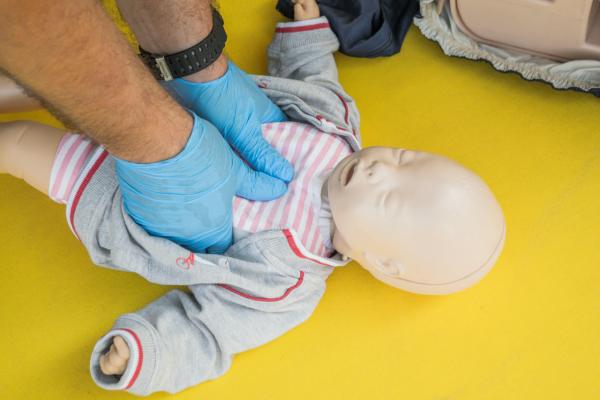
Caring for children carries immense responsibility. When emergencies occur, the ability to respond quickly and effectively can mean the difference between full recovery and lasting harm – or even save a young life. SafeHands Health & Safety Solutions delivers comprehensive child first aid/paediatric first aid courses specifically designed for childcare professionals, parents, teachers, and anyone responsible for children's wellbeing throughout Ireland. This specialised training equips participants with the knowledge and practical skills needed to manage emergencies involving infants and children confidently.
Table of Contents
- Introduction to Child First Aid
- Child CPR
- Child Choking
- Common Childhood Emergencies
- Childhood Injuries
- Recognising Illness in Children
- Frequently Asked Questions
1. Introduction to Child First Aid
First aid for children differs significantly from adult first aid. Children's bodies, common injuries, and appropriate responses all require specialised knowledge that generic first aid training doesn't adequately cover.
i. Importance of Child-Specific Training
Children aren't simply small adults. Their anatomy, physiology, common injuries, and responses to illness differ substantially. CPR techniques vary based on age and size. Choking protocols differ. Communication approaches change. Recognising serious illness in children requires different awareness than in adults. Generic first aid training provides valuable skills, but anyone regularly caring for children benefits enormously from child-specific instruction. SafeHands' child first aid course addresses these unique considerations, ensuring participants understand not just what to do but why paediatric approaches differ.
ii. Differences from Adult First Aid
Key differences between child and adult first aid include CPR compression depth, rate, and hand positioning varying by child's age and size, different rescue breath volumes and techniques, modified choking procedures for infants versus children, unique considerations for common childhood injuries, specific approaches to recognising serious illness in non-verbal or young children, and different communication needs when treating frightened children. Understanding these differences ensures appropriate, effective responses. Participants in SafeHands' child first aid course gain confidence handling paediatric emergencies specifically, complementing any adult first aid knowledge they might already possess.
2. Child CPR
Cardiopulmonary resuscitation represents one of the most critical emergency skills. Performing CPR correctly on children requires understanding age-specific techniques.
i. When to Perform CPR on Children
CPR becomes necessary when a child is unresponsive and not breathing normally. This might occur following drowning, choking, severe allergic reactions, electrocution, or other traumatic incidents. Recognising that CPR is needed requires quickly assessing responsiveness and breathing. If a child doesn't respond to voice or gentle stimulation and isn't breathing or is only gasping, CPR should begin immediately while someone calls emergency services. Early CPR significantly improves survival chances. Every second counts when a child's heart has stopped or breathing has ceased.
ii. Child CPR Technique
Child CPR techniques vary based on whether the casualty is an infant (under one year) or child (one year to puberty). For infants, two fingers compress the chest approximately one-third of its depth. For children, one or two hands may be used depending on the child's size, compressing about one-third depth. Compression rate is 100-120 per minute for all ages. After 30 compressions, two rescue breaths are given, ensuring the chest rises with each breath. This cycle continues until emergency services arrive, the child shows signs of recovery, or the rescuer becomes too exhausted to continue safely. SafeHands' course provides extensive hands-on practice, building muscle memory and confidence for these critical skills.
iii. Using AED on Children
Automated External Defibrillators significantly improve survival from cardiac arrest. AEDs can be used on children, though considerations differ from adult use. For children under eight years or under 25 kilograms, paediatric pads should be used if available. If only adult pads are available, they can be used but shouldn't overlap. The device analyses the heart rhythm and advises whether a shock is appropriate. Following the AED's voice prompts while continuing CPR between shocks provides the best chance of survival. Training includes familiarisation with AED use on children, demystifying the equipment and building confidence to use it when every second matters.
3. Child Choking
Choking represents one of the most frightening emergencies involving children. Prompt, appropriate action prevents tragedy.
i. Recognising Choking in Children
Children who are choking may clutch their throat, become unable to speak or cry effectively, make unusual sounds or high-pitched wheezing, develop red or blue colouration, and show signs of panic or distress. Distinguishing between mild choking (where the child can still cough effectively) and severe choking (where they cannot) determines the appropriate response. Mild choking requires encouragement to keep coughing. Severe choking demands immediate intervention. Recognising choking quickly and accurately allows appropriate action before the situation deteriorates further.
ii. Back Blows and Abdominal Thrusts
For severe choking in conscious children, a combination of back blows and abdominal thrusts (Heimlich manoeuvre) is performed. The child is positioned leaning forward. Five sharp back blows are delivered between the shoulder blades using the heel of the hand. If the object doesn't dislodge, five abdominal thrusts are performed by standing behind the child, placing a fist between the navel and ribs, and pulling inward and upward sharply. This cycle continues, alternating between back blows and abdominal thrusts, until the object dislodges or the child becomes unconscious. If unconsciousness occurs, CPR should begin immediately. SafeHands' course provides thorough practice in these techniques using appropriate training equipment.
iii. Infant Choking Procedures
Choking procedures for infants differ from those for older children. Infants are positioned face-down along the rescuer's forearm, head lower than body, supported firmly. Five back blows are delivered between the shoulder blades. If unsuccessful, the infant is turned over onto the rescuer's other arm, still with head lower than body, and five chest thrusts are performed using two fingers in the centre of the chest. This alternating pattern continues until the object dislodges or the infant becomes unconscious, at which point infant CPR begins. These techniques require practice to perform confidently, which SafeHands' child first aid course provides through hands-on training.
4. Common Childhood Emergencies
Beyond CPR and choking, childcare professionals must recognise and respond to various medical emergencies specific to or common in children.
i. Asthma Attacks
Asthma affects many children throughout Ireland. During an asthma attack, airways narrow, causing breathing difficulty, wheezing, coughing, and chest tightness. First aid involves keeping the child calm and upright, helping them use their reliever inhaler (usually blue), encouraging slow, steady breathing, and monitoring their condition. If the attack doesn't improve within a few minutes, the inhaler should be used again. Severe attacks require immediate emergency services contact. Understanding asthma management helps childcare staff support affected children confidently rather than panicking, which could worsen the child's distress.
ii. Allergic Reactions
Severe allergic reactions (anaphylaxis) are medical emergencies requiring immediate action. Signs include difficulty breathing, swelling of face or throat, hives or widespread rash, dizziness or confusion, and rapid deterioration. When a child with known severe allergies shows these signs, their prescribed adrenaline auto-injector must be used immediately without delay. Emergency services should be called. The child should lie flat unless breathing is difficult, in which case sitting upright is better. First aiders must know where children's adrenaline auto-injectors are kept and feel confident using them. SafeHands' training includes auto-injector practice using training devices, preparing participants for this life-saving intervention.
iii. Seizures and Convulsions
Children experience seizures for various reasons, including epilepsy, fever, or head injuries. During a seizure, first aid priorities include protecting the child from injury by moving hazards away, cushioning their head, timing the seizure, and staying with them. Do not restrain the child or put anything in their mouth. After the seizure, place the child in the recovery position and stay with them as they regain consciousness, providing reassurance. Emergency services should be called for first seizures, seizures lasting over five minutes, or multiple seizures without recovery between. Understanding seizure first aid removes fear and enables appropriate, calm responses.
5. Childhood Injuries
Children's natural curiosity and developing coordination mean injuries are common. First aiders must manage these incidents competently.
i. Falls and Head Injuries
Falls are among the most common childhood injuries. Minor bumps and bruises require simple first aid, but head injuries demand particular attention. Signs of serious head injury include loss of consciousness, vomiting, confusion or unusual behaviour, bleeding or clear fluid from ears or nose, unequal pupils, or severe headache. Any significant head injury warrants medical assessment. Children should be monitored carefully following head impacts, even apparently minor ones. Understanding when to seek medical help for head injuries prevents both under-reaction (missing serious injuries) and over-reaction (unnecessary emergency department visits for every minor bump).
ii. Broken Bones
Fractures in children may not always be obvious. Pain, swelling, deformity, unwillingness to use or bear weight on a limb, and unusual mobility at joints all suggest possible fractures. First aid involves supporting the injured area, applying a cold compress to reduce swelling, and arranging medical assessment. Do not attempt to straighten deformed limbs. The priority is preventing further damage and keeping the child comfortable while obtaining proper medical care. Children's bones heal well, but appropriate initial management ensures optimal outcomes.
iii. Cuts and Bleeding
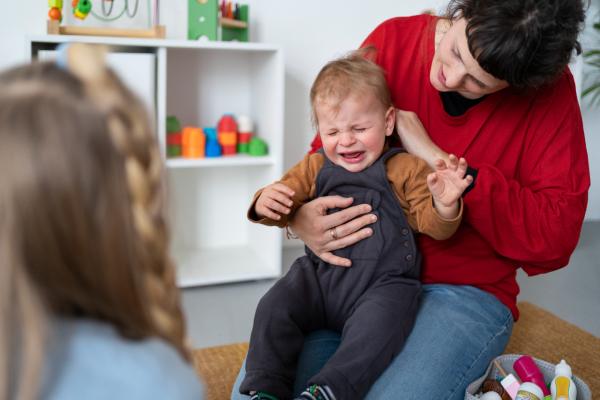
Minor cuts and scrapes are daily occurrences in childcare settings. Most bleeding is controlled through direct pressure with a clean cloth or bandage. Deep cuts, wounds with embedded objects, or bleeding that doesn't stop within several minutes require medical attention. First aid priorities include stopping bleeding, preventing infection through cleanliness, and providing appropriate wound dressing. Reassuring frightened children while treating injuries demonstrates care while enabling proper first aid.
6. Recognising Illness in Children
Sometimes the most important first aid skill is recognising when a child is seriously unwell and requires urgent medical attention.
Young children can't always articulate how they feel. Recognising serious illness requires attention to various indicators including unusual drowsiness or difficulty waking, refusal to eat or drink, persistent vomiting or diarrhoea, high fever especially in babies, breathing difficulties or unusual breathing sounds, pale or mottled skin, unusual crying or irritability, rash that doesn't blanch under pressure, and instinctive concern that something isn't right. Trusting this instinctive concern is important –experienced childcare professionals develop intuition about when children are seriously unwell. First aid training builds awareness of warning signs while empowering participants to seek medical help confidently when concerned. Early identification and appropriate response to serious illness prevents deterioration and may save lives.
7. Frequently Asked Questions
What is a child first aid course?
A child first aid course provides specialised training in managing medical emergencies involving infants and children. SafeHands' course covers child CPR, choking procedures, management of common childhood emergencies like asthma and allergic reactions, injury treatment, and recognising serious illness. Training is specifically designed for childcare professionals and others regularly responsible for children throughout Ireland.
Who needs child first aid training?
Anyone regularly caring for children benefits from child first aid training. This includes childcare workers in creches and preschools, teachers and school staff, sports coaches and activity leaders, childminders, foster carers, parents and grandparents, and youth organisation volunteers. Current legislation requires certain ratios of first aid trained staff in childcare settings. SafeHands delivers training suitable for both regulatory compliance and personal skill development.
How can I enquire about child first aid training?
Submit an enquiry through the SafeHands website enquiry form with details about your requirements and organisation if applicable. The team will discuss your needs, group size, and scheduling preferences. Training dates are arranged based on trainer and schedule availability to suit your operational needs.
What payment methods are available?
SafeHands accepts payment upfront in full via Stripe, bank transfer using invoice details provided by email, or by phone. There are no deposits or payment plans available; the complete course fee is paid at once before training delivery.
Is training delivered at our location?
Yes, child first aid training is delivered onsite at your childcare facility, school, community centre, or a venue you provide. This approach eliminates travel for participants and allows training in familiar environments. Onsite delivery is standard across Ireland for all SafeHands courses except the online mental health awareness training.
Enquire about child first aid course delivered at your venue throughout Ireland. SafeHands has provided specialised childcare services since 2013, working with major organisations including Barnardos and childcare partnerships across the country.
Request information about comprehensive child first aid training designed specifically for childcare professionals with one-day courses covering life-saving skills relevant to the childcare sector.
Get trained in child first aid at your location by qualified instructors whose credentials are available on request.
Contact SafeHands for child first aid courses across Ireland that meet regulatory requirements while building genuine confidence and competence.
Protect children with child first aid training that equips childcare professionals, teachers, and parents throughout Ireland with essential emergency response skills.