
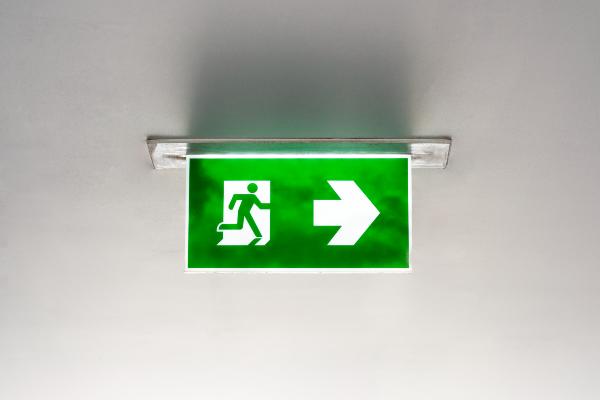
Effective emergency response requires designated leaders who can coordinate evacuations, manage panic, and liaise with emergency services. Fire wardens fulfil this critical role, but only when properly trained and confident in their responsibilities. SafeHands Health & Safety Solutions provides comprehensive fire warden training across Ireland, developing the emergency response leaders your workplace needs to protect lives and property.
Table of Contents
- Introduction to Fire Warden Training
- Fire Warden Responsibilities
- Comprehensive Training Content
- Practical Skills Development
- Creating Effective Fire Safety Teams
- Certification and Ongoing Development
- Frequently Asked Questions
- Empower Your Fire Safety Leaders with Professional Training
1. Introduction to Fire Warden Training
Fire wardens serve as crucial leaders in emergency response in Irish workplaces, taking responsibility for fire safety measures and coordinating evacuations when emergencies occur. SafeHands provides comprehensive fire warden/marshal training across Ireland designed to equip designated staff with the advanced knowledge, practical skills, and leadership capabilities required to fulfil this vital role effectively.
Fire warden responsibilities extend far beyond simply evacuating during emergencies. These designated individuals perform regular safety checks, assist in developing and updating emergency procedures, conduct or support fire drills, and serve as the primary liaison with emergency services during fires. This elevated level of responsibility demands specialised training that goes beyond basic fire safety awareness.
i. Role of Fire Wardens in Irish Workplaces
Employers in Ireland have legal obligations under the Safety, Health and Welfare at Work Act 2005 to prepare emergency plans, including clear evacuation procedures and appointment of competent persons to implement those plans. Fire wardens fulfil this requirement, providing trained leadership during the chaotic conditions that emergencies create. Their presence transforms potentially disorganised evacuations into calm, efficient responses that prevent injuries and save lives.
Fire wardens act as force multipliers for workplace safety. Where basic awareness training equips employees to protect themselves, fire warden training creates leaders who can coordinate multiple people, make rapid decisions, and maintain order during emergencies. This enhanced capability significantly improves overall workplace safety outcomes.
ii. Current Legislation Requirements
Irish fire safety legislation requires businesses to undertake fire risk assessments, establish emergency procedures, provide appropriate fire-fighting equipment and detection systems, ensure staff receive fire safety training, and designate competent persons to oversee implementation. Fire wardens represent the practical application of these requirements, bridging the gap between written policies and real-world emergency response.
Understanding these legal obligations helps organisations appreciate why investing in proper fire warden training isn't optional, it's a fundamental component of meeting statutory duties while protecting everyone within the premises.
2. Fire Warden Responsibilities
Fire wardens carry significant responsibilities before, during, and after fire emergencies.
i. Fire Prevention Duties
Prevention forms a core element of fire warden responsibilities. Regular walkthroughs identify hazards such as blocked escape routes, faulty emergency lighting, damaged fire doors, or accumulation of combustible materials. Fire wardens ensure fire-fighting equipment remains accessible and appropriately maintained, verify that fire alarm call points are visible and unobstructed, and check that evacuation signage remains clear and illuminated.
These proactive checks prevent many fires from occurring and ensure that, if they do, response systems function correctly. Training teaches systematic inspection approaches and hazard recognition skills.
ii. Emergency Response Leadership
When fire alarms sound, fire wardens spring into action. Responsibilities include ensuring the alarm is activated and that emergency services have been contacted, initiating evacuation procedures according to established plans, checking designated areas to ensure everyone has evacuated, assisting persons requiring assistance during evacuation, closing doors to contain fire spread where safe to do so, and liaising with arriving emergency services.
This leadership requires confidence built through training and practice. Fire wardens must make rapid decisions in stressful conditions while maintaining a calm demeanour that prevents panic among other occupants.
iii. Assisting with Evacuations
Fire wardens ensure evacuations proceed smoothly by directing people to appropriate escape routes, preventing the use of lifts during evacuations, assisting visitors unfamiliar with premises, supporting persons with mobility impairments or other evacuation needs, performing systematic checks of high-risk areas like toilets, and accounting for all persons at assembly points.
Training covers techniques for managing various scenarios, including assisting wheelchair users, supporting persons with visual or hearing impairments, and addressing situations in which employees resist evacuation or attempt to collect personal belongings.
3. Comprehensive Training Content
SafeHands fire warden training provides detailed instruction across all aspects of the role.
i. Advanced Fire Safety Knowledge
Beyond basic fire awareness, fire wardens require a deeper understanding of fire behaviour, including how different materials burn, how fire spreads through buildings, the dangers of smoke and toxic gases, and the conditions leading to flashover. This knowledge enables better risk assessment and decision-making during emergencies.
Training covers the fire triangle in detail, explaining how removing any element heat, fuel, or oxygen extinguishes fires. Understanding this principle guides fire warden decisions about when extinguishing attempts might succeed versus when immediate evacuation is essential.
ii. Emergency Procedures
Fire wardens must thoroughly understand their workplace's specific emergency procedures, including evacuation strategies (simultaneous, phased, or progressive horizontal), assembly point locations and alternatives if primary points are compromised, communication protocols with emergency services, and documentation requirements following incidents.
Training includes practical scenarios allowing fire wardens to practice implementing these procedures under simulated pressure, building muscle memory and confidence for real emergencies.
iii. Communication Skills
Effective communication proves critical during emergencies. Fire wardens learn to deliver clear, concise instructions under pressure, communicate essential information to emergency services, maintain radio or phone communication with other fire wardens in large premises, and deliver post-incident briefings to management and employees.
Training emphasises calm, authoritative communication styles that generate compliance without causing panic. Voice projection, clear terminology, and decisive instruction delivery are practised.
4. Practical Skills Development
Fire warden training focuses on building confidence and understanding through clear guidance on fire safety procedures and emergency response.
i. Understanding Fire Fighting Equipment
Fire wardens receive comprehensive instruction on the different types of fire extinguishers and the situations in which each type may be appropriate. Training also covers the principles behind safe fire response, including understanding the PASS technique (Pull, Aim, Squeeze, Sweep), recognising potential risks when approaching a fire, and identifying when it is safer to prioritise evacuation rather than attempting to tackle a fire.
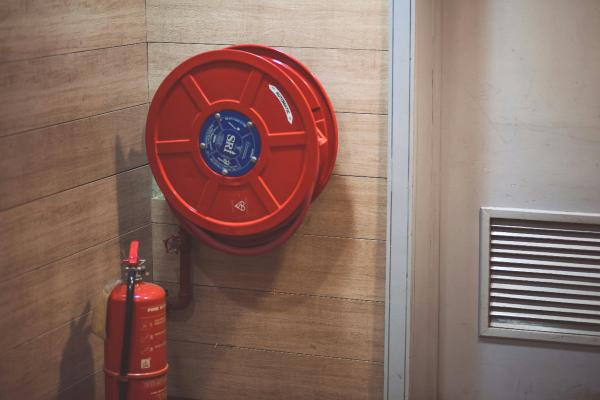
The training includes explanations and demonstrations that help fire wardens become familiar with common fire safety equipment found in workplaces, such as fire extinguishers, fire blankets, and, where present, hose reels. This knowledge helps wardens understand the role of these tools within the broader fire safety and evacuation strategy.
ii. Managing Evacuations
Discussions about evacuation coordination teach fire wardens to maintain calm while moving urgently, to direct people efficiently to escape routes, to prevent bottlenecks at exit points, and to perform systematic area checks. These discussionsbuild procedural familiarity that becomes automatic during real emergencies.
iii. Coordinating Emergency Services
When fire brigades arrive, efficient handover of information saves crucial time. Training covers providing building layout information, identifying the location of fire and persons potentially at risk, communicating hazards like gas supplies or hazardous materials, and offering knowledge of fire protection systems present.
Fire wardens learn what information emergency services need most urgently and how to deliver it clearly despite the stress of emergency situations.
5. Creating Effective Fire Safety Teams
Single fire wardens cannot manage large premises on their own. Effective fire safety requires coordinated teams.
i. Team Structure
Training addresses establishing appropriate numbers of fire wardens based on premises size and layout, defining clear roles and responsibilities, ensuring adequate coverage across all shifts and departments, and planning for annual leave and absence. Businesses need sufficient fire wardens to ensure constant coverage.
ii. Regular Drills and Practice
Fire safety competence requires regular practice. Training emphasises the importance of conducting fire drills at varied times, including outside normal hours when shift work occurs; reviewing drill performance to identify improvements; practising alternative evacuation routes; and maintaining fire warden skills through regular refresher exercises.
Drills should simulate realistic scenarios, including blocked escape routes or failures in detection systems, to ensure fire wardens can adapt their plans when circumstances demand.
6. Certification and Ongoing Development
Fire warden qualifications require maintenance through regular updates and refresher training.
SafeHands provides certificates valid for two years following successful course completion. As fire safety best practices evolve and premises change, periodic refresher training ensures fire wardens maintain current knowledge. Training can be updated to address changes in premises layout, new equipment installations, or lessons learned from drills and incidents.
Ongoing development might include advanced courses covering specific scenarios relevant to particular industries, evacuation of persons with disabilities, or coordination of emergency response across multi-building sites.
7. Frequently Asked Questions
What is fire warden training in Ireland?
Fire warden training prepares designated staff to take leadership responsibility for fire safety, including conducting fire safety checks, coordinating evacuations, using firefighting equipment, and liaising with emergency services. Training covers advanced fire safety knowledge and practical emergency response skills.
Who should become a fire warden?
Fire wardens should be reliable staff members who are regularly present, have good communication skills, remain calm under pressure, and are committed to safety responsibilities. Suitable candidates include supervisors, team leaders, health and safety officers, and facilities managers. Premises need sufficient fire wardens for all shifts and areas.
How can I enquire about fire warden training?
Contact SafeHands at 01 7979836 or 087 3823223, email info@safehands.ie, or complete our website enquiry form. We'll discuss your premises' specific requirements and arrange convenient training dates for your designated fire wardens.
What payment methods are available?
SafeHands accepts payment via Stripe, bank transfer (we'll email an invoice with bank details), or payment by phone. Full payment is required upfront, with no staged payments or deposits.
Is training delivered at our premises?
Yes, all fire warden training is delivered onsite at your premises across Ireland. This ensures fire wardens become familiar with your specific layout, fire protection systems, and evacuation procedures, making training immediately applicable to your workplace environment.
8. Empower Your Fire Safety Leaders with Professional Training
Fire warden training in Ireland creates emergency response leaders who protect lives and property while ensuring regulatory compliance. SafeHands delivers comprehensive training onsite at your premises across Ireland. Sessions accommodate up to 12 participants, run for approximately five hours, and certification remains valid for two years.
Contact SafeHands today to enquire about fire warden training. We accept payment via Stripe, bank transfer, or phone. Call 01-7979836 or 087 3823223, or email info@safehands.ie.