Fire safety is a legal responsibility for every business in Ireland, regardless of size. Whether you run a café, retail shop, office, salon, warehouse, or small manufacturing unit, you must take reasonable steps to prevent fire and protect staff, customers, and visitors.
Many small businesses assume fire safety only applies to large workplaces, but this is not the case. Employers and those in control of premises have clear legal duties to manage fire risks and ensure safe evacuation in an emergency.
This guide explains fire safety requirements for small businesses in Ireland, what the law says, and the practical steps needed to stay compliant.
Is Fire Safety a Legal Requirement for Small Businesses?
Yes. Fire safety is a legal requirement under Irish health and safety legislation.
Employers and persons in control of workplaces must ensure that:
- Fire risks are identified and controlled
- Safe escape routes are provided
- Fire detection and alarm systems are in place
- Staff know what to do in an emergency
- Fire safety equipment is available and maintained
Failure to comply can lead to enforcement action, prosecution, and serious risk to life.
What Law Covers Fire Safety in Ireland?
Fire safety responsibilities are mainly covered by:
- Safety, Health and Welfare at Work Act 2005
- Safety, Health and Welfare at Work (General Application) Regulations 2007
Depending on the type of premises, building regulations and local fire authority requirements may also apply.
Do Small Businesses Need a Fire Risk Assessment?
Yes. Every business should carry out a fire risk assessment.
A fire risk assessment helps identify:
- Sources of ignition (electrical equipment, cooking appliances, heaters)
- Fuel sources (paper, packaging, stock, waste)
- People at risk
- Existing fire safety controls
- Additional actions required
This assessment should be reviewed regularly, especially if the business changes layout, equipment, or operations.
What Fire Safety Equipment Is Required?
The equipment needed depends on the size and type of business, but commonly includes:
- Fire extinguishers
- Fire alarm systems
- Emergency lighting
- Fire blankets (where relevant)
- Clearly marked fire exits
- Fire action notices
All equipment must be suitable for the risks present and maintained properly.
Are Fire Extinguishers Mandatory?
In most workplaces, yes.
Fire extinguishers should be:
- Appropriate for the fire risks present
- Easily accessible
- Clearly labelled
- Serviced regularly by a competent provider
Staff should also know where extinguishers are located and when they should be used.
Do Small Businesses Need Emergency Lighting?
In many cases, yes.
Emergency lighting is required where staff or visitors may need lighting to safely evacuate if normal lighting fails.
This is especially important in:
- Buildings with no natural light
- Premises open early or late
- Areas with stairs, corridors, or complex escape routes
What About Fire Exits?
Fire exits must:
- Be clearly marked
- Remain unobstructed at all times
- Open easily without delay
- Lead to a place of safety
Blocked exits are one of the most common fire safety failures found during inspections.
Do Employees Need Fire Safety Training?
Yes. Staff must know what to do if a fire occurs.
Fire safety instruction should include:
- Evacuation procedures
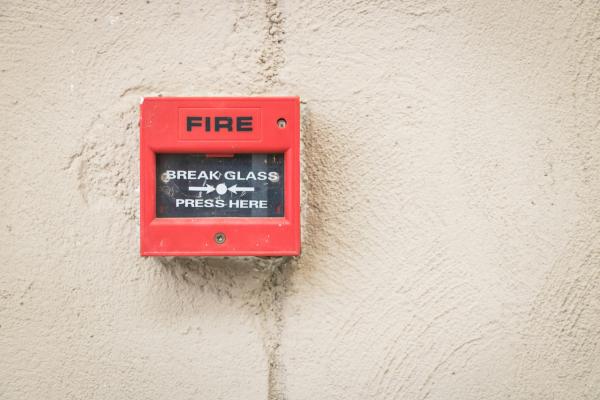
- Alarm points and alarm response
- Fire exit routes
- Assembly points
- Use of extinguishers (where appropriate)
Training should be provided during induction and refreshed regularly.
How Often Should Fire Alarms Be Tested?
Fire alarms should generally be tested weekly, with records kept.
Regular maintenance and servicing should also be carried out by a competent provider to ensure the system works correctly.
Common Fire Safety Mistakes Small Businesses Make
- Blocked fire exits
- Missing or expired extinguisher servicing
- No fire risk assessment
- No staff fire safety instruction
- Faulty emergency lighting
- Fire doors wedged open
- Poor housekeeping and excess waste build-up
These simple issues can create serious risks.
How SafeHands Can Help
SafeHands Health & Safety Solutions supports small businesses by:
- Delivering practical, onsite Fire Safety Training and Certification
- Providing Fire Warden/Marshal Training and Certification
- Helping staff understand emergency procedures and evacuation plans
- Improving workplace readiness for fire inspections
- Building confidence in responding safely during a fire emergency
Effective fire safety instruction helps protect lives, reduce workplace risk, and ensure your business is better prepared for emergencies. Contact the SafeHands team today to discuss your options.
Frequently Asked Questions
Do all small businesses need fire extinguishers?
In most cases, yes. Fire extinguishers are usually required and must be suitable for the specific fire risks present.
Can a business be fined for poor fire safety?
Yes. Failure to comply with fire safety requirements can lead to enforcement action, fines, or prosecution.
How often should fire safety training be refreshed?
There is no fixed legal timeframe, but regular refresher instruction is recommended, especially after workplace changes or staff turnover.
Who is responsible for fire safety?
The employer or the person in control of the premises is responsible for ensuring fire safety compliance.