
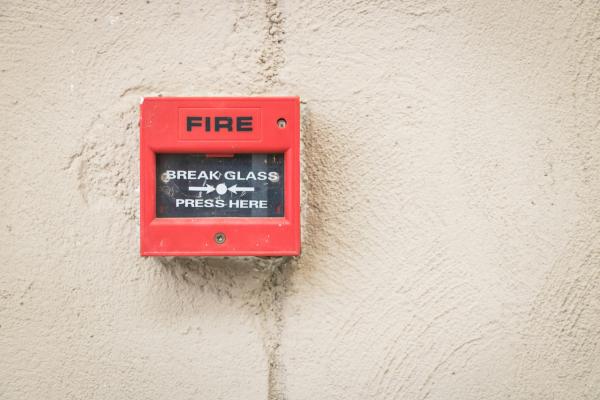
Fire emergencies can develop within minutes, leaving little time for hesitation or confusion. Every employee in your Irish workplace needs essential fire safety knowledge to protect themselves and their colleagues. SafeHands Health & Safety Solutions delivers comprehensive fire safety awareness training that meets legal requirements whilst equipping your workforce with potentially life-saving skills.
Table of Contents
- Introduction to Fire Safety Awareness
- Understanding Fire Hazards
- Fire Detection and Alarm Systems
- Evacuation Procedures
- Fire Fighting Equipment
- Legal Requirements and Compliance
- Frequently Asked Questions
- Take Action to Protect Your Workplace Today
1. Introduction to Fire Safety Awareness
Every workplace in Ireland faces fire risks, making fire safety awareness essential for all employees, regardless of their role or seniority. From understanding how fires start to knowing correct evacuation procedures, comprehensive fire safety knowledge protects lives and property. SafeHands delivers expert fire safety awareness training that meets the requirements of the 1981 Fire Services Act and Regulation 9 of the Safety, Health and Welfare at Work Act 2005, ensuring your workforce is fully prepared for fire emergencies.
Fire safety awareness goes beyond knowing where fire exits are located. It encompasses understanding fire hazards specific to your workplace, recognising signs of fire development, responding appropriately to alarms, and using fire-fighting equipment safely when appropriate. This knowledge transforms employees from passive occupants into active participants in fire safety.
i. Importance of Fire Safety Knowledge
Fire emergencies develop rapidly. The time between fire ignition and a room becoming fully involved in flames can be measured in minutes. In these critical moments, employees with fire safety awareness can make decisions that save lives. Understanding when to evacuate immediately versus when a small fire might be safely extinguished prevents dangerous hesitation or inappropriate actions.
Workplace fires cause deaths, injuries, and significant property damage across Ireland every year. Many incidents result from preventable causes, such as electrical faults, careless smoking, or poor housekeeping. Awareness training helps employees recognise and report hazards before they cause fires, creating a proactive safety culture.
ii. Employee Responsibilities
All employees share responsibility for fire safety within their workplace. This includes maintaining good housekeeping to reduce fire risks, keeping fire exits and escape routes clear, reporting fire hazards or faulty equipment, knowing how to raise the alarm, understanding evacuation procedures, and participating in fire drills. These responsibilities apply to everyone working on your premises, from senior management to temporary staff.
Understanding personal responsibilities empowers employees to take ownership of fire safety. Rather than assuming fire safety is someone else's concern, trained staff recognise their role in prevention and response.
2. Understanding Fire Hazards
Recognising what causes fires and how to prevent them forms the foundation of fire safety awareness.
i. Common Causes of Workplace Fires
Irish workplaces experience fires from various sources. Electrical equipment faults, including overloaded sockets and damaged cables, represent a leading cause. Cooking equipment in kitchens and break rooms poses risks, particularly when left unattended. Smoking materials, where smoking is permitted, can ignite combustible materials if not properly extinguished. Arson and deliberate fire-setting also occur, particularly in premises with poor security.
Understanding these common causes helps employees identify potential hazards in their specific work environment. Training teaches staff to recognise warning signs like burning smells, flickering lights indicating electrical problems, or heat from equipment suggesting a malfunction.
ii. Fire Prevention Strategies
Prevention offers the most effective approach to fire safety. Simple measures significantly reduce fire risk: keeping combustible materials away from heat sources, ensuring electrical equipment is properly maintained and used correctly, maintaining good housekeeping standards to prevent accumulation of combustible waste, storing flammable materials safely, and ensuring adequate ventilation in areas where flammable vapours might accumulate.
Training emphasises that prevention is everyone's responsibility. Employees who understand how fires start can identify and address risks in their daily activities, creating a safer environment for all.
3. Fire Detection and Alarm Systems
Early fire detection provides crucial extra time for safe evacuation and can limit fire damage.
i. Types of Detection Systems
Modern workplaces employ various fire detection systems, including smoke detectors that sense combustion particles, heat detectors that respond to temperature changes, flame detectors that sense light emissions from fires, and combined systems using multiple detection methods. Understanding how these systems work helps employees appreciate why they must not be tampered with or covered.
Manual call points allow anyone discovering a fire to raise the alarm immediately, even if automatic systems haven't yet detected it. Training ensures all staff know where manual call points are located and how to operate them.
ii. Responding to Fire Alarms
When fire alarms sound, immediate action is essential. Training covers recognising your workplace's specific alarm sound, understanding what the alarm means, knowing whether to evacuate immediately or await further instruction based on your premises' evacuation strategy, and never assuming alarms are false or tests without confirmation. Treating every alarm as genuine until proven otherwise prevents dangerous complacency.
4. Evacuation Procedures
Effective evacuation requires understanding and following established procedures precisely.
i. Emergency Exit Routes
All workplaces must maintain clear, accessible escape routes. Training familiarises staff with primary and secondary escape routes from their work areas, emphasising the importance of using the nearest available exit rather than returning to main entrances. Understanding that escape routes must remain clear at all times prevents dangerous obstructions.
Staff learn to recognise green fire exit signs and emergency lighting that guides escape routes during power failures or smoke conditions.
ii. Assembly Points
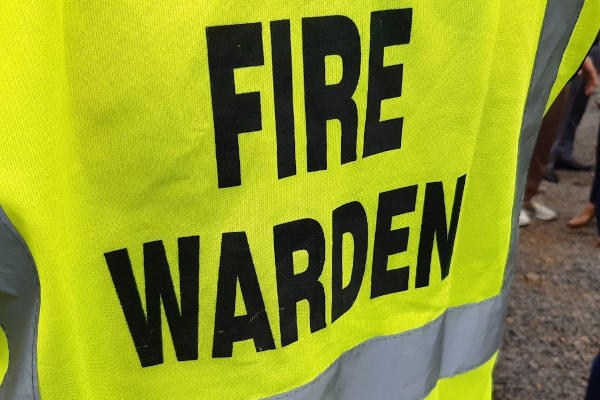
Once evacuated, staff must proceed to designated assembly points to allow roll call and prevent re-entry to dangerous buildings. Training covers locating assembly points, understanding why dispersing rather than assembling creates confusion and danger, and remaining at assembly points until officially released by fire wardens or emergency services.
Assembly points should be located at a sufficient distance from buildings to avoid smoke exposure and to allow emergency service access.
iii. Roll Call Procedures
Roll call ensures everyone has evacuated safely and identifies anyone who may still be inside and requires rescue. Training teaches staff to respond promptly when their name is called, report immediately to assembly points without detouring, and inform fire wardens of any visitors or contractors they are working with.
5. Fire Fighting Equipment
Understanding fire-fighting equipment enables appropriate responses to small fires whilst recognising when evacuation takes priority.
i. Types of Fire Extinguishers
Different fire types require specific extinguishing agents. Water extinguishers suit ordinary combustible materials like wood and paper, but must never be used on electrical fires. Foam extinguishers work on liquid fires. Carbon dioxide extinguishers suit electrical equipment. Powder extinguishers provide versatility but create visibility problems. Wet chemical extinguishers are specifically designed to extinguish cooking oil fires.
Training includes colour coding that identifies extinguisher types at a glance: water (red), foam (cream), powder (blue), carbon dioxide (black), and wet chemical (yellow).
ii. When to Fight a Fire
Not every fire should be fought. Training teaches staff to consider fire size only attempt to extinguish fires smaller than a waste bin, whether safe escape routes remain available, whether appropriate extinguishing equipment is immediately accessible, and to maintain their confidence in using equipment. Personal safety always takes priority over property protection.
iii. When to Evacuate
If fire is spreading rapidly, escape routes are threatened, smoke is heavy or toxic, or employees lack confidence in using extinguishers, immediate evacuation is essential. Training emphasises that there is no shame in evacuating rather than fighting fires preserving life is always the correct priority.
6. Legal Requirements and Compliance
Understanding legal obligations helps employers and employees appreciate the importance of fire safety measures.
Current legislation in Ireland requires employers to provide fire safety training to all employees, maintain appropriate fire-fighting equipment and detection systems, conduct fire risk assessments, establish and practice evacuation procedures, and maintain clear escape routes and emergency lighting. Compliance isn't merely bureaucratic these requirements reflect proven life-saving measures.
Training ensures employees understand that their workplace's specific measures meet legal requirements and support them through proper behaviour and awareness.
7. Frequently Asked Questions
What is fire safety awareness training?
Fire safety awareness training educates employees about fire hazards, prevention strategies, detection and alarm systems, evacuation procedures, and the appropriate use of fire-fighting equipment. Training meets the requirements of the 1981 Fire Services Act and 2005 Safety, Health and Welfare at Work Act.
Who should attend fire safety awareness training?
All employees should attend fire safety awareness training regardless of role. This includes new staff during induction, existing staff requiring initial or refresher training, managers, temporary and contract workers, and part-time employees. Everyone present in your workplace needs this knowledge.
How can I enquire about fire safety awareness training?
Contact SafeHands at +353 1 7979836 or +353 87 3823223, email info@safehands.ie, or complete our website enquiry form. We'll discuss your specific requirements and arrange convenient training dates for your team.
What payment methods are available?
SafeHands accepts payment via Stripe, bank transfer (we'll email an invoice with bank details), or payment by phone. Full payment is required upfront, with no staged payments or deposits.
Is training delivered at our workplace?
Yes, all fire safety awareness training is delivered onsite at your workplace premises across Ireland. This ensures training references your actual escape routes, fire equipment, and procedures, making learning immediately relevant and applicable.
8. Take Action to Protect Your Workplace Today
Fire safety awareness training protects your Irish workforce whilst ensuring compliance with current legislation. SafeHands delivers comprehensive training onsite at your premises, tailored to your specific work environment. Sessions accommodate up to 12 participants, last approximately 2.5 hours, and certification remains valid for two years.
Contact SafeHands today to enquire about fire safety awareness training. We accept payment via Stripe, bank transfer, or phone. Call 01 7979836 or 087 3823223, or email info@safehands.ie.