
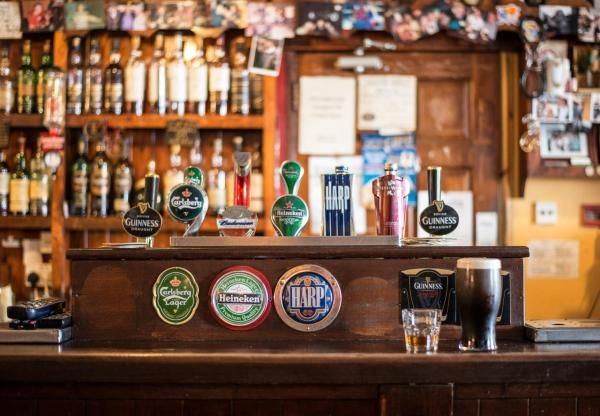
Licensed premises across Ireland have evolved significantly in recent years, with food service now representing a crucial revenue stream for many pubs alongside traditional beverage operations. This transformation brings specific food safety responsibilities that require specialised knowledge and training tailored to the unique operating environment of pubs. SafeHands Health & Safety Solutions delivers practical, accessible pub food safety training that addresses the real-world challenges faced by licensed premises, ensuring compliance with current legislation while supporting efficient, profitable food service operations.
Table of Contents
- Introduction to Food Safety in Pubs
- Food Safety Fundamentals for Pubs
- Common Pub Food Service Challenges
- Allergen Management in Pubs
- HACCP for Pubs
- Compliance and Best Practices
- FAQs
1. Introduction to Food Safety in Pubs
Pubs across Ireland increasingly offer food service alongside their traditional beverage operations, creating unique food safety challenges that require specialised training and management approaches. SafeHands delivers practical pub food safety training that addresses the specific needs of licensed premises.
i. Growing Food Service in Licensed Premises
Food service has become a vital revenue stream for pubs throughout Ireland, with many establishments now offering substantial menus ranging from bar snacks to full meals. This evolution from traditional pub operations to food-focused businesses creates specific food safety challenges that differ from typical restaurant settings. Limited kitchen space, dual-purpose staff handling both food and beverages, busy service periods with pressure on food preparation times, and storage constraints all require careful management to ensure food safety standards are maintained while delivering efficient service.
ii. Current Legislation Requirements
Current legislation in Ireland requires all food businesses, including pubs serving food, to implement appropriate food safety management systems based on HACCP principles. The Food Safety Authority of Ireland (FSAI) enforces these requirements through Environmental Health Officer inspections. All staff handling food must receive appropriate training in food safety principles and practices. Pubs must maintain documentation of their food safety systems, staff training records, and monitoring activities to demonstrate compliance during inspections.
2. Food Safety Fundamentals for Pubs
Understanding and implementing basic food safety principles provides the foundation for safe food service in pub environments.
i. Personal Hygiene Standards
Personal hygiene represents the first line of defence against foodborne illness in any food business. Staff working in pubs in Ireland must understand the importance of thorough handwashing before handling food, after using toilet facilities, and after any activity that might contaminate hands. Clean clothing and appropriate protective equipment such as aprons help prevent contamination. Staff must report any illness, particularly symptoms such as vomiting or diarrhoea, and should not handle food while unwell. Cuts and wounds should be covered with appropriate waterproof dressings, preferably blue-coloured for easy detection if they become dislodged.
ii. Safe Food Handling Practices
Safe food handling practices prevent cross-contamination and maintain food safety throughout preparation and service. This includes separating raw and ready-to-eat foods during storage and preparation, using separate equipment and utensils for different food types, maintaining correct refrigeration temperatures below 5°C, ensuring adequate cooking temperatures are reached and maintained, and controlling the time that potentially hazardous foods spend in the temperature danger zone between 5°C and 63°C. These principles apply whether preparing simple bar snacks or more complex meals.
iii. Cleaning and Sanitation
Effective cleaning and sanitation procedures maintain hygienic food preparation environments. Pubs in Ireland should implement regular cleaning schedules that address all food contact surfaces, equipment, and facilities. The distinction between cleaning (removing visible dirt and food residues) and sanitising (reducing microorganisms to safe levels) is important, with both processes necessary for effective hygiene. Food contact surfaces should be cleaned and sanitised between uses, particularly when switching between raw and ready-to-eat foods. Regular deep cleaning maintains standards beyond daily cleaning routines.
3. Common Pub Food Service Challenges
Pub environments present specific challenges that require tailored approaches to food safety management.
i. Bar Food Preparation
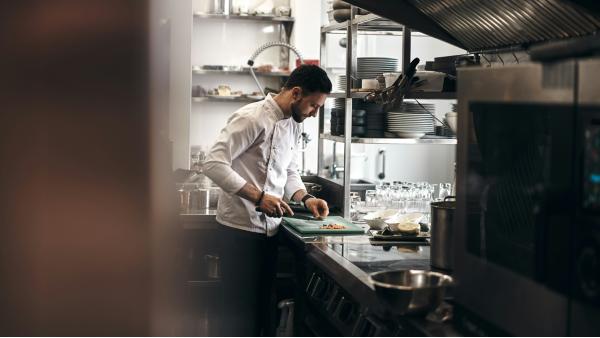
Bar food preparation often occurs in constrained spaces with limited equipment. Many pubs in Ireland prepare popular items such as toasted sandwiches, chips, chicken wings, and burgers in relatively small kitchen areas. This requires efficient workflows that prevent cross-contamination despite space limitations. Designated preparation areas for raw and ready-to-eat foods, clear systems for equipment use, and disciplined cleaning procedures all help maintain food safety standards. Staff must understand how to work safely within these constraints while maintaining service speed during busy periods.
ii. Managing Busy Service Periods
Peak service times create pressure on food preparation and can challenge food safety practices. Pubs experience busy periods during evenings, weekends, and sporting events when food orders surge alongside drink service. During these times, staff must maintain food safety standards despite time pressure and high workload. Pre-preparation of ingredients, efficient kitchen organisation, adequate staffing levels, and clear procedures all support safe food handling during busy periods. Training helps staff prioritise food safety even when working under pressure.
iii. Storage Limitations
Many pubs operate with limited refrigeration and dry storage space, requiring careful stock management. Storage systems must separate raw and ready-to-eat foods, maintain correct temperatures, allow proper air circulation, and implement first-in, first-out rotation. Limited space makes regular stock checks and tight inventory control essential. Pubs in Ireland benefit from ordering appropriate quantities based on realistic demand forecasts, preventing overstocking that challenges storage capacity and increases waste.
4. Allergen Management in Pubs
Allergen management has become increasingly important for food businesses in Ireland, with current legislation establishing clear requirements for allergen information provision.
i. Menu Allergen Information
Pubs must provide accurate allergen information for all food items served. This includes identifying the presence of the 14 major allergens including cereals containing gluten, crustaceans, eggs, fish, peanuts, soybeans, milk, nuts, celery, mustard, sesame seeds, sulphur dioxide, lupin, and molluscs. Menu allergen information can be provided through written menus, allergen matrices displayed prominently, or signposting staff who can provide allergen details. Whatever system is used, information must be accurate, current, and easily accessible to customers.
ii. Communication with Customers
Effective communication about allergens protects customers and demonstrates professional food safety management. Staff must be trained to respond appropriately when customers enquire about allergens, knowing where to find accurate information and understanding the importance of checking details rather than guessing. Clear procedures for communicating allergen requirements to kitchen staff ensure dishes are prepared safely. Documentation of allergen enquiries and any incidents provides records that support continuous improvement.
5. HACCP for Pubs
Implementing HACCP systems in pub environments requires practical, proportionate approaches that suit the operational realities of licensed premises.
i. Simplified HACCP Systems
Pubs in Ireland can implement HACCP using simplified systems appropriate to their operations. This involves identifying the food safety hazards relevant to menu items served, determining critical control points where control can prevent or eliminate hazards, establishing critical limits such as cooking temperatures and times, implementing monitoring procedures that staff can realistically maintain, and defining corrective actions when limits are not met. SafeHands helps pubs develop practical HACCP systems that work effectively within pub operational constraints.
ii. Daily Monitoring Procedures
Effective monitoring ensures HACCP systems function as intended. Daily procedures typically include checking and recording refrigeration temperatures morning and evening, monitoring cooking temperatures for high-risk foods, verifying reheating temperatures when applicable, conducting visual checks of food quality and storage practices, and maintaining cleaning schedules. Simple recording systems using temperature logs and checklists support consistent monitoring without creating excessive administrative burden.
6. Compliance and Best Practices
Maintaining compliance with current legislation while implementing best practices supports successful pub food operations across Ireland.
Environmental Health Officers inspect pubs serving food to verify compliance with food safety requirements. Inspections assess food handling practices, temperature control, cleaning and sanitation, staff training, and HACCP system implementation. Pubs benefit from maintaining comprehensive documentation including temperature logs, cleaning records, staff training certificates, supplier information, and HACCP procedures. SafeHands delivers pub food safety training onsite at your premises, providing practical instruction that staff can immediately apply. Training is customised to address your specific menu items and operational challenges.
To enquire about pub food safety training in Ireland, complete the enquiry form on the SafeHands website. Training depends on trainer and schedule availability. Payment options include Stripe, bank transfer following email invoice, and telephone payments, with all fees payable upfront.
7. FAQs
- What food safety training do pubs need in Ireland? Pubs in Ireland serving food require all food handlers to complete appropriate food safety training, typically HACCP Level 2, covering personal hygiene, safe food handling, allergen management, and HACCP principles tailored to pub operations.
- How is pub food safety training different from restaurant training? Pub food safety training addresses the specific challenges of licensed premises, including limited kitchen space, dual-purpose staff, busy service periods, and typical pub menu items, while covering the same fundamental food safety principles.
- How can I enquire about food safety training for my pub? Complete the enquiry form on the SafeHands website. Training depends on trainer and schedule availability.
- What payment methods are available? SafeHands accepts Stripe online payments, bank transfer (email invoice with bank details provided), and telephone payments. All fees are payable upfront.
- Is training delivered at our pub? Yes, all training is delivered onsite at your pub premises in Ireland, allowing staff to learn in their actual working environment with examples relevant to your specific operations.