
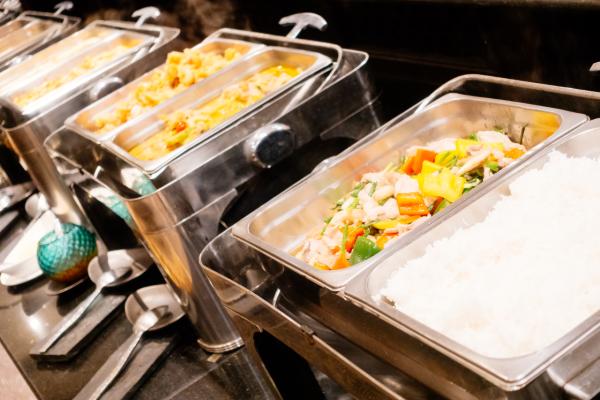
The Food Safety Authority of Ireland (FSAI) provides clear guidance on how cooked foods must be cooled in catering and food service businesses. Safe cooling is a legal requirement under Irish food law and is a key control measure within a HACCP-based food safety management system.
Failure to cool food correctly is a common cause of food poisoning and a frequent issue identified during Environmental Health Officer (EHO) inspections.
What Is the FSAI Guidance on Cooling Cooked Foods?
According to FSAI guidance, cooked food must be cooled:
- From 63°C to 10°C within 2 hours, and
- From 10°C to 5°C as quickly as possible thereafter
Food must pass rapidly through the temperature danger zone (5°C–63°C) to prevent the growth of harmful bacteria.
Leaving cooked food to cool naturally at room temperature is not acceptable in a food business.
Why Is Safe Cooling of Food Important?
Cooked food may still contain bacteria or bacterial spores after cooking. If food cools too slowly, bacteria such as Clostridium perfringens and Bacillus cereus can multiply to dangerous levels.
Reheating food later does not always destroy the toxins produced by these bacteria, meaning food can remain unsafe even if it is reheated thoroughly.
Which Foods Are High Risk During Cooling?
High-risk foods that require controlled cooling include:
- Cooked meat and poultry
- Soups, sauces, gravies, and stocks
- Stews, curries, and casseroles
- Cooked rice and pasta
- Cooked vegetables
Large volumes and dense foods cool more slowly and pose a higher food safety risk.
How Should Caterers Cool Food Safely?
Food businesses must use active cooling methods, such as:
- Dividing food into small portions
- Using shallow containers
- Placing food in a blast chiller
- Using ice baths for liquids and sauces
- Stirring food to release heat evenly
Food should never be cooled in deep containers or placed directly into refrigeration while still hot in large quantities.
Is Cooling a HACCP Critical Control Point?
Yes. In many catering operations, cooling is a Critical Control Point (CCP).
Under HACCP principles, food businesses must:
- Identify cooling as a hazard control step
- Set critical limits (time and temperature)
- Monitor cooling using a sanitised probe thermometer
- Keep documented temperature records
- Take corrective action if limits are not met
These records are essential during EHO inspections.
Common Cooling Failures Identified by Environmental Health Officers
EHOs frequently identify:
- Food left cooling overnight at room temperature
- No temperature checks during cooling
- Large volumes placed straight into fridges
- No documented cooling procedures
- Staff unaware of correct cooling requirements
These issues can lead to enforcement action, including improvement notices or closure orders.
How Should Cooled Food Be Stored and Reheated?
Once food has been cooled correctly, it must be:
- Stored at 5°C or below, and
- Reheated to a core temperature of at least 75°C before service
Food should only be reheated once.
Are Caterers Legally Required to Cool Food Safely?
Yes. Under Irish food law, food business operators must ensure that food placed on the market is safe to eat. This includes having validated and effective cooling procedures as part of a documented food safety management system based on HACCP principles.
Failure to do so can result in food poisoning incidents and legal action.
How SafeHands Can Help
SafeHands Health & Safety Solutions helps food businesses to:
- Develop and review HACCP systems
- Implement safe cooling procedures
- Train and certify staff in food safety best practices
- Prepare for Environmental Health inspections
If you are unsure whether your cooling procedures meet FSAI requirements, professional support can help protect both your customers and your business. Visit SafeHands.ie, call us on 01 7979836/ 0873823223 or email info@safehands.ie to discuss your training options.