
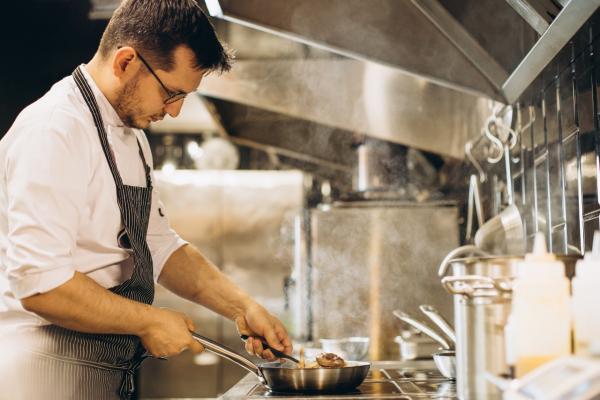
Hotel food operations present some of the most complex food safety challenges in the hospitality industry, with multiple kitchens, diverse service styles, and large-scale production all occurring under one roof. From breakfast buffets serving hundreds of guests to intimate fine dining experiences, room service operating around the clock to banqueting events for conferences, hotels must maintain consistently high food safety standards across every touchpoint. SafeHands Health & Safety Solutions specialises in developing tailored food safety management systems that address these unique operational complexities for hotels throughout Ireland.
Table of Contents
- Introduction to Food Safety Management in Hotels
- Developing Hotel Food Safety/HACCP Systems
- Managing Complex Hotel Operations
- Training and Communication
- Quality Assurance and Auditing
- Compliance and Certification
- FAQs
1. Introduction to Food Safety Management in Hotels
Hotels face unique food safety challenges that extend far beyond typical restaurant operations. SafeHands specialises in developing comprehensive food safety management systems for hotels across Ireland, addressing the complex requirements of multi-outlet hospitality operations.
i. Integrated Approach to Hotel Food Safety
Effective food safety management in hotels requires an integrated approach that encompasses all food service operations throughout the property. This holistic perspective ensures consistent standards whether food is prepared in the main kitchen, served in restaurants, delivered through room service, or presented at conference and events facilities. SafeHands works with hotels in Ireland to develop cohesive food safety systems that account for the interconnected nature of hotel food operations, ensuring hazards are identified and controlled effectively regardless of where food is prepared or served.
ii. Benefits of Effective Management Systems
Implementing robust food safety management systems delivers substantial benefits for hotel operations in Ireland. Beyond satisfying current legislation requirements, effective systems protect guest health and safety, safeguarding your reputation and preventing costly foodborne illness incidents. Strong food safety credentials support positive online reviews and guest recommendations, directly impacting occupancy rates and revenue. Efficient systems also streamline operations, reduce food waste, and improve staff competency, contributing to overall profitability.
2. Developing Hotel Food Safety/HACCP Systems
Food Safety and HACCP (Hazard Analysis and Critical Control Points) systems provide the foundation for effective food safety management in hotel environments.
i. Risk Assessment for Hotel Operations
Developing Food Safety/HACCP systems for hotels begins with comprehensive risk assessment that considers the full scope of food operations. This assessment identifies potential biological, chemical, and physical hazards at each stage of food handling, from delivery and storage through preparation, cooking, and service to guests. Hotels in Ireland must consider risks associated with high-risk foods including seafood, undercooked eggs, and meat products, temperature control throughout complex distribution networks, cross-contamination risks in shared kitchen spaces, allergen management across multiple menus, and food safety during banqueting and event catering.
ii. Critical Control Points in Hotels
Identifying critical control points (CCPs) is essential for effective HACCP implementation in hotel settings. CCPs represent stages where control can be applied to prevent, eliminate, or reduce food safety hazards to acceptable levels. Common CCPs in hotel operations across Ireland include cooking temperatures for various food types, cooling procedures for foods prepared in advance, hot holding temperatures for buffet service, cold storage temperatures throughout refrigeration systems, and reheating procedures for room service and banqueting. Each CCP requires specific monitoring procedures, critical limits, and corrective actions when limits are exceeded.
iii. Monitoring and Verification
Effective HACCP systems include robust monitoring and verification procedures. Monitoring involves regular checks of critical limits at CCPs, typically including temperature monitoring using calibrated thermometers, time recording for cooking and cooling processes, visual inspections for food quality and cross-contamination risks, and documentation of all checks performed. Verification activities ensure the HACCP system remains effective through regular review of monitoring records, periodic testing of equipment calibration, internal audits of procedures, and management review of overall system performance.
3. Managing Complex Hotel Operations
Hotels must coordinate food safety across multiple preparation areas, service points, and operational systems to maintain consistent standards.
i. Multiple Kitchens and Service Points
Hotels in Ireland often operate multiple kitchens and food service points, each requiring appropriate food safety controls. The main production kitchen, restaurant kitchens, banqueting facilities, room service preparation areas, and bar food preparation spaces all need coordinated management to maintain consistent standards. SafeHands helps hotels develop systems that account for food movement between preparation and service areas, ensuring food safety is maintained throughout complex distribution networks, including clear procedures for food transport and maintaining appropriate temperatures during distribution.
ii. Supplier Management
Effective supplier management forms a crucial component of hotel food safety systems. Hotels must ensure suppliers meet required food safety standards, delivering products that are safe, of appropriate quality, and correctly labelled. This involves establishing approved supplier lists based on food safety credentials, specifying requirements for product temperature on delivery, implementing goods receiving procedures including temperature checks and visual inspection, and maintaining records of supplier performance. Strong supplier relationships support food safety while ensuring efficient operations.
iii. Stock Control
Comprehensive stock control procedures help hotels in Ireland maintain food safety while minimising waste. First-in, first-out (FIFO) rotation ensures older stock is used before newer deliveries, reducing the risk of using out-of-date products. Appropriate storage conditions maintain food quality and safety, with correct temperature control, separation of raw and ready-to-eat foods, and protection from contamination. Regular stock checks identify products approaching use-by dates, allowing timely use or disposal.
4. Training and Communication
Effective training and communication systems ensure all staff understand their food safety responsibilities and implement procedures consistently.
i. Staff Training Requirements
Current legislation in Ireland requires all food handlers to receive appropriate food safety training. Hotels must ensure staff across all food service areas receive training appropriate to their roles, from kitchen staff preparing meals to restaurant servers handling food, housekeeping staff managing minibar items, and management personnel overseeing food safety systems. SafeHands delivers HACCP Level 2 training onsite at hotel premises across Ireland, providing practical, engaging instruction that staff can immediately apply in their daily work.
ii. Interdepartmental Communication
Effective communication between departments ensures food safety standards are maintained throughout guest experiences. Kitchen staff must communicate effectively with restaurant and banqueting teams regarding dishes, allergens, and timing. Restaurant staff need clear channels to relay guest dietary requirements and allergen concerns to the kitchen. Management teams require systems for sharing food safety information, incident reports, and corrective actions across all departments. Regular meetings and clear documentation support effective communication.
5. Quality Assurance and Auditing
Ongoing quality assurance and internal auditing ensure food safety systems remain effective and identify opportunities for continuous improvement.
i. Internal Audit Procedures
Regular internal audits verify that HACCP systems are being followed correctly and identify any gaps or weaknesses requiring attention. Audit procedures for hotels in Ireland should include review of monitoring records and documentation, observation of food handling practices across all service areas, inspection of storage facilities and temperature control equipment, assessment of staff knowledge and competency, and verification that corrective actions are implemented when problems are identified. Audit findings should be documented and reviewed by management to drive improvements.
ii. Continuous Improvement
Food safety management should be viewed as an ongoing process of continuous improvement rather than a static system. Hotels benefit from regularly reviewing and updating their HACCP systems based on audit findings, incident reports, changes in menu or operations, regulatory updates, and industry best practices. SafeHands provides ongoing support for hotels in Ireland, helping to refine and improve food safety systems over time.

6. Compliance and Certification
Maintaining compliance with food safety legislation protects both guests and business operations while demonstrating professional standards.
Environmental Health Officers conduct inspections of food businesses in Ireland to verify compliance with Food Safety Authority of Ireland (FSAI) requirements. Hotels must maintain comprehensive documentation of their HACCP systems, monitoring records, staff training, and corrective actions to demonstrate compliance during inspections. SafeHands helps hotels prepare for inspections and maintain the high standards required under current legislation. Documented, effective food safety management systems provide confidence to guests, protect business reputation, and support successful operations.
To enquire about food safety management systems and training for your hotel in Ireland, complete the enquiry form on the SafeHands website. Payment options include Stripe, bank transfer following email invoice, and telephone payments, with all fees payable upfront.
7. FAQs
- What is food safety management for hotels? Food safety management for hotels in Ireland involves implementing comprehensive HACCP systems that address the unique challenges of multi-outlet hospitality operations, ensuring consistent food safety standards across all service areas.
- How can I implement HACCP in my hotel? SafeHands provides customised HACCP system development, staff training, and ongoing support to help hotels in Ireland implement and maintain effective food safety management systems.
- How do I enquire about food safety management training? Complete the enquiry form on the SafeHands website. Training depends on trainer and schedule availability.
- What payment options are available? SafeHands accepts Stripe online payments, bank transfer (email invoice with bank details provided), and telephone payments. All fees are payable upfront.
- Is training delivered at our hotel? Yes, all training is delivered onsite at your hotel premises in Ireland, allowing staff to learn in their actual working environment.