
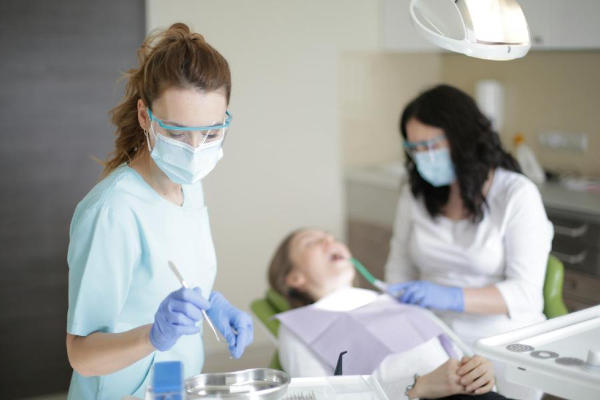
Dental practices deal with medical emergencies more often than many workplaces. Patients may experience fainting, allergic reactions, seizures, cardiac events, choking incidents, or medical complications during treatment.
For this reason, dental employers in Ireland must ensure that appropriate first aid arrangements, emergency procedures, and staff instruction are in place.
This guide explains first aid requirements for dental practices in Ireland, employer responsibilities, emergency preparedness, and why practical onsite instruction is essential.
Are Dental Practices Required to Have First Aid Arrangements?
Yes. Under Irish health and safety legislation, employers must ensure that adequate first aid arrangements are available in the workplace.
This includes:
- Appropriate first aid equipment
- Emergency procedures
- Trained personnel
- Access to emergency assistance
Dental practices present specific medical risks due to the nature of patient treatment and clinical procedures.
What Law Covers First Aid Requirements in Ireland?
First aid obligations are primarily covered by:
- Safety, Health and Welfare at Work Act 2005
- Safety, Health and Welfare at Work (General Application) Regulations 2007
Employers must ensure that emergency arrangements are appropriate to the hazards and risks within the practice.
Why Is First Aid Especially Important in Dental Practices?
Dental patients may already be anxious, medically vulnerable, or undergoing invasive procedures.
Medical emergencies can occur:
- In the dental chair
- During sedation procedures
- In waiting areas
- Following treatment
Dental staff must be able to respond quickly and effectively in situations where immediate action may be critical.
What Medical Emergencies Can Occur in Dental Practices?
Common medical emergencies include:
- Fainting (syncope)
- Allergic reactions and anaphylaxis
- Cardiac arrest
- Choking incidents
- Seizures
- Asthma attacks
- Diabetic emergencies
Practices should have clear procedures for managing these situations.
What First Aid Equipment Should a Dental Practice Have?
The exact requirements depend on the size and nature of the practice, but commonly include:
- Workplace first aid kits
- Disposable gloves and protective equipment
- Oxygen equipment
- Automated External Defibrillator (AED) access
- Emergency drugs (where appropriate)
Equipment should be checked regularly and kept readily accessible.
Do Dental Practices Need an AED?
While not specifically required in every practice by law, AEDs are increasingly considered best practice in healthcare environments.
Rapid access to defibrillation can significantly improve survival rates during cardiac arrest.
Dental practices should assess:
- Patient risk profile
- Distance from emergency medical services
- Number of staff and patients onsite
Do Dental Staff Need First Aid Training?
Yes. Staff should receive appropriate instruction to ensure they can respond effectively during a medical emergency.
Instruction should include:
- CPR and AED awareness
- Managing unconscious patients
- Choking response
- Emergency communication procedures
- Recovery position
- Recognising medical emergencies
All staff should understand their role during an emergency situation.
Is Online First Aid Training Enough for Dental Practices?
Online learning can provide useful theoretical knowledge, but it is not sufficient on its own for dental environments.
Dental emergencies require:
- Practical, hands-on response skills
- Realistic scenario-based instruction
- CPR practice
- Team coordination during emergencies
- Immediate feedback from qualified instructors
For this reason, onsite, face-to-face first aid instruction is considered best practice for dental practices, as it allows training to reflect the real clinical environment and the specific risks staff may encounter.
How Often Should Dental Staff Refresh First Aid Training?
There is no fixed legal timeframe, but dental practices should provide regular refresher instruction to ensure staff remain competent and confident in responding to medical emergencies.
Refresher instruction is particularly important when:
- New staff join the practice
- Equipment or procedures change
- Emergency procedures are updated
- Significant time has passed since previous instruction
What Should Emergency Procedures Include?
Dental practices should have clear emergency procedures covering:
- Raising the alarm
- Calling emergency services
- Roles and responsibilities of staff
- Access to emergency equipment
- Evacuation procedures where necessary
Staff should know exactly what to do during an emergency.
Common First Aid Mistakes in Dental Practices
Common issues include:
- Relying solely on online-only instruction
- Outdated emergency procedures
- Staff unsure of emergency roles
- Missing or unchecked equipment
- Lack of practical emergency drills
These gaps can affect emergency response and patient safety.
How SafeHands Can Help
SafeHands Health & Safety Solutions supports dental practices by:
- Delivering practical, onsite first aid instruction
- Providing CPR and emergency response training
- Tailoring instruction to dental practice environments
- Helping practices improve emergency preparedness
Practical, workplace-focused instruction helps ensure staff are prepared to respond confidently in real emergencies. Contact our team today to discuss your practice’s options.
Frequently Asked Questions
Do dental practices need first aid training in Ireland?
Dental employers must ensure staff are capable of responding appropriately to medical emergencies and that adequate first aid arrangements are in place.
Is CPR training important for dental staff?
Yes. CPR is a critical emergency response skill in dental environments where cardiac emergencies may occur.
Is online-only first aid training enough for dental practices?
No. Dental emergencies require practical, hands-on instruction and realistic emergency response practice.
Should dental practices have an AED?
While not always legally required, AED access is increasingly considered best practice in healthcare settings.