
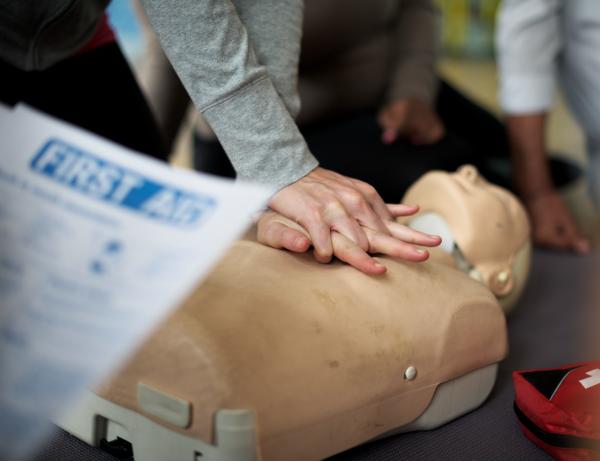
Workplace emergencies can occur without warning, making it essential for organisations to have trained staff who can respond effectively when every second counts. Emergency first aid at work training equips employees with the life-saving skills needed to manage critical situations before professional medical help arrives. SafeHands Health & Safety Solutions provides comprehensive emergency first aid training across Ireland, helping businesses meet their legal obligations while creating safer working environments for all employees.
Table of Contents
- Introduction to Emergency First Aid at Work
- Course Content and Duration
- Emergency First Aid vs Standard First Aid
- Implementing Emergency First Aid in Your Workplace
- Certification and Compliance
- Benefits for Irish Businesses
- FAQs
1. Introduction to Emergency First Aid at Work
Emergency first aid at work training provides employees with essential life-saving skills that can make a critical difference when seconds count. SafeHands delivers comprehensive emergency first aid training across Ireland, equipping workplace teams with the confidence and competence to respond effectively to medical emergencies.
i. Legal Requirements in Irish Workplaces
Current legislation in Ireland requires employers to make appropriate first aid provision for their workforce. The Safety, Health and Welfare at Work Act 2005 establishes clear obligations for organisations to protect employee health and safety, which includes ensuring adequate first aid arrangements are in place. The level of first aid provision depends on various factors including the nature of work activities, the number of employees, workplace hazards present, and the proximity to emergency medical services. For many organisations across Ireland, having employees trained in emergency first aid represents the minimum acceptable level of first aid provision.
ii. Who Needs Emergency First Aid Training
Emergency first aid training benefits virtually any workplace setting in Ireland. Offices, retail environments, warehouses, manufacturing facilities, hospitality venues, and construction sites all benefit from having trained first aiders available. Designated first aiders appointed by employers, health and safety representatives, managers and supervisors responsible for employee welfare, and any employee who wishes to develop valuable life-saving skills should all consider this training. The immediate availability of trained first aiders can significantly impact outcomes when workplace emergencies occur.
2. Course Content and Duration
The emergency first aid at work course focuses on practical, life-saving interventions that enable immediate response to critical situations.
i. Essential Skills Covered
Participants learn cardiopulmonary resuscitation (CPR) techniques for adults, proper use of automated external defibrillators (AEDs), choking management procedures including back blows and abdominal thrusts, severe bleeding control using direct pressure and elevation, and management of unconscious casualties including recovery position placement. The training emphasises practical application, ensuring participants can perform these critical skills confidently when faced with real emergencies.
ii. Training Format and Assessment
SafeHands delivers emergency first aid training through engaging, hands-on sessions conducted at a venue provided by the client or onsite at the client's premises in Ireland. Each session accommodates up to 10 participants to ensure everyone receives adequate hands-on practice and individual feedback from qualified instructors whose credentials are available on request. The course typically runs for one day, with practical skills training forming the majority of the programme. Assessment occurs throughout the training, with instructors observing participant competency in performing emergency procedures. Upon successful completion, participants receive a recognised certificate valid for two years.
3. Emergency First Aid vs Standard First Aid
Understanding the differences between emergency first aid and comprehensive first aid training helps organisations choose the appropriate course for their needs.
i. Key Differences
Emergency first aid at work differs from comprehensive first aid training in its focused scope and shorter duration. While comprehensive first aid covers a broader range of injuries and illnesses including fractures, burns, eye injuries, and various medical conditions, emergency first aid concentrates specifically on immediate life-threatening situations. The emergency course typically requires one day of training, whereas comprehensive first aid usually spans three days.
ii. Choosing the Right Course
Determining the appropriate level of first aid training depends on your workplace risk assessment in Ireland. Consider the nature of your work activities and the potential for serious injuries, the number of employees and their distribution across different locations, proximity to emergency medical services, and any previous history of workplace accidents. Lower-risk environments such as offices and shops often find emergency first aid sufficient, while higher-risk settings, including construction sites and manufacturing facilities typically require comprehensive first aid training.
4. Implementing Emergency First Aid in Your Workplace
Successful implementation requires careful planning to ensure adequate coverage and effective emergency response procedures.
i. Determining Number of First Aiders Required
Current legislation in Ireland does not specify exact numbers of first aiders required, instead taking a risk-based approach that considers each workplace's unique circumstances. As a general guideline, low-risk workplaces might consider at least one first aider per 50 employees, while higher-risk environments typically require more extensive first aid coverage. Consider shift patterns to ensure first aid cover across all working hours, the size and layout of your premises, and the nature of work being undertaken. It's advisable to train additional staff beyond the minimum requirement to account for absences and holidays.
ii. Emergency Response Protocols
Organisations should establish clear procedures for raising the alarm when emergencies occur, designate appropriate locations for first aid equipment and supplies, ensure all employees know how to access first aid assistance quickly, and establish protocols for contacting emergency services when required. Regular emergency drills help embed these procedures and identify any gaps in your emergency response arrangements.
5. Certification and Compliance
Maintaining valid certification ensures continuous compliance with current legislation while demonstrating commitment to workplace safety.
i. Certificate Validity
Upon successful completion of the emergency first aid at work course, participants receive a recognised certificate valid for two years. This certification demonstrates competency in emergency first aid procedures and satisfies employer obligations under current legislation in Ireland. The certificate is recognised by the Health and Safety Authority and accepted across various industries throughout the country.
ii. Refresher Training Requirements
Refresher training is recommended annually to maintain competency, even though certificates remain valid for two years. Regular practice helps ensure skills remain sharp and confidence remains high when emergencies occur. Refresher sessions also provide opportunities to update knowledge on any changes to first aid protocols or current legislation. SafeHands can arrange refresher training sessions delivered onsite at your premises, minimising disruption to your operations.
6. Benefits for Irish Businesses
Investing in emergency first aid training delivers numerous benefits for organisations across Ireland. Beyond fulfilling legal obligations, trained first aiders can provide immediate response to medical emergencies, potentially saving lives and reducing injury severity before professional help arrives. This capability reduces workplace accident impact and associated costs including compensation claims and lost productivity. Having trained first aiders demonstrates duty of care to employees, enhancing workplace morale and employee confidence. The skills learned benefit employees both at work and in their personal lives, representing a valuable investment in your team's capabilities.
To arrange emergency first aid at work training for your organisation in Ireland, complete the enquiry form on the SafeHands website. Training schedules depend on trainer and venue availability. Payment options include Stripe online payments, bank transfer following email invoice with bank details provided, and telephone payments, with all fees payable upfront.
7. FAQs
- What is emergency first aid at work training in Ireland? Emergency first aid at work training in Ireland is a focused course that teaches essential life-saving skills for immediate response to life-threatening emergencies in the workplace, including CPR, AED use, choking management, and severe bleeding control.
- How long does emergency first aid at work certification last? The certificate is valid for two years upon successful completion. However, annual refresher training is recommended to maintain competency and confidence in performing emergency procedures.
- How can I enquire about emergency first aid training for my workplace? You can complete the enquiry form on the SafeHands website. Training depends on trainer and schedule availability.
- What payment methods do you accept for emergency first aid courses? SafeHands accepts Stripe online payments, bank transfer (email invoice with bank details provided), and telephone payments. All fees are payable upfront.
- Is training delivered at our business premises? Yes, all training is conducted at a venue provided by the client or onsite at the client's premises in Ireland, allowing for practical, contextualised learning in your actual working environment.