
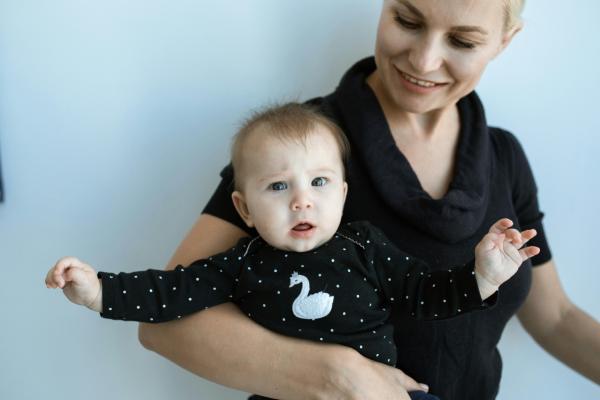
Working in childcare involves unique physical challenges that standard manual handling training simply doesn't address. Staff regularly lift children, work at floor level, and perform repetitive tasks that can lead to injury without proper technique. SafeHands Health & Safety Solutions delivers specialised manual handling training designed specifically for childcare settings across Ireland, protecting staff health while ensuring children receive safe, nurturing care.
- Introduction to Childcare Manual Handling
- Common Manual Handling Tasks
- Safe Manual Handling Techniques
- Preventing Musculoskeletal Injuries
- Child Safety Considerations
- Tusla Compliance and Best Practices
- Frequently Asked Questions
- Safeguard Your Childcare Team with Specialist Training
1. Introduction to Childcare Manual Handling
Childcare settings across Ireland present unique manual handling challenges that distinguish this sector from other industries. Staff regularly lift and carry children, work at floor level during play, bend repeatedly for nappy changes, and manage equipment designed for small people. SafeHands provides specialised manual handling training specifically developed for childcare environments, ensuring staff protect themselves while maintaining the nurturing, responsive care children require.
Health and safety legislation in Ireland mandates that all childcare staff engaged in manual handling must receive training in safe techniques. Unlike generic manual handling training, childcare-specific instruction addresses the particular demands of working with animate loads children who move unpredictably, resist handling, or require gentle support. This specialised approach acknowledges the dual priority of protecting staff health while ensuring child safety and dignity.
i. Unique Challenges in Childcare Settings
Childcare manual handling differs fundamentally from lifting inanimate objects. Children wriggle, lean, and shift their weight unexpectedly. They require emotional support during handling, meaning staff cannot focus solely on technique. Some children have additional needs requiring adapted approaches. Staff work in environments designed for children, meaning furniture, sinks, and changing tables may not be ergonomically optimal for adults.
The repetitive nature of childcare tasks compounds these challenges. Staff may lift children dozens of times daily during arrivals, nappy changes, meal times, and play activities. Floor-based play requires constant bending, kneeling, and working at low levels. Even relatively light children become significant loads when lifted repeatedly throughout shifts.
ii. Importance of Specialised Training
Generic manual handling training addresses lifting boxes and equipment, but fails to prepare childcare staff for their specific challenges. Children require different grip techniques, gentle handling, and constant communication during lifts. Training must address emotional aspects of handling, teaching staff to comfort anxious children while maintaining safe technique.
Specialised training also covers child development stages, recognising that techniques appropriate for infants differ from those used with toddlers or pre-schoolers. Understanding how children's increasing independence affects handling helps staff adjust approaches as children grow.
2. Common Manual Handling Tasks
Childcare staff perform numerous manual handling activities throughout their working days.
i. Lifting and Carrying Children
Direct child handling represents the most frequent manual handling task in childcare. Staff lift infants from cots, carry toddlers who resist walking, and support pre-schoolers during activities. Each lift requires assessing the child's mood and level of cooperation, communicating intentions to the child, achieving secure grips to ensure child safety, and maintaining awareness of surrounding hazards.
Training teaches progressive approaches: encouraging children to assist by holding onto staff, positioning children to make lifting easier, and recognising when children can safely walk rather than being carried. These strategies reduce unnecessary lifting while supporting child's development of independence.
ii. Moving Equipment and Furniture
Childcare settings include furniture scaled for children, such as low tables, small chairs, activity mats, and storage units. Staff regularly rearrange spaces for different activities, requiring the movement of this equipment. Training covers assessing equipment weight and stability, using appropriate lifting techniques despite awkward sizes, and employing trolleys or asking colleagues for assistance with heavy items.
iii. Nappy Changing Procedures
Nappy changing involves repeated bending, reaching, and supporting children on changing tables. Improper technique during these frequent activities contributes significantly to back problems among childcare staff. Training addresses maintaining neutral spine positions during changes, using changing table heights effectively, and supporting children safely while cleaning and changing.
Staff learn techniques for handling resistant children during changes, managing wriggling safely without excessive force, and positioning themselves to minimise back strain during the procedure.
iv. Playground Equipment
Outdoor play supervision sometimes requires staff to assist children on climbing equipment, retrieve children from difficult positions, or move outdoor play resources. Training covers safe approaches to assisting children with equipment, recognising when to encourage independent problem-solving rather than providing physical help, and techniques for managing outdoor equipment such as ride-on toys and climbing frames.
3. Safe Manual Handling Techniques
Childcare-specific techniques protect staff while ensuring children receive appropriate support.
i. Assessing Children's Needs
Before any lift, staff should assess whether lifting is necessary or whether encouraging the child to move independently would be developmentally appropriate, the child's level of cooperation and mood, any specific needs or sensitivities the child has, and the surrounding space and hazards. This assessment prevents unnecessary lifts and prepares staff for potential challenges.
ii. Safe Lifting Positions
When lifting children, staff learn to squat or kneel to reduce bending, hold children close to the body's centre of gravity, maintain a wide stance for stability, and avoid twisting while carrying. These fundamental principles adapt the standard manual handling technique to childcare contexts.
Training emphasises communicating with children during lifts, warning them before lifting, and encouraging cooperation. This communication reduces resistance and makes lifts safer for both parties.
iii. Using Equipment Aids
Where possible, equipment aids reduce manual handling demands. Training covers effective use of high chairs allowing children to climb with minimal lifting, step stools enabling children to reach sinks independently, and height-adjustable changing tables reducing bending. Understanding how to maximise the benefits of these aids reduces daily physical strain.
iv. Working at Low Levels
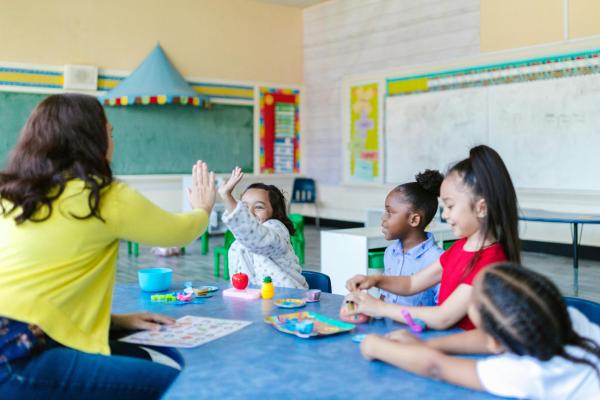
Floor-based play forms a significant component of childcare. Rather than repeatedly bending from standing, staff learn to kneel or sit at children's level, use small chairs or cushions to support comfortable positions, and change positions regularly to prevent stiffness. These approaches make extended floor time sustainable.
4. Preventing Musculoskeletal Injuries
Proactive injury prevention protects staff health and career longevity.
i. Common Injuries in Childcare
Childcare staff frequently experience lower back pain from lifting and bending, shoulder and neck problems from carrying children, knee problems from floor work, and wrist strain from supporting children during various activities. Many injuries develop gradually through repeated stress rather than single incidents.
Understanding injury mechanisms helps staff recognise early warning signs and seek advice before problems become serious. Training encourages staff to report discomfort early when interventions can prevent progression to serious injury.
ii. Prevention Strategies
Injury prevention involves rotating tasks to vary physical demands, taking micro-breaks to stretch and rest, maintaining personal physical fitness, and implementing good workplace organisation to reduce unnecessary reaching and bending. Environmental modifications, such as appropriately adjusted table heights and accessible storage, complement individual techniques.
5. Child Safety Considerations
Manual handling in childcare must always prioritise child safety and wellbeing.
i. Supporting Children Safely
Safe child support requires secure grips without excessive pressure, awareness of children's physical limitations, recognition of individual children's needs and preferences, and constant monitoring of children's comfort and security. Training emphasises that rushing increases risks to both staff and children.
ii. Maintaining Child Dignity
Handling should respect children's dignity and promote their developing independence. Staff learn to explain actions to children, encourage participation in care routines, respect children's communication about comfort, and recognise when promoting independence serves children better than providing physical help.
6. Tusla Compliance and Best Practices
Training supports compliance with Tusla requirements and early years best practice.
Tusla regulations require childcare settings to maintain safe practices protecting both children and staff. Documented manual handling training demonstrates compliance with safety obligations.
7. Frequently Asked Questions
What is childcare manual handling training?
Childcare manual handling training teaches staff safe techniques for lifting and carrying children, working at low levels, changing nappies, and managing childcare equipment. Training addresses the unique challenges of working with animate loads and children's developmental needs.
How is it different from general manual handling training?
Childcare training specifically addresses lifting children who move unpredictably, working in child-scaled environments, supporting children's dignity and independence, and balancing staff safety with nurturing care. Generic training doesn't cover these childcare-specific challenges.
How can I enquire about childcare manual handling training?
Contact SafeHands at 01 7979836 or 087 3823223, email info@safehands.ie, or complete our website enquiry form. We'll discuss your childcare setting's specific requirements and arrange convenient training dates for your staff team.
What payment methods are available?
SafeHands accepts payment via Stripe, bank transfer (we'll email an invoice with bank details), or payment by phone. Full payment is required upfront, with no staged payments or deposits.
Is training delivered at our childcare facility?
Yes, all training is delivered onsite at your childcare facility across Ireland. This ensures training addresses your specific environment, equipment, and the age ranges of children in your care, making learning immediately applicable to staff's daily work.
8. Safeguard Your Childcare Team with Specialist Training
Childcare manual handling training in Ireland protects staff health while ensuring safe, nurturing care for children. SafeHands delivers specialised training onsite at your childcare facility, accommodating up to 12 participants per three-hour session. Certification remains valid for three years.
Contact SafeHands today to enquire about childcare manual handling training. We accept payment via Stripe, bank transfer, or phone. Call 01 7979836 or 087 3823223, or email info@safehands.ie.