
Part of the SafeHands People & Patient Handling Employer's Guide Series
Moving, transferring and repositioning patients is a routine part of healthcare, but these activities can present significant risks to employees and the people receiving care.
From helping a patient out of bed to assisting someone with limited mobility, everyday handling tasks can result in injuries when the risks are not properly assessed and controlled.
For healthcare employers in Ireland, managing these hazards is an important part of protecting employees and ensuring patients receive safe, appropriate care.
This Employer's Guide examines common patient handling risks in healthcare settings, how injuries occur and the practical steps employers can take to prevent them.
What Are the Main Patient Handling Risks in Healthcare?
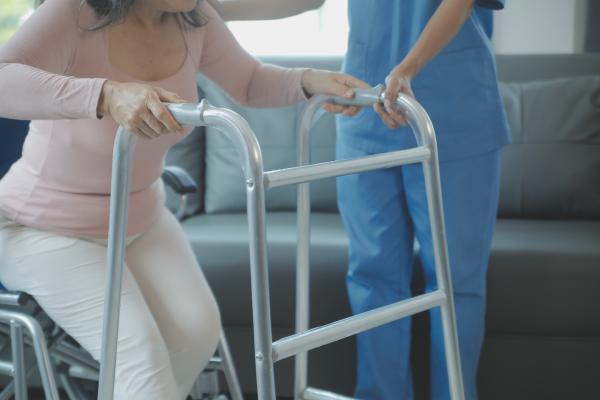
Patient handling involves activities such as assisting people to stand, walk, transfer between surfaces or change position in bed.
Unlike moving an inanimate object, handling a person introduces additional challenges. Patients may have limited mobility, experience pain, become unsteady or move unexpectedly.
Common hazards include:
- Musculoskeletal injuries: Strains and sprains affecting the back, shoulders, neck and other parts of the body.
- Falls and loss of balance: Patients or employees falling during transfers or assisted movement.
- Sudden movements: Patients losing balance, becoming distressed or moving unexpectedly.
- Unsafe handling methods: Attempting transfers or repositioning without suitable equipment or assistance.
- Unsuitable environments: Restricted spaces, obstacles, slippery floors or poorly positioned furniture.
- Inadequate assistance: Attempting tasks without sufficient staff or appropriate support.
These hazards can arise in hospitals, nursing homes, residential care facilities, disability services and other healthcare environments.
Why Are Patient Transfers Particularly Hazardous?
Transferring patients between beds, chairs, wheelchairs and other surfaces is a common healthcare activity.
However, transfers become hazardous when patients have reduced mobility, poor balance or difficulty supporting their own weight.
Employees may be exposed to injury if they attempt to lift or support more weight than they can safely manage.
For example, a patient who begins to lose balance during a transfer may instinctively grab an employee, creating a sudden and unexpected physical load.
Employers should ensure transfer procedures reflect the patient's assessed abilities and needs.
Where necessary, suitable transfer equipment and assistance from additional staff should be provided.
The safest transfer method depends on the individual patient, the task and the working environment.
What Are the Risks When Repositioning Patients in Bed?
Helping patients move or change position in bed can place considerable physical demands on healthcare employees.
Turning, repositioning or moving someone towards the head of a bed may involve awkward postures, reaching and significant physical effort.
Repeated tasks can increase the risk of musculoskeletal injuries, particularly where employees work in confined spaces or use unsuitable techniques.
Employers should consider measures such as:
- Assessing the patient's mobility and ability to assist.
- Using suitable slide sheets or other handling aids.
- Adjusting bed height to support safer working postures.
- Ensuring sufficient space around the bed.
- Providing the appropriate number of trained employees.
Handling procedures should be reviewed whenever a patient's condition or mobility changes.
Why Are Falls a Concern During Patient Handling?
Falls can cause serious injuries, particularly among older patients and people with reduced mobility.
A patient may lose balance while standing, transferring to a chair or walking with assistance.
Contributing factors include muscle weakness, dizziness, medication effects, unsuitable footwear and environmental obstacles.
Employers should ensure handling procedures account for individual fall risks and that appropriate equipment and assistance are available.
Staff must also understand how to respond when a patient becomes unsteady.
Attempting to catch or support the full weight of a falling patient can expose an employee to serious injury.
Training should help employees recognise these situations and follow appropriate procedures to minimise harm.
What Risks Arise from Patient Handling Equipment?
Mechanical hoists, standing aids, slide sheets and transfer devices can reduce the physical demands of patient handling when correctly selected and used.
However, equipment can introduce additional risks if it is unsuitable, poorly maintained or used incorrectly.
Potential hazards include:
- Equipment unsuitable for the patient's needs.
- Incorrect or incompatible sling selection.
- Improper positioning or attachment.
- Exceeding safe working load limits.
- Inadequate maintenance or inspection.
- Employees using equipment without appropriate training.
Employers must ensure equipment is suitable for its intended purpose, appropriately maintained and used by competent personnel.
Certain lifting equipment may also be subject to statutory examination and inspection requirements under Irish work equipment legislation.
Staff should follow the manufacturer's instructions and the patient's individual handling plan.
How Do Poor Working Postures and Staffing Pressures Increase Risks?
Healthcare employees may bend, twist, stretch or reach while assisting patients, particularly when working around beds, wheelchairs or other equipment.
These physical demands can increase when working space is restricted or tasks are repeated frequently.
Time pressure and inadequate staffing can create additional hazards, especially when employees attempt transfers or repositioning tasks without sufficient assistance.
Employers should ensure that handling procedures, equipment and staffing arrangements reflect the demands of the task.
Where a task cannot be completed safely, employees should have clear procedures for seeking assistance rather than improvising unsafe lifting methods.
Why Are Patient Handling Risk Assessments Important?
Under the Safety, Health and Welfare at Work Act 2005, employers must identify workplace hazards, assess the risks and implement appropriate protective measures.
The Safety, Health and Welfare at Work (General Application) Regulations 2007 also contain requirements relating to manual handling of loads.
In healthcare, risk assessments should consider:
- The patient's mobility, abilities and level of cooperation.
- The nature and frequency of handling activities.
- Physical demands on employees.
- Available space and environmental hazards.
- Suitable handling aids and equipment.
- Staffing and assistance requirements.
Assessments should inform safe handling procedures and be reviewed when circumstances change.
For more detailed guidance, see our People and Patient Handling Risk Assessments | Employer's Guide.
How Can Employers Reduce Patient Handling Injuries?
Preventing patient handling injuries requires a structured approach that prioritises safer working methods and appropriate equipment.
Important measures include:
Avoid unnecessary manual lifting. Eliminate hazardous manual handling where reasonably practicable and use suitable mechanical or other handling aids.
Assess individual patient needs. Handling procedures should reflect each patient's mobility, condition and ability to participate.
Provide appropriate equipment. Ensure suitable hoists, transfer aids, adjustable beds and other equipment are available where required.
Maintain safe working environments. Keep handling areas free from obstacles and provide sufficient space for employees and equipment.
Ensure adequate staffing. Handling tasks should be carried out with the assistance necessary to manage the identified risks.
Provide relevant training. Employees should understand safe handling procedures, equipment use and how to recognise unsafe situations.
Review incidents and changing needs. Near misses, injuries and changes in patient condition should prompt a review of handling arrangements.
These measures help protect employees while supporting safer, more comfortable patient care.
What Role Does Patient Handling Training Play?
Training is an important part of preventing injuries, but it cannot replace effective risk assessments, suitable equipment and safe working procedures.
People & Patient Handling training helps healthcare employees recognise hazards and develop practical skills in assisting, transferring and repositioning patients.
Training should reflect the tasks employees perform and the equipment used in their workplace.
Additional instruction may be necessary when new equipment, unfamiliar procedures or changing patient needs introduce risks not covered by previous training.
For more information, see our Patient Handling Training Requirements in Ireland | Employer's Guide.
How SafeHands Can Help
At SafeHands Health & Safety Solutions, we provide practical, onsite People & Patient Handling Training and Certification for healthcare organisations throughout Ireland.
Our face-to-face training helps employees recognise handling hazards, understand safer working practices and develop practical skills relevant to their roles.
Courses are delivered at your premises, allowing our trainers to relate the instruction to your working environment and the handling challenges faced by your team.
Need People & Patient Handling training for your healthcare team?
Contact SafeHands Health & Safety Solutions today for course details and a quote for onsite training and certification.
Website: www.safehands.ie
Email: info@safehands.ie
Telephone: 01 797 9836
Frequently Asked Questions
What are the most common patient handling injuries?
Musculoskeletal injuries affecting the back, shoulders and neck are important risks associated with patient handling. Falls and sudden movements can also cause injuries to patients and employees.
Can healthcare employees manually lift patients?
Hazardous manual lifting should be avoided where reasonably practicable. Employers must assess the task and provide appropriate equipment, assistance and safe procedures.
Should patient handling risk assessments be individual?
Yes. Handling arrangements should reflect each patient's mobility, abilities, needs and circumstances, particularly where assistance is required.
Can patient handling equipment eliminate injury risks?
Suitable equipment can reduce physical demands, but risks remain if it is incorrectly selected, maintained or used. Appropriate assessment and training are still necessary.
How often should patient handling training be refreshed?
There is no single statutory refresher interval applicable to every healthcare workplace. Employers should review training needs based on competence, workplace risks and changes in equipment or procedures.
Related SafeHands Employer's Guides